Oil & Gas
Dangote Refinery Puts Crude Price Before Supply Volume
Dangote Refinery maintains that costly domestic crude and extra transaction premiums can undermine local refining economics and make petroleum products more expensive.
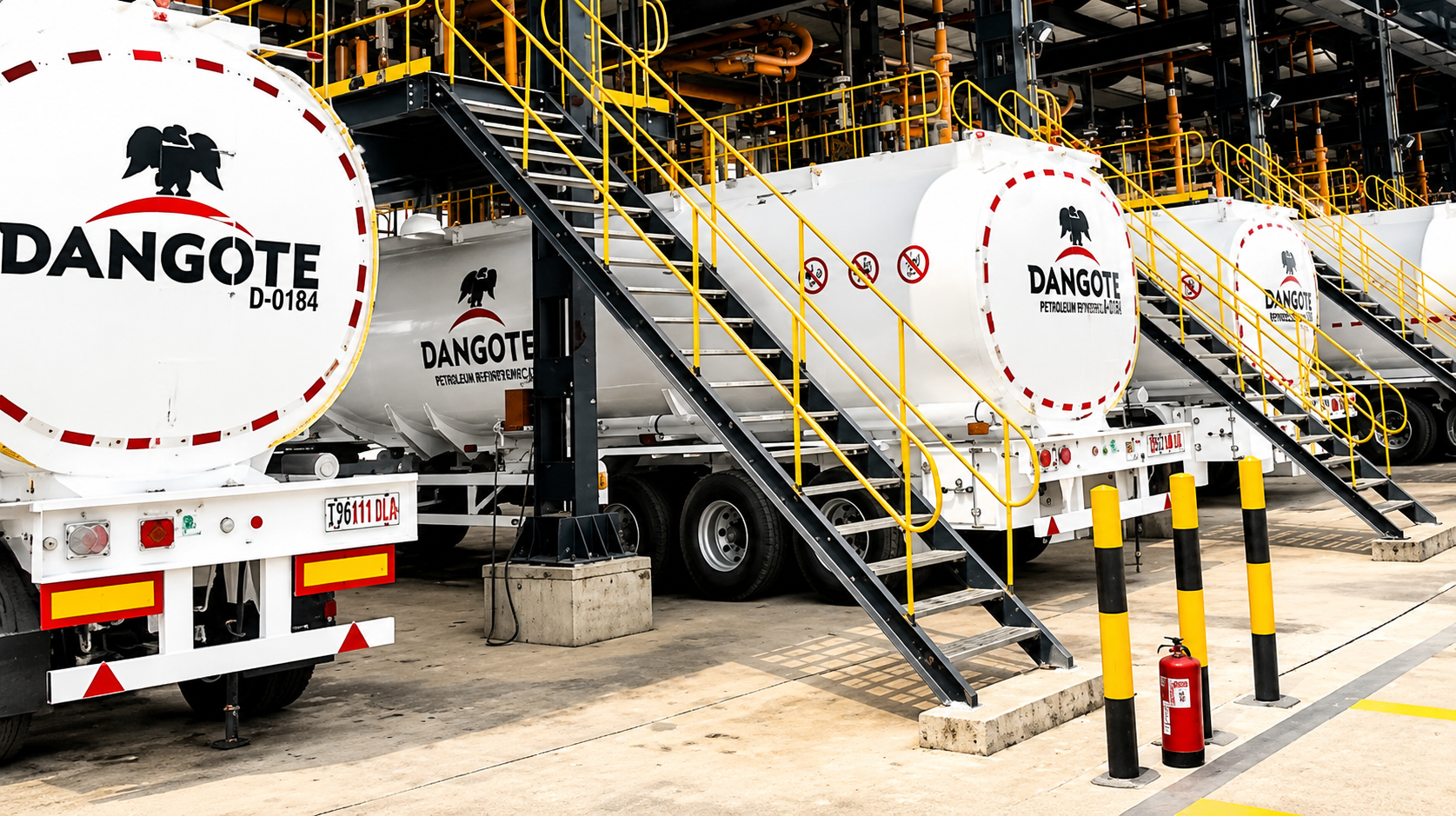
Dangote Petroleum Refinery and Petrochemicals has said the amount of Nigerian crude offered under the Domestic Crude Supply Obligation is less important than whether the crude can actually be bought in sufficient quantities and at commercially viable prices.
The refinery made the clarification after data from the Nigerian Upstream Petroleum Regulatory Commission indicated that it rejected 15.5 million barrels offered by local producers in the second quarter of 2026.
The company said it is committed to buying Nigerian crude and supporting the DCSO framework. It, however, said domestic refining can only remain viable when crude supply is adequate and prices allow the refinery to produce petroleum products at competitive costs.
Refinery says expensive crude hurts local fuel economics
The Group Vice President, Oil & Gas and Fertiliser, Dangote Industries Limited, Devakumar Edwin, said the issue is not simply how much crude is listed as available under the DCSO arrangement.
He said the refinery has had difficulty obtaining enough crude directly from domestic producers since the framework began. A significant portion of its allocated crude has therefore been sourced through International Oil Companies and other third parties.
Edwin said such transactions can create extra premiums and costs that make Nigerian crude more expensive than supplies available on the international market.
The refinery compares its crude purchasing costs with international market benchmarks published by agencies such as Platts and Argus. Where domestic crude prices rise above those benchmarks, the refinery said importing alternative supplies can become more competitive.
“Our position is straightforward. We are ready and willing to purchase Nigerian crude oil, provided it is available in sufficient volumes and at competitive market prices.
Like every refinery, we must procure crude that supports sustainable operations and value creation. This is essential to maintaining the economics of domestic refining and enabling us to deliver petroleum products to Nigerians at affordable and competitive prices,” Edwin said.
The position places the commercial terms of crude supply alongside the volume offered under the domestic supply system. The refinery said crude that is nominally allocated to it does not necessarily amount to crude that can be purchased on viable terms.
Edwin said the refinery has consistently raised the issue of insufficient domestic crude supply. More recently, he said, it has also encountered offers priced significantly above prevailing market benchmarks.
He said extra intermediaries can have a direct effect on the cost of crude acquired by the refinery.
“When additional layers of intermediaries introduce premiums, the cost of crude acquisition increases significantly, affecting the overall economics of domestic refining. Ultimately, higher crude costs translate into higher costs of refined petroleum products for the local market,” he said.
Dangote said its position does not amount to a rejection of Nigerian crude. The company said it remains committed to domestic supply and the objectives of the DCSO framework, provided crude is available in adequate volumes and offered at competitive market prices.
The clarification follows the NUPRC data on 15.5 million barrels of crude reportedly rejected by the refinery in the second quarter of 2026. Dangote's explanation places the focus on the terms under which crude is offered, including supply availability, pricing, premiums and transaction costs.
The company said sustainable domestic refining depends on securing crude that supports viable refinery operations. It also tied competitive crude acquisition costs to its ability to supply petroleum products to the Nigerian market at affordable and competitive prices.
Related Stories




Sign up for our newsletter.
Get the latest news, expert analysis, and industry insights delivered straight to your inbox. Join thousands of professionals shaping the future of energy.
By submitting my information, I agree to the Privacy Policy and Terms of Service.