Oil & Gas
Local Refineries Receive 53.7m Barrels of Crude in Q2
Nigerian producers offered 69.3 million barrels of crude and condensate to local refineries in Q2 2026, but 53.7 million barrels were actually received.
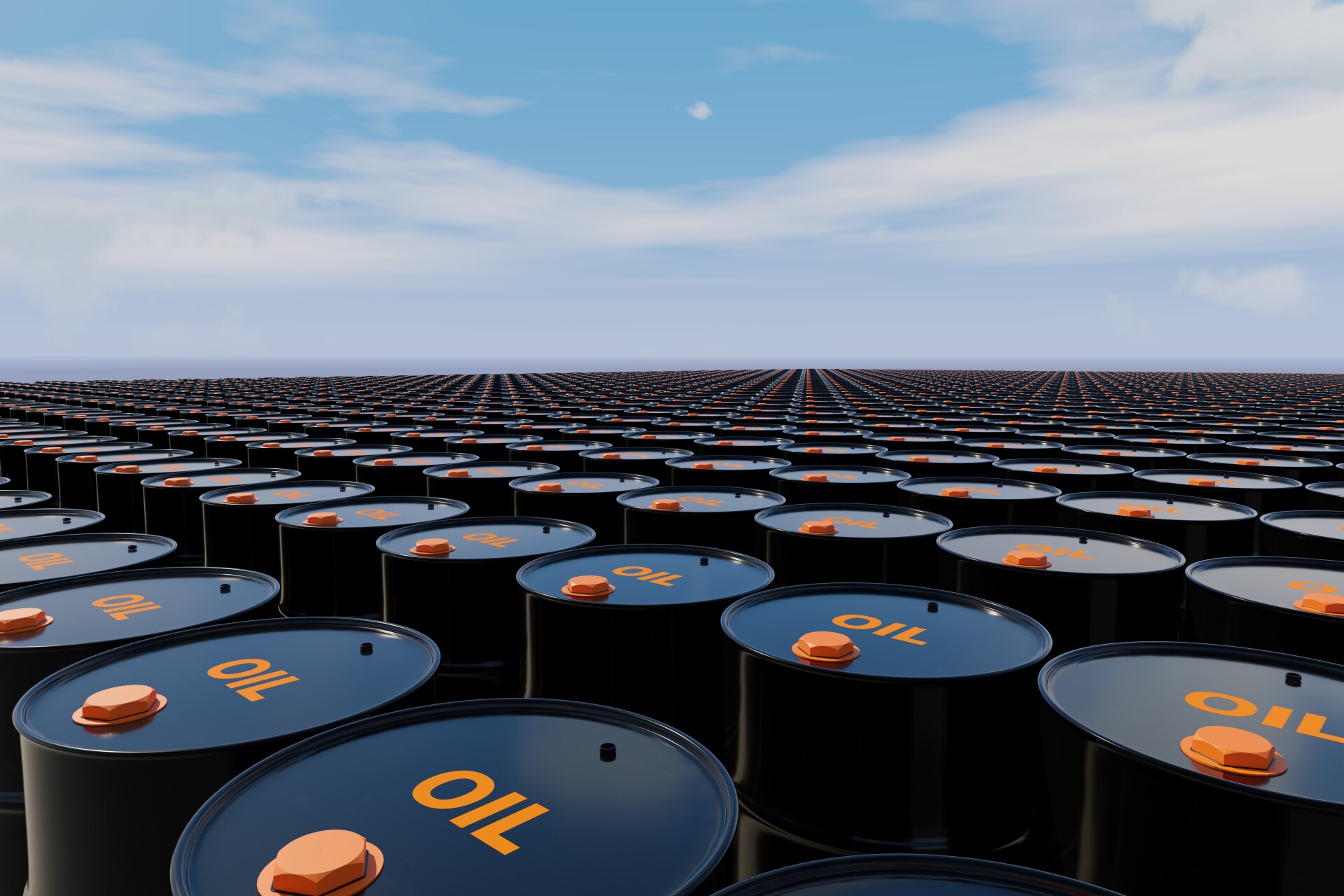
Local refineries received 53.7 million barrels of crude oil and condensate in the second quarter of 2026, leaving a 15.6 million-barrel gap between volumes producers offered and what refineries received.
The figures are contained in the Nigerian Upstream Petroleum Regulatory Commission’s Q2 2026 report on the Domestic Crude Supply Obligation, a requirement under Section 109 of the Petroleum Industry Act.
The quarter recorded overall delivery of 97.4 per cent against the volumes allocated to producers. But the monthly figures show that crude offered by producers did not always translate into crude received by refineries.
The difference is important because the DCSO operates under a “willing buyer, willing seller” system. Producers must make specified volumes available, but the final purchase depends on commercial agreements between producers and refiners.
April set the tone before May dip
In April, producers were allocated 18,127,638 barrels. They put 19,312,476 barrels on the table, but local refineries received 20,879,381 barrels.
The volume received was 114.9 per cent of the allocation, making April the best monthly result in the quarter.
The picture changed in May.
Producers had an allocated volume of 18,778,392 barrels and offered 23,187,893 barrels. Refineries, however, received 14,228,865 barrels.
That gave May a compliance rate of 75.8 per cent.
June then recorded another result above the allocated volume. Producers had an allocation of 18,172,638 barrels and offered 26,835,119 barrels.
Refineries received 18,606,026 barrels, representing 102.4 per cent performance for the month.
Across the three months, producers offered about 69.3 million barrels, compared with the 53.7 million barrels received by local refineries.
The NUPRC linked the Q2 performance to higher domestic oil output and long-term crude supply agreements backed by bankable Sales and Purchase Agreements between producers and Nigerian refiners.
The monthly engagement system also played a major part in the process. Each month, the Commission meets crude producers and licensed local refineries before producers receive specified volumes of crude and condensate to make available to domestic plants.
The DCSO was created under the Petroleum Industry Act to ensure local refineries have access to crude from Nigeria’s oil production.
The Q2 figures show that compliance is not based only on how much crude producers put forward. The volume eventually received by refineries also depends on the commercial side of each transaction.
Dangote Refinery accounted for much of the crude activity during the quarter.
Its Q2 requirement was 63 million barrels. Producers offered the refinery 68.1 million barrels, representing 98 per cent of all crude volumes offered to local plants during the period.
Dangote ultimately received 52.6 million barrels, equal to 78 per cent of the volume offered to it.
That leaves a gap of 15.5 million barrels between what producers offered Dangote and what it took during the quarter.
The figures therefore show a clear difference between crude availability and actual refinery receipts. Producers offered volumes above the requirements set for the quarter, but the final quantities received were lower in some cases.
The NUPRC said it will continue monitoring the DCSO regime under the 2021 Petroleum Industry Act framework as the Federal Government pursues energy self-reliance.
The Commission also said it will support higher production and maintain oversight of crude supplies to Nigerian refineries.
Related Stories

Sign up for our newsletter.
Get the latest news, expert analysis, and industry insights delivered straight to your inbox. Join thousands of professionals shaping the future of energy.
By submitting my information, I agree to the Privacy Policy and Terms of Service.