Power
Delta Plans 120MW Power Supply to Ease Grid Pressure
The state is turning to local electricity generation, natural gas and private investment to improve supply for homes and businesses.
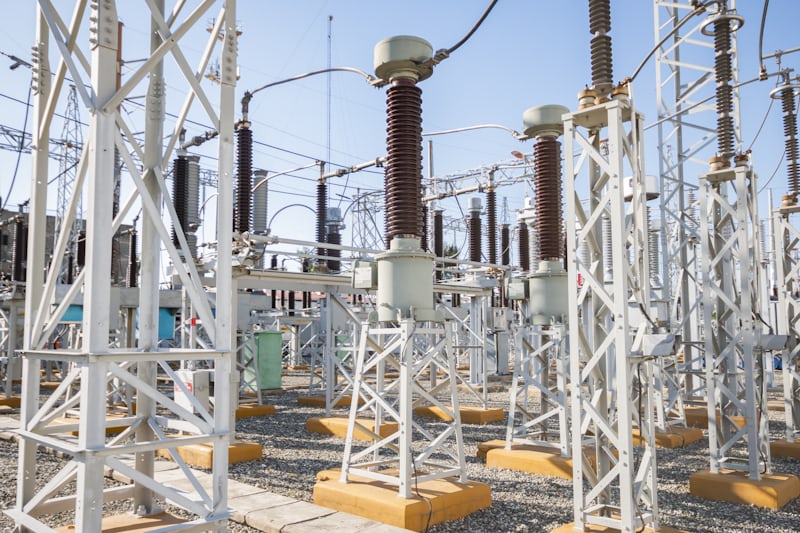
Delta State plans to generate an additional 120 megawatts of electricity through a partnership with Supply Power, as the government works to provide more power within the state and ease demand on the national grid.
The plan was disclosed by the State Commissioner for Works (Rural Roads) and Public Information, Charles Aniagwu, at a press conference in Asaba.
Aniagwu said the state was exploring other sources of electricity because inadequate supply was affecting businesses, households and communities. He said producing more electricity within Delta would also leave more power on the national grid for other users.
Gas seen as a major power source
The government is looking at Delta's natural gas resources as an important source for producing electricity. Aniagwu pointed to the Kwale Free Trade Zone, which is part of the state's special economic zone, as an opportunity for investors interested in power generation.
During the state's recent economic summit, prospective investors were taken to the zone to assess the availability of gas. The government sees the resource as a raw material that can support electricity generation.
The planned 120MW project is not the state's only attempt to produce electricity outside the national grid.
Aniagwu cited an 8.5MW Independent Power Plant behind the state secretariat in Asaba as an example. The plant has allowed the secretariat complex to operate independently of the national grid.
This has meant that electricity that would have been used by the secretariat can instead be available to other consumers on the national grid.
The commissioner said the planned partnership with Supply Power would increase the state's electricity capacity and give small and medium-sized businesses a more reliable supply.
He said the government was also taking action in areas traditionally handled by electricity distribution companies because poor power supply could no longer be allowed to hold back economic activity.
One of the projects is the extension of the electricity grid from Abraka towards the Ndokwa axis. The project is intended to connect more communities to electricity.
Government plans new power rules
The state's electricity plans also include work on regulation as more power producers and distribution networks emerge.
Aniagwu said the government was working with the Ministry of Energy and a committee responsible for developing a regulatory system for the state's power sector.
Under the proposed arrangement, an energy commission would regulate new electricity producers, set suitable tariffs and supervise distribution networks.
Aniagwu said proper regulation was needed as the state opens its electricity sector to private investors. He said consumers and investors both needed protection.
He also said decisions on electricity infrastructure, including whether to use overhead or underground lines, should depend on the conditions and safety needs of each location.
The commissioner warned that expanding electricity supply without proper regulation could expose residents to electrocution and other dangers.
He also stressed the need to protect power infrastructure and prevent consumers from facing unfair electricity prices.
The government's approach has also raised questions about the cost communities bear when electricity projects are developed.
Aniagwu criticised the practice of communities providing transformers and other power equipment, only for distribution companies to take over the facilities and later collect electricity bills without properly accounting for the communities' investments.
He said the state would continue supporting projects that bring electricity to communities.
The government believes better electricity supply can help businesses operate, create jobs and reduce social problems linked to unemployment and idleness.
Related Stories

Sign up for our newsletter.
Get the latest news, expert analysis, and industry insights delivered straight to your inbox. Join thousands of professionals shaping the future of energy.
By submitting my information, I agree to the Privacy Policy and Terms of Service.