Oil & Gas
Surge in Nigeria’s Domestic Gas Demand Drives NUPRC, NLNG Expansion Plans
Nigeria is accelerating domestic gas supply reforms as regulators and producers respond to rising demand, with NLNG committing all LPG output locally and new capacity expansions expected to reshape the sector.
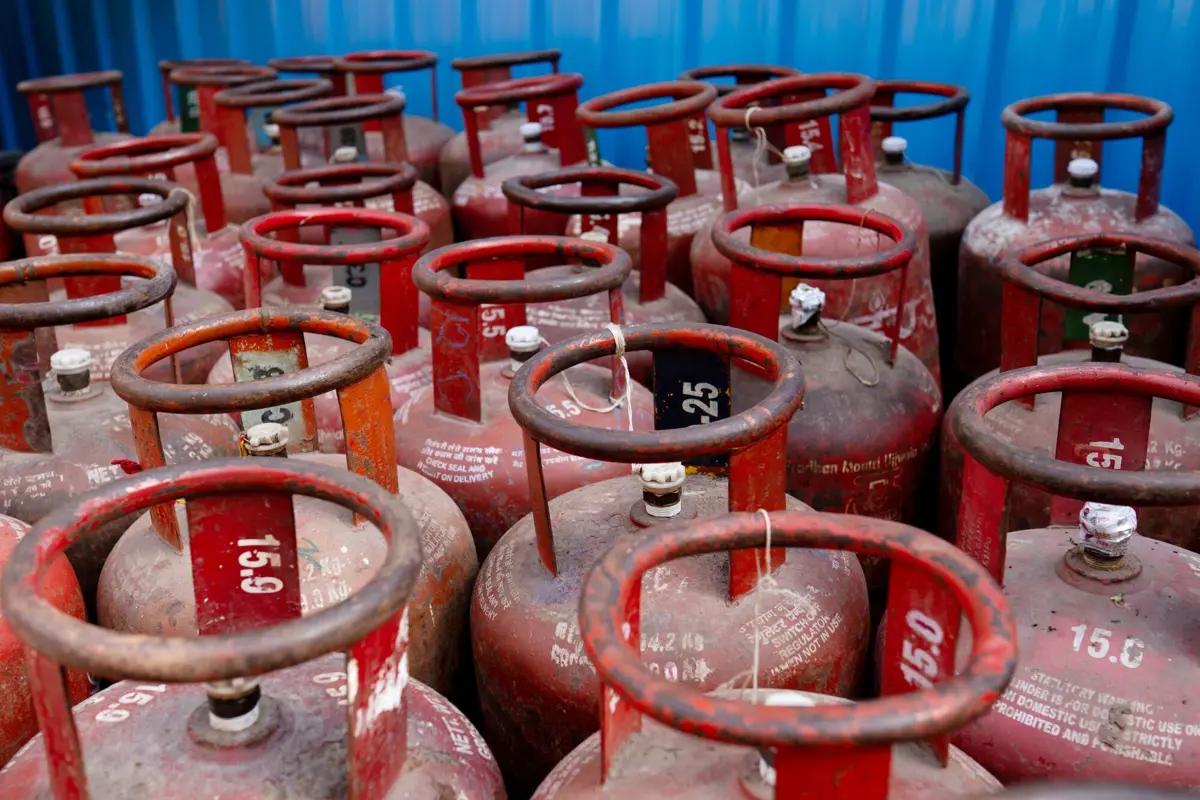
Nigeria’s gas sector is undergoing a significant shift as the Nigerian Upstream Petroleum Regulatory Commission and Nigeria LNG Limited intensify efforts to expand domestic supply, responding to rising local demand that has already prompted NLNG to dedicate 100 per cent of its liquefied petroleum gas output to the home market.
The development signals a growing rebalancing of Nigeria’s gas priorities, with domestic consumption increasingly taking centre stage in national energy planning.
The Commission Chief Executive of the Nigerian Upstream Petroleum Regulatory Commission, Oritsemeyiwa Eyesan, said the regulator is accelerating reforms designed to support the Federal Government’s gas expansion agenda, particularly through improved domestic utilisation and investment facilitation.
Speaking during a courtesy visit by the Managing Director of Nigeria LNG Limited, Adeleye Falade, Eyesan said regulatory changes introduced since December were aimed at aligning operations with the Petroleum Industry Act and removing long-standing bottlenecks in the upstream sector.
According to her, the commission is repositioning itself as a business enabler, with structured monthly engagements introduced to resolve industry challenges before they escalate.
“We are deliberately repositioning the Commission as a business enabler. Through our monthly stakeholder engagements, we X-ray industry performance and resolve issues proactively,” she said.
She linked recent improvements in investor confidence to government responsiveness, noting that this shift is beginning to translate into increased final investment decisions across the sector.
Eyesan also emphasised that Nigeria’s “Decade of Gas” initiative is no longer aspirational but operational, with tangible impacts already visible in domestic supply expansion and infrastructure development.
“The Decade of Gas is not aspirational; it is a practical framework for expanding domestic utilisation while strengthening export capacity,” she stated.
However, she cautioned that government efforts must be matched by stronger compliance and investment discipline from industry players if the sector is to achieve its full potential.
“As government continues to be responsive, operators must demonstrate reciprocity through performance, compliance, and investment discipline,” she added.
On the supply side, Nigeria LNG Limited said rising domestic demand for cooking gas has fundamentally altered its market orientation.
Falade disclosed that the company now channels its entire liquefied petroleum gas output to the Nigerian market, a move driven not by production constraints but by surging local consumption.
“Today, 100 per cent of our LPG production is dedicated to the domestic market, not due to reduced output, but because demand has expanded significantly,” he said.
The shift marks a major departure from NLNG’s traditional export-heavy model and reflects growing pressure to stabilise domestic supply amid rising energy consumption.
Falade described the decision as a strategic intervention aimed at deepening gas penetration and supporting Nigeria’s transition toward cleaner household energy.
He further expressed optimism about future capacity growth, pointing to the ongoing Train 7 expansion project as a key driver of increased output.
“Train 7, expected to come on stream next year, will increase our production capacity by about 35 per cent, positioning us to scale both domestic supply and export volumes,” he said.
Once completed, the project is expected to significantly expand Nigeria’s liquefied natural gas production base, easing supply constraints and strengthening the country’s position in global gas markets.
The renewed focus on domestic gas comes as policymakers increasingly view natural gas as a transitional fuel capable of supporting economic growth, improving energy access, and reducing reliance on more expensive and carbon-intensive alternatives.
Related Stories



Sign up for our newsletter.
Get the latest news, expert analysis, and industry insights delivered straight to your inbox. Join thousands of professionals shaping the future of energy.
By submitting my information, I agree to the Privacy Policy and Terms of Service.
