Renewables |Oil & Gas
Telecom Towers in Africa are Turning Solar as Diesel Prices Climb Higher
Rising diesel costs are pushing Africa’s telecom industry toward solar-powered towers, improving reliability, cutting expenses, and expanding connectivity in underserved regions.
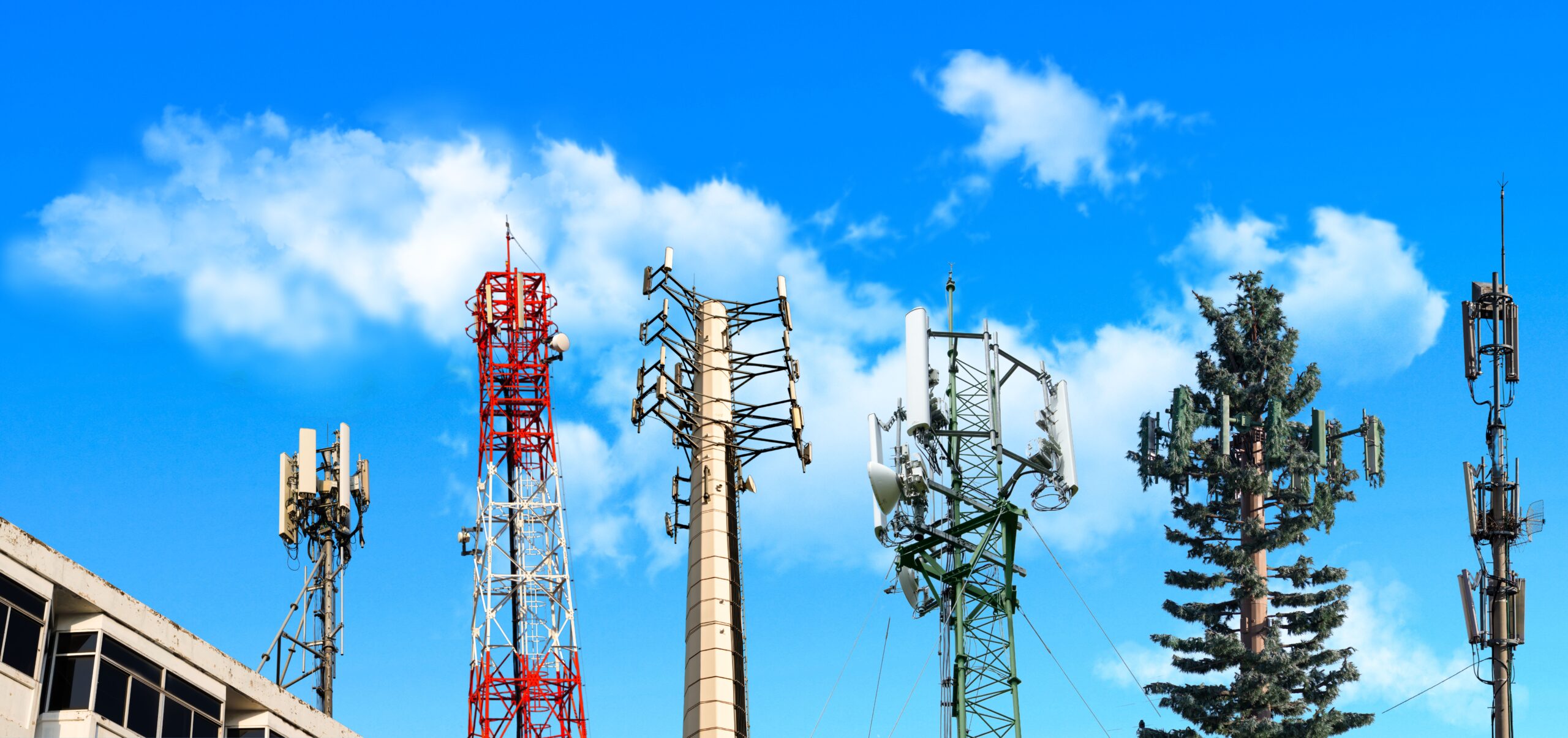
The rise of diesel prices amid turmoil in the Middle East is speeding the move towards solar energy by telecom operators that own thousands of towers throughout Africa.
Approximately 500,000 towers have become the key infrastructure powering digital connections on the continent. Many of those towers rely on diesel-powered energy, although the cost of fuel has become an issue lately.
New concerns are emerging in the wake of the crisis in Iran. It has disrupted fuel prices in the global market, pushing the price of diesel to new levels. As a result, many African countries that depend on foreign supplies have started taking actions to address potential risks.
"Diesel is not cheap, but the situation that developed in recent months highlights even further how important solar becomes," said Lande Abudu from the GSMA.
Solar-powered telecom towers have been in use for some time. While environmental issues are one of the factors that prompted the shift towards renewable energy, the recent increase in fuel costs may speed the process.
Unlike traditional towers that depend on diesel generators, the modern systems use solar panels combined with battery storage. This allows towers to operate round-the-clock without interruption even when darkness arrives.
A number of companies have already switched to hybrid systems using solar power, batteries and a little diesel. There are plans to go completely solar in the future.
The switch to solar has been gaining traction across several African countries. For instance, in Kenya, the operator Atlas Tower Kenya plans to invest $52.5 million into installing 300 solar-powered towers.
The system will be used by several key players, including Safaricom, Airtel Africa and Telkom Kenya. The company reports that 80% of its existing towers already run on solar power.
However, despite the efforts that have been undertaken, experts believe that there is still plenty to do to switch all telecom towers to solar. Energy costs are an issue that should not be underestimated. In some cases, the share of energy-related expenses makes up as much as 60% of the total budget.
Fuel, especially diesel, has become expensive and hard to obtain. Besides price, there are additional issues, such as fuel theft, that make running telecom towers more complicated. Large operators feel the strain as well. Thus, Vodacom Africa estimated energy-related costs at $300 million last year. Rising prices of electricity and diesel played the key role in the situation in countries, such as South Africa, Tanzania and Mozambique.
The situation in Nigeria became especially complicated following the removal of subsidies for fuel prices. In less than a year after the action, diesel prices doubled. Now, operators in the country spend almost $400 million annually on fuel costs, with prices rising in tandem with the world market.
Operators have already started addressing the challenges, boosting investment into clean energy. Companies like iSAT Africa are increasing the number of solar-based towers. Major telecom players, such as MTN Group, Airtel Africa and Orange are implementing hybrid systems on a larger scale.
Initial results confirm the effectiveness of this approach. MTN claims that switching to solar in its operations in South Sudan helped to cut down fuel costs by nearly 30%. On the other hand, Airtel Africa was able to save more than 50% of diesel in select locations in Zambia and DRC.
Besides reducing expenses, renewables are helping to avoid downtime. Before the implementation of solar-powered systems, network outages in certain regions due to fuel shortages and failure of diesel generators had affected millions of users.
Such interruptions had negative consequences for mobile banking services, critical for people in Africa, as well as emergency services. Thanks to renewable energy, this risk has diminished considerably because there is no need to worry about fuel supply.
Another factor that has become apparent during the past years is the ability to reach underserved populations. According to the GSMA, around 65% of people who might enjoy mobile internet lack connections. Solar-powered towers may solve this problem.
In addition, telecom companies can leverage the potential of solar towers to deliver energy. In Nigeria, regulators plan to encourage operators to become anchor customers of solar mini-grids that will provide electricity not only for communication devices but also for nearby communities.
"As an anchor customer of solar mini-grid, a mobile network operator can help bring electricity access to local communities," Nigerian Communications Commission Chairman Aminu Maida says.
For people living in the region, the impact of such measures may prove considerable. Residents of rural Kenya are already reporting an improvement in mobile connectivity due to the transition to solar-powered towers. They say that mobile banking, learning platforms and telemedicine services are now available.
On the whole, the shift may indicate the change in priorities in Africa's telecom industry. Apart from environmental reasons, the desire to achieve cost efficiency and minimize risks is playing a key role here.
The situation with global fuel markets is likely to contribute further to making the economic case stronger for switching towers to solar.
Related Stories

Sign up for our newsletter.
Get the latest news, expert analysis, and industry insights delivered straight to your inbox. Join thousands of professionals shaping the future of energy.
By submitting my information, I agree to the Privacy Policy and Terms of Service.
