Oil & Gas
Egypt Targets Faster Gas Exploration, Expands Supply by 2027
Cairo moves to attract foreign investors, clear arrears, and widen domestic gas access amid regional energy uncertainties.
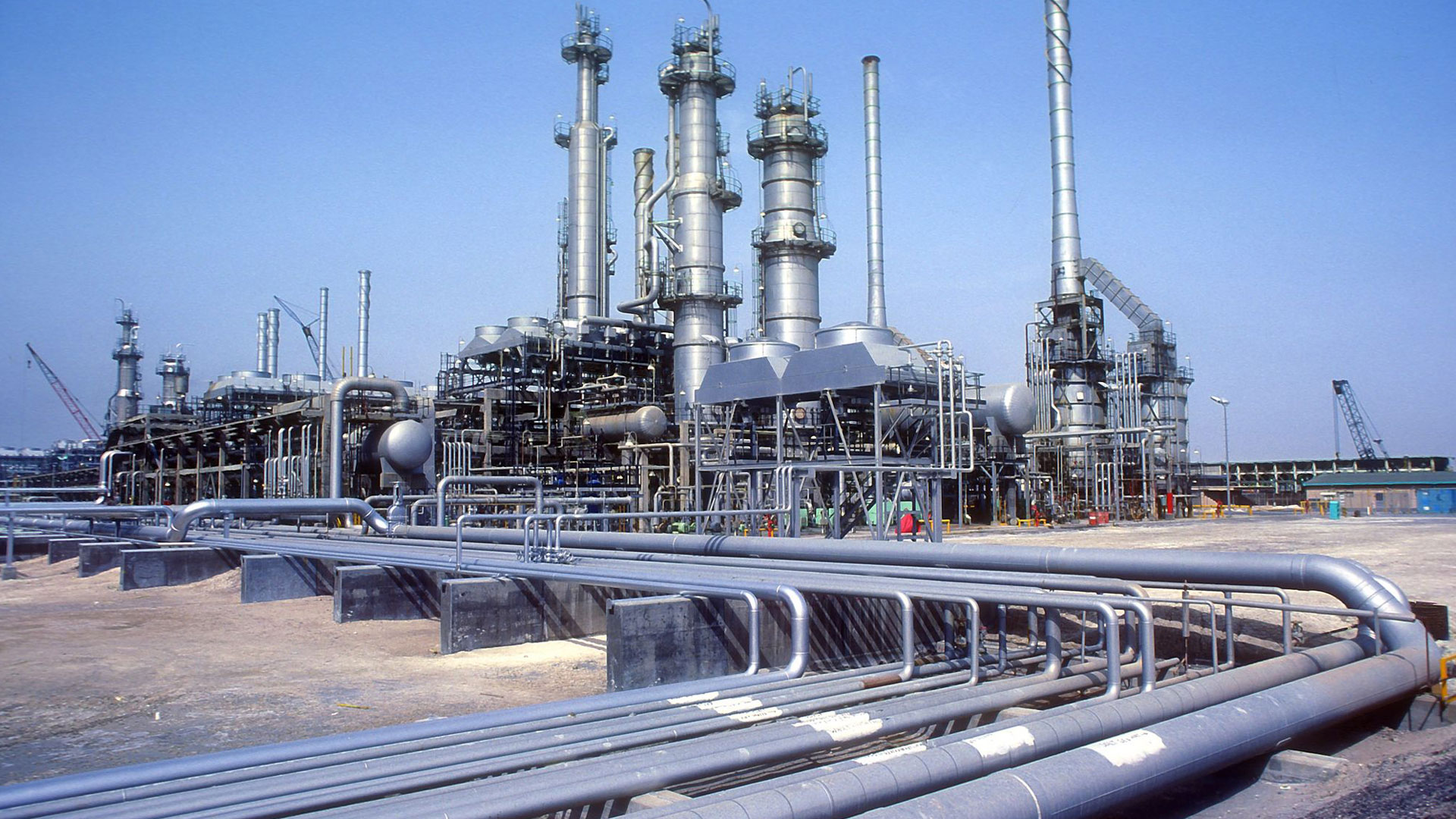
Egypt is ramping up efforts to boost natural gas exploration and expand domestic supply, with plans to connect 800,000 households to its gas network by 2027 as part of a broader energy strategy.
The Minister of Petroleum and Mineral Resources, Karim Badawi, announced that the government had settled outstanding arrears owed to foreign energy partners, following directives from President Abdel Fattah Al-Sisi. The move is aimed at rebuilding investor confidence and increasing exploration and production activities.
The announcement was made during the general assembly of the Egyptian Natural Gas Holding Company, where officials reviewed the 2026–27 budget and outlined plans to revive domestic gas output. Authorities said the decision sends a positive signal to international oil companies at a time when Egypt is seeking to strengthen its position in the energy market.
The government plans to intensify exploration campaigns while introducing more flexible commercial models to attract new investments into the sector. Under its 2026–27 strategy, the Egyptian Natural Gas Holding Company will drill 17 exploration wells and bring 51 new production wells on stream, including projects at West Denis-1 and Sirius.
In addition, Egypt will begin the first phase of a seismic survey programme in the Eastern Mediterranean in the second half of the year to identify potential new reserves in a region that has become a key gas hub.
On the domestic front, the government is expanding its natural gas distribution network. About 385,000 homes have already been connected in the first half of the current fiscal year, with a target of reaching 800,000 households by 2026–27.
The plan also includes extending gas access to 841 villages under the “Decent Life” initiative, a programme designed to improve infrastructure in rural areas. So far, 675 villages have been connected.
The developments come amid rising geopolitical tensions in the Middle East, including concerns around the Strait of Hormuz, a major global oil transit route. These pressures have affected energy supply chains and increased shipping and insurance costs, adding urgency to Egypt’s push for greater energy security.
Related Stories

Sign up for our newsletter.
Get the latest news, expert analysis, and industry insights delivered straight to your inbox. Join thousands of professionals shaping the future of energy.
By submitting my information, I agree to the Privacy Policy and Terms of Service.