Oil & Gas
Egypt to Channel Cypriot Gas to Europe in QatarEnergy Deal
Egypt, QatarEnergy and ExxonMobil have agreed to explore a route that would send Cypriot gas through Egyptian facilities for export to Europe.
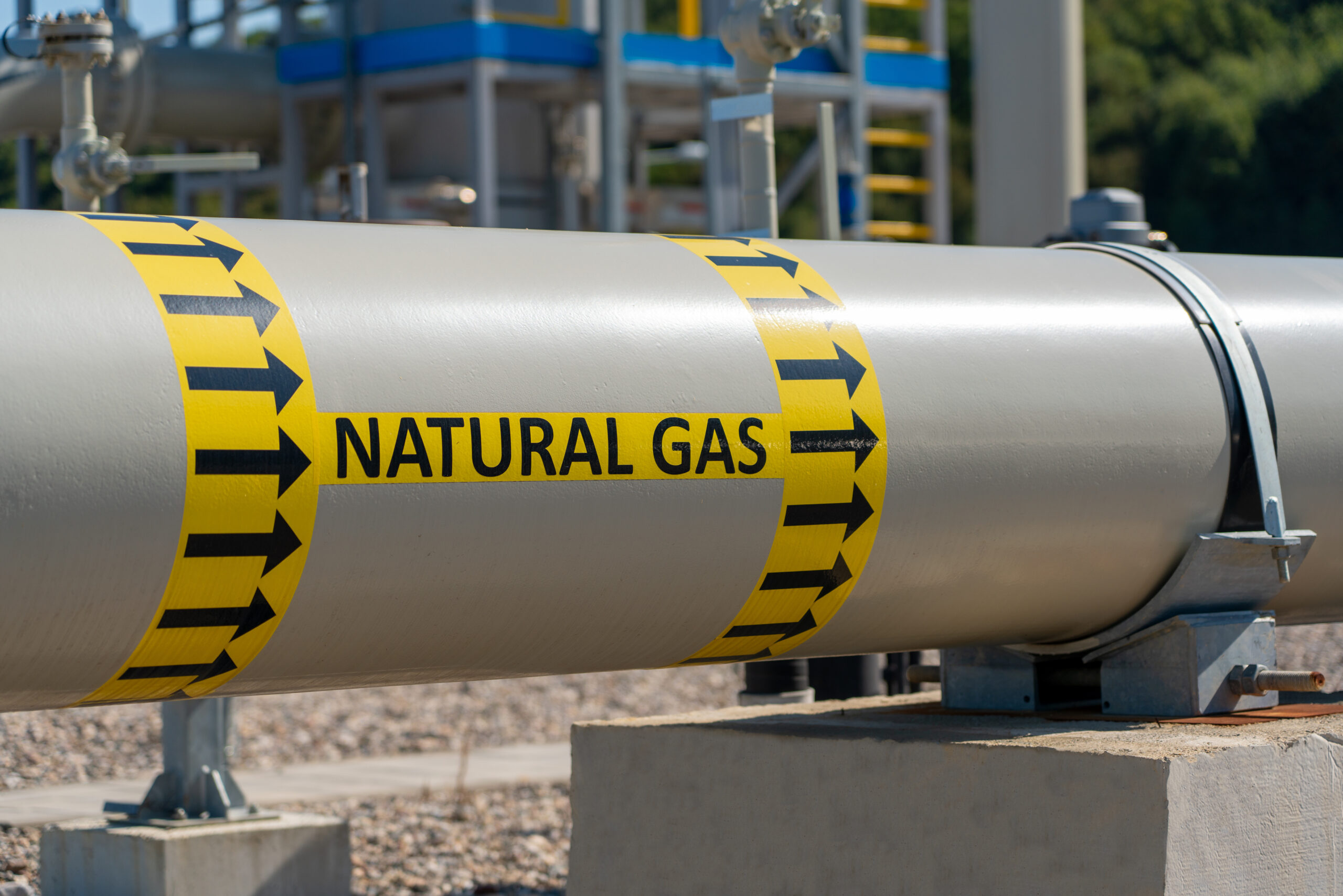
QatarEnergy, ExxonMobil and Egypt have signed an agreement that could see natural gas discovered offshore Cyprus routed through Egyptian liquefaction plants before being exported to Europe.
The Memorandum of Understanding places Egypt at the centre of an emerging Eastern Mediterranean gas corridor, with its existing infrastructure expected to handle processing and export once production plans are advanced.
Cyprus has no liquefaction facilities of its own, so gas from its offshore fields would need to be transported underwater to Egypt, where it can be liquefied and shipped onward to international markets.
The agreement, signed by Egyptian petroleum minister Karim Badawi, is designed to examine future development opportunities and the commercial framework for using Egypt’s gas network. QatarEnergy said the arrangement would support both domestic and export needs while creating room for broader regional cooperation.
The deal also builds on Egypt’s growing role in Cyprus’s gas strategy. In April, partners in the Aphrodite field signed a 15-year agreement to sell all recoverable gas from the field to the Egyptian Natural Gas Holding Company, with an option to extend the arrangement for another five years.
That move, together with the latest accord, strengthens Egypt’s position as the main gateway for Cypriot gas exports. It also reinforces QatarEnergy’s partnership with ExxonMobil in Cyprus, where the two companies are already working together in Block 10.
Block 10 contains the Glaucus discovery, made in 2019 and estimated to hold about 3.7 trillion cubic feet of gas. A second discovery, Pegasus, was identified in 2025, and both fields were declared commercially viable in March, with combined reserves of around 7 trillion cubic feet.
QatarEnergy chief executive Saad Sherida Al Kaabi described the deal as an important step in deepening energy cooperation across the Eastern Mediterranean.
For Europe, the plan adds another possible source of gas at a time when the region continues to seek alternatives to Russian supply after the disruption caused by the war in Ukraine. While Cypriot gas is not expected to transform Europe’s energy balance on its own, it could still provide a valuable additional supply route.
The project remains at an early stage. No final investment decision has been taken, and key issues such as infrastructure links and commercial terms still need to be settled.
If development stays on track, Cyprus could record its first gas exports by 2028, opening a new export corridor to Europe through Egypt.
Related Stories
Sign up for our newsletter.
Get the latest news, expert analysis, and industry insights delivered straight to your inbox. Join thousands of professionals shaping the future of energy.
By submitting my information, I agree to the Privacy Policy and Terms of Service.