Oil & Gas
Eskom Cuts Diesel Costs by 84% as Power Supply Improves
Improved power station performance has helped Eskom lower operating costs, cut fuel use, and keep electricity supply steady during South Africa's winter season.
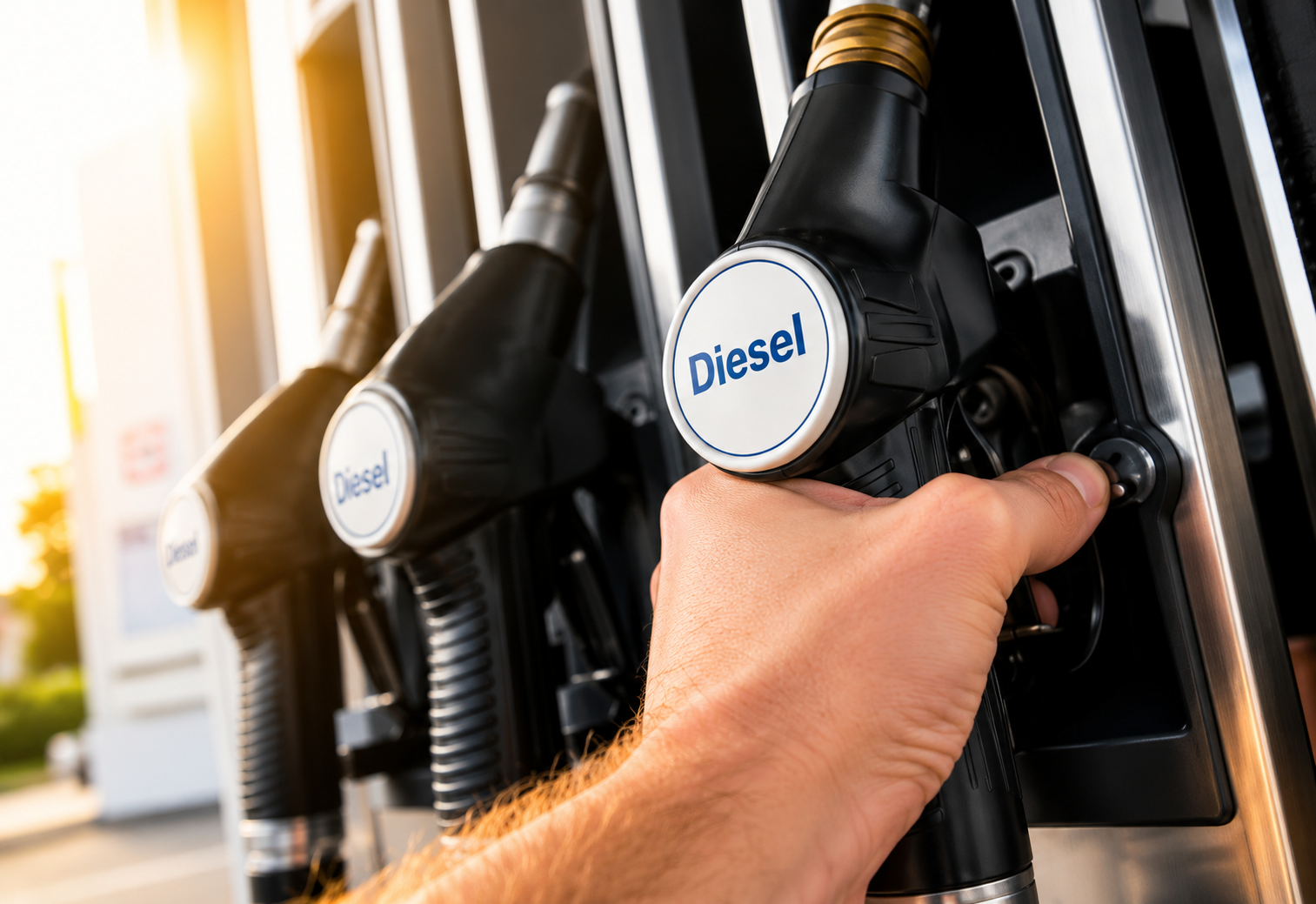
South Africa's power utility, Eskom, has cut its diesel spending by more than 84 per cent after stronger performance from its power stations reduced the need for emergency electricity generation.
The utility said it spent R746.41 million on diesel between April and June 2026. This is much lower than the R4.72 billion spent during the same period in 2025. The lower cost came as the company continued to keep electricity supply stable during the winter season.
Better power stations reduce diesel use
Eskom said its diesel-powered open-cycle gas turbines were only used when electricity demand was very high and when extra reserve power was needed to support the national grid.
Electricity produced by these emergency plants dropped by more than 87 per cent compared with the same period last year. The load factor of the turbines also fell from 11.45 per cent to 1.45 per cent.
The utility said this shows its main power stations are working better and can supply more electricity without depending on costly backup generation.
Eskom linked the improvement to its Generation Recovery Plan, which has reduced equipment failures and improved the performance of power stations.
Stable electricity supports winter demand
The utility said South Africa has now recorded 406 straight days without nationwide load shedding. It also said the electricity system has continued to meet higher winter demand while keeping enough reserve capacity.
Its Energy Availability Factor, which measures how much electricity power stations can produce, increased to 63.81 per cent between April 1 and June 25, 2026. During the same period last year, it stood at 58.31 per cent.
Average unplanned outages also dropped to 11,259 megawatts between June 19 and June 25. This is more than 3,500 megawatts lower than the figure recorded during the same period in 2025.
Eskom said planned maintenance work has continued to ensure power stations stay reliable in the long term, even though more generating units were taken offline for servicing.
The utility said the stronger performance of its generating fleet has helped it provide reliable electricity while lowering operating costs linked to emergency power generation.
Related Stories

Sign up for our newsletter.
Get the latest news, expert analysis, and industry insights delivered straight to your inbox. Join thousands of professionals shaping the future of energy.
By submitting my information, I agree to the Privacy Policy and Terms of Service.