Renewables
Eskom Launches Renewable Energy Unit to Fast-Track South Africa's Clean Power
Long the dominant force in South Africa's coal-heavy power sector, Eskom is now positioning itself as a renewable energy provider, with a new subsidiary targeting 6GW of clean capacity by 2030 and 32GW by 2040.
South Africa's Eskom Holdings has launched Eskom Green, a new business unit dedicated to developing utility-scale renewable energy projects and helping large power users meet their decarbonisation targets.
The new entity was designed following benchmarking research covering more than 20 utilities globally. The findings pointed to a consistent set of requirements for renewable energy development: agile decision-making, access to diverse capital sources, partnership-based delivery, and bankable project structures. These requirements, Eskom noted, differ materially from its legacy vertically integrated generation model.
Group Executive for Eskom Renewables, Rivoningo Mnisi, said the business would expand the options available to South African industries seeking to reduce the carbon footprint of their energy use and preserve export competitiveness.
Eskom Group Chief Executive Dan Marokane described the launch as more than a compliance exercise. "This new entity is built on decades of power generation skills and expertise which the nation has invested in," he said. "We have been playing in this space for some time, and we are now putting a stake in the ground."
Eskom Green currently sits within Eskom Holdings and will be separated into a wholly owned subsidiary with an independent board, subject to governance, regulatory and shareholder approvals. Eskom Green intends to serve as customers' primary energy provider, taking responsibility for delivering against their core renewable energy requirements through its own generation, supplemented by storage and firming capacity to support round-the-clock supply.
Pricing will be structured to pass through the wholesale tariff at cost, with no mark-up on network, wheeling or other regulated wholesale charges. These will appear as a distinct line item, separate from the price of the energy Eskom Green generates and sells.
Eskom revealed that the first phase of the offering targets large industrial customers in mining and manufacturing, using Section 34 IRP allocations and direct bilateral power purchase agreements. Contracts will be structured on a take-or-pay basis, with customers committing to a fixed volume regardless of actual consumption. This provides the firm revenue base needed to anchor the special purpose vehicles through which projects will be financed.
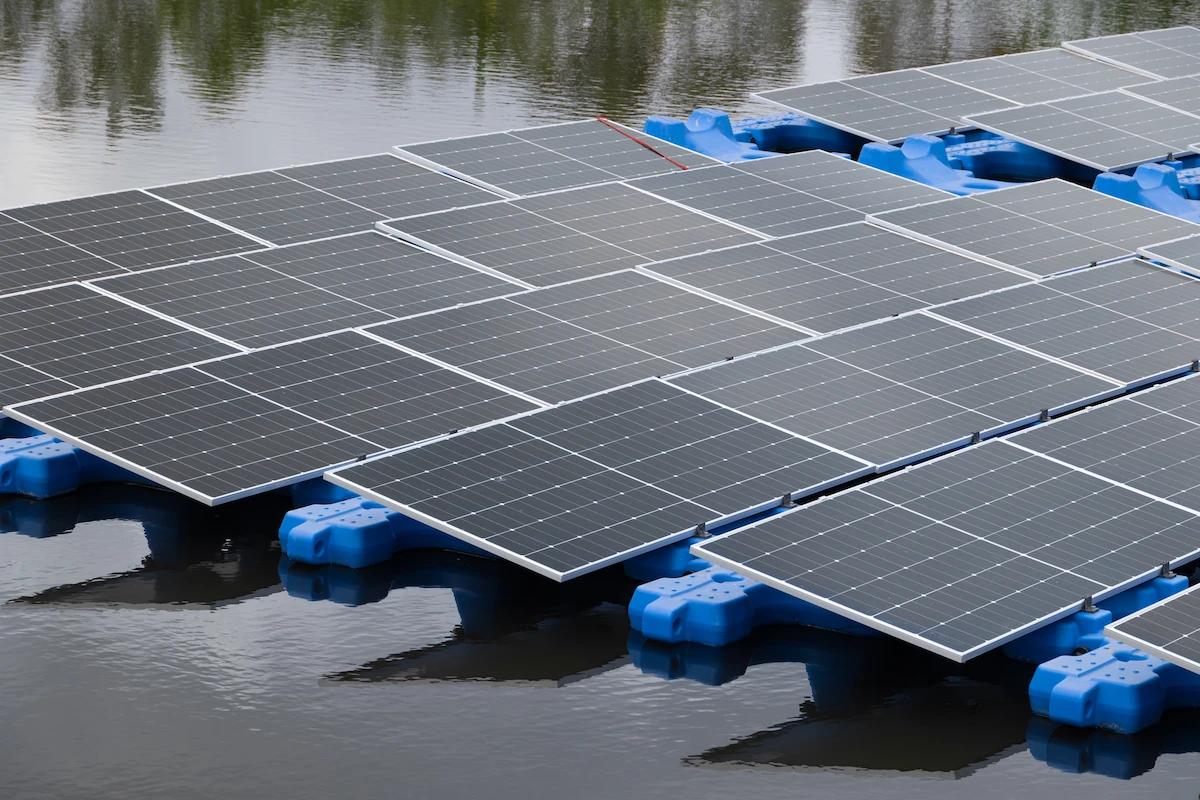
The technology pipeline is weighted towards solar PV, supported by battery energy storage systems, pumped storage and wind, with a 2GW operational target. A second phase will extend the offering to the Eskom Distribution market, the South African Wholesale Electricity Market, the Southern African Power Pool, and municipalities.
Eskom Green will have around 6GW of carbon-free electricity available up to 2030, drawn from a broad pipeline of renewables and storage initiatives currently in development. Seventeen high-priority projects have been identified for implementation across existing coal-fired power station sites, leveraging established infrastructure. These include the 75MW Lethabo solar PV project in the Free State. The Komati Power Station is next in line for a co-located renewable development.
Initial funding has been provisioned within Eskom's approved capital expenditure programme and is expected to be supported through on-balance sheet funding, in line with National Treasury debt relief conditions and without additional project finance borrowing. Beyond the initial phases, the 32GW pipeline out to 2040 will be financed through dedicated project SPVs, with public-private partnerships and hybrid solar PV and battery storage solutions planned for subsequent stages.
Related Stories
Eskom Launches Renewable Energy Unit to Fast-Track South Africa's Clean Power
Solar Power Nigeria, GIFSEP Launch Media Grant to Deepen Renewable Energy Reporting

Energy Transition: REA Chief, Stakeholders to Convene at Oriental News Conference
REAN, NERC Pledge Closer Cooperation to Grow Nigeria’s Renewable Energy Market
Sign up for our newsletter.
Get the latest news, expert analysis, and industry insights delivered straight to your inbox. Join thousands of professionals shaping the future of energy.
By submitting my information, I agree to the Privacy Policy and Terms of Service.