Power
Eskom Seals Three-Year Wage Deal with 7% Annual Pay Rise Amid Union Split
Eskom’s three-year wage deal with 7% annual increases highlights improving financial stability and labour dynamics, even as union tensions persist and South Africa’s power sector shows signs of recovery.
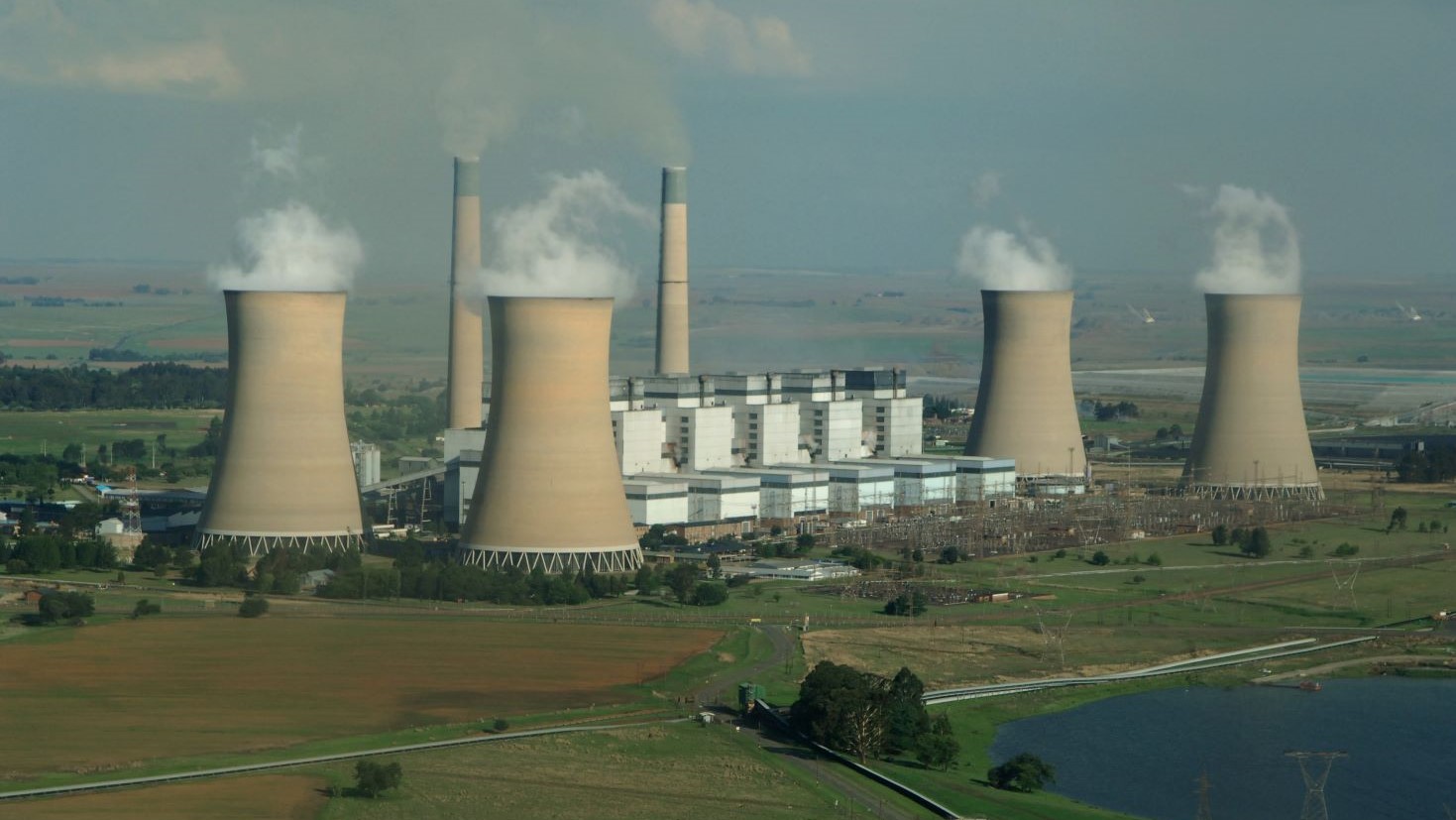
South Africa’s state power utility, Eskom, has concluded a three-year wage agreement granting workers a 7% salary increase annually, effective from July. The deal applies to all employees within the bargaining unit, despite the refusal of the National Union of Metalworkers of South Africa to sign on.
Eskom noted that the agreement remains binding, as it has been endorsed by the National Union of Mineworkers and Solidarity, which together represent over 75% of workers in the Central Bargaining Forum.
The agreed 7% annual increase exceeds the current inflation rate of about 3%, although inflationary pressures may rise amid global tensions. The negotiations, which began last year, involved multiple rounds of discussions between Eskom and the unions.
However, National Union of Metalworkers of South Africa, NUMSA, has rejected the deal, pushing instead for an 8% increase in the first year and indicating that the dispute could proceed to arbitration, potentially accompanied by industrial action.
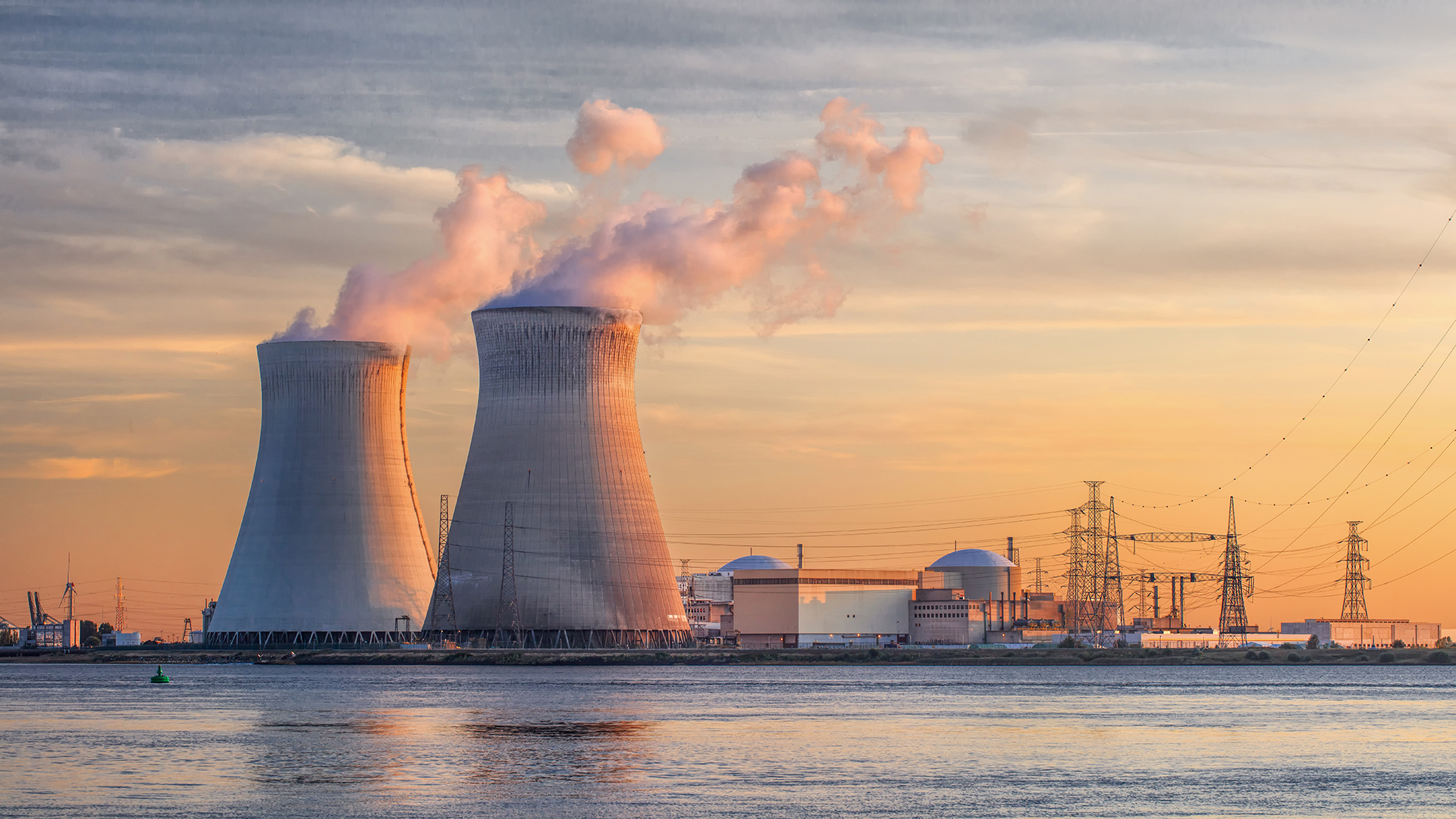
Eskom, which generates the bulk of South Africa’s electricity, has long faced operational and financial challenges, including recurring power outages and reliance on government bailouts.
In recent months, however, improved performance at its coal-fired power stations has enabled the utility to suspend nationwide blackouts. The company also reported its first full-year profit in eight years in the last financial period, signalling a potential turnaround in its operations.
Related Stories
Sign up for our newsletter.
Get the latest news, expert analysis, and industry insights delivered straight to your inbox. Join thousands of professionals shaping the future of energy.
By submitting my information, I agree to the Privacy Policy and Terms of Service.