Climate & Sustainablity |Power |Finance
Ethiopia Urges Faster Action on Electrification and Climate Finance Access
Ethiopia has called for stronger global support to expand electricity access and lower financing barriers for developing countries as discussions intensify ahead of the next UN climate summit.
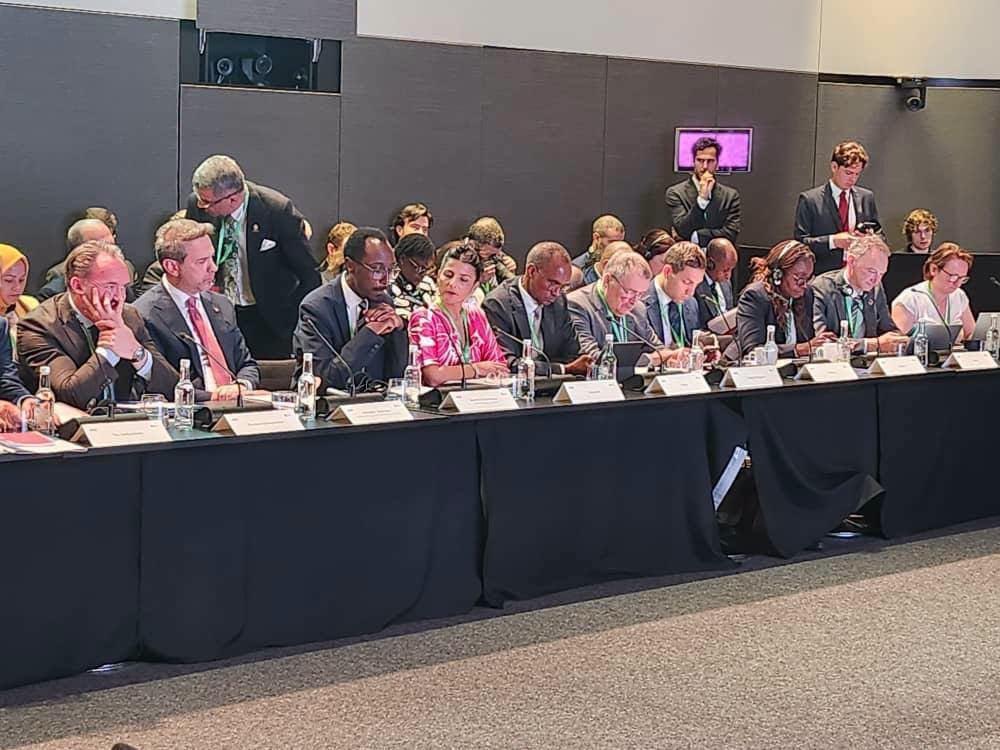
Ethiopia's Foreign Minister and COP32 President-Designate, Gedion Timothewos, has called for accelerated efforts to expand electricity access and improve the affordability of climate finance for developing economies.
Speaking at the Global Electrification Dialogue during London Climate Action Week, Gedion said faster progress is needed to support clean energy development and advance global climate commitments.
The meeting, organised by the International Energy Agency and the COP31 Presidency of Türkiye and Australia, brought together ministers, international organisations and energy experts to discuss the expansion of clean electricity systems and the implementation of climate goals.
Ethiopia backs global electrification targets to drive energy investment
A major proposal discussed at the dialogue is a target to increase electrification to 35 per cent of global final energy consumption by 2035.
Gedion welcomed the objective, saying it could help translate climate commitments into tangible investments in power generation, transmission infrastructure, grid expansion and clean cooking solutions.
He noted that wider access to electricity remains critical for many developing countries seeking to improve energy access while pursuing low-carbon growth pathways.
Financing barriers remain a major challenge for developing economies
The minister identified access to affordable financing as one of the biggest obstacles to expanding renewable energy projects in developing countries.
According to him, many viable projects struggle to secure funding because of high borrowing costs linked to concerns over currency volatility, political risks and regulatory uncertainty.
He called for stronger international support mechanisms, including guarantees, insurance instruments and increased access to local-currency financing to reduce investment risks and unlock energy projects.
Gedion also stressed that electrification should be viewed not only as a climate action tool but as a driver of economic development, industrialisation and energy security, particularly in countries where large segments of the population still lack reliable access to electricity.
The dialogue forms part of preparations for COP31, where governments are expected to focus increasingly on implementing existing climate commitments and accelerating progress toward global energy and climate goals.
Related Stories
Sign up for our newsletter.
Get the latest news, expert analysis, and industry insights delivered straight to your inbox. Join thousands of professionals shaping the future of energy.
By submitting my information, I agree to the Privacy Policy and Terms of Service.