Power
Ghana Keeps Utility Service Charges Unchanged Despite Tariff Review
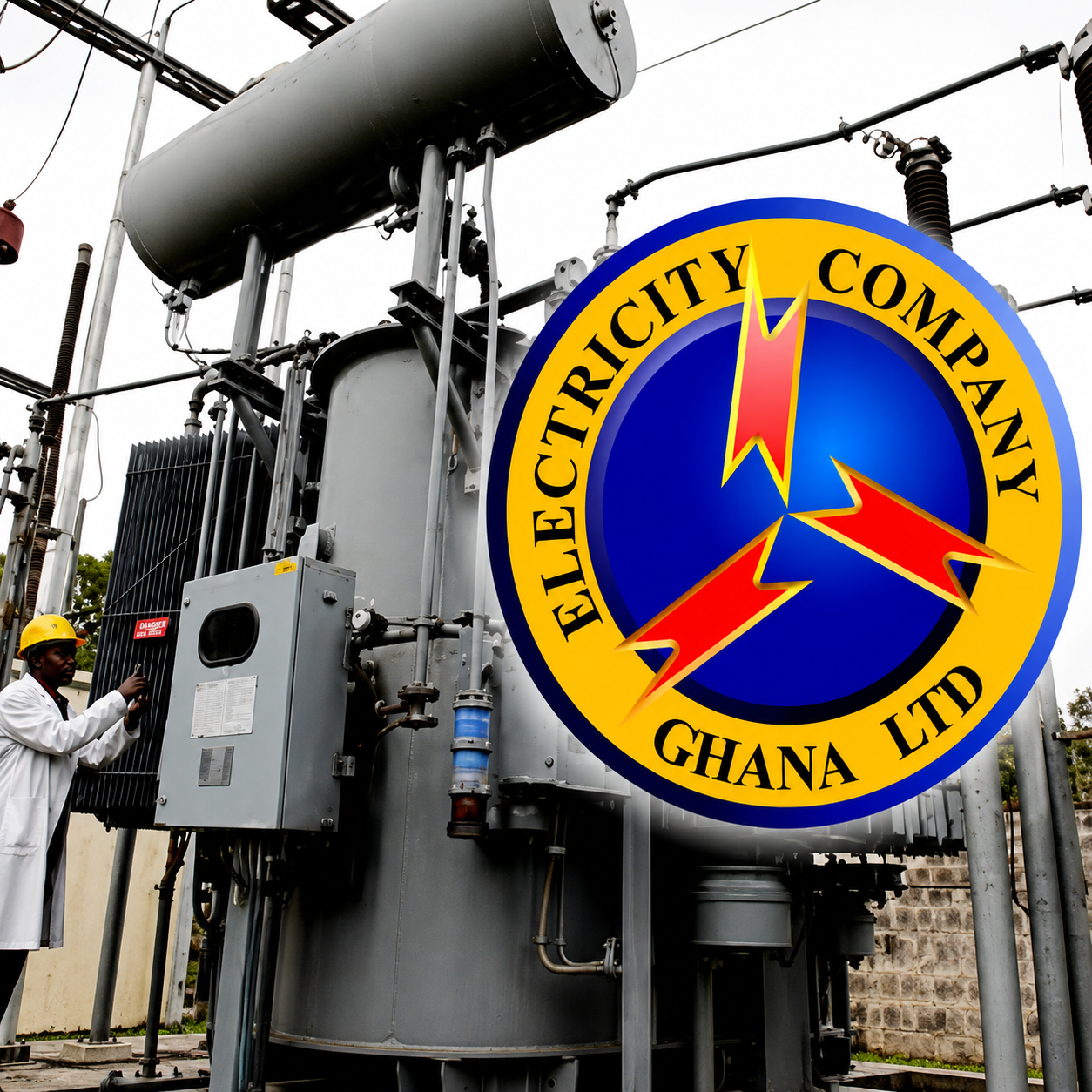
Ghana has left service charges for electricity and water unchanged even as new tariffs take effect from July 1, offering some relief to consumers.
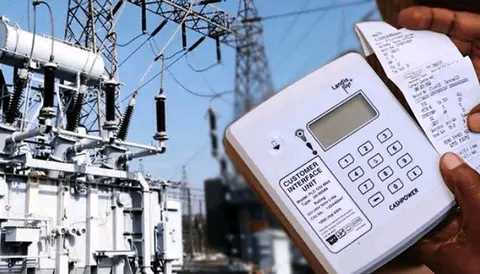
Ghana will begin a new electricity and water tariff regime on July 1 after the Public Utilities Regulatory Commission approved fresh prices for utility users.
Electricity tariffs will rise by 3.49 per cent for all customer groups, while water tariffs will increase by 0.85 per cent. Even with the new prices, the commission decided not to change service charges for any category of customer.
The latest review is part of the commission's quarterly exercise to adjust utility prices. The regulator said the decision was necessary to help electricity and water providers continue their operations and provide steady services to the public.
Service charges stay the same
While customers will pay more for electricity and water use, fixed service charges will stay at their present rates.
Residential customers under the lifeline electricity tariff who use up to 30 kilowatt-hours every month will now pay 89.93 pesewas per kilowatt-hour instead of 86.9 pesewas.
Households under the lifeline water category that use up to five cubic metres each month will pay 598.54 pesewas per cubic metre. The previous rate was 593.49 pesewas.
The commission said it looked at several economic conditions before approving the new prices. These included changes in the value of the Ghanaian cedi, the inflation rate and the cost of natural gas used for electricity generation.
For the third quarter review, the cedi weakened slightly against the United States dollar. Inflation also dropped when compared with the previous quarter. The average cost of natural gas also fell.
The commission said the quarterly review helps utility prices reflect changes in the economy while helping service providers meet their financial needs.
It also said it will continue to monitor electricity and water companies and make sure they improve the quality of service delivered to customers.
The tariff adjustment comes at a time when many families are trying to manage household expenses. Even so, the decision to leave service charges unchanged may reduce part of the financial pressure on consumers as the new rates begin in July.
Related Stories
Sign up for our newsletter.
Get the latest news, expert analysis, and industry insights delivered straight to your inbox. Join thousands of professionals shaping the future of energy.
By submitting my information, I agree to the Privacy Policy and Terms of Service.