Renewables |Finance
Fedgroup Secures R500m IDC Funding for Renewable Energy Projects
South Africa’s energy transition is drawing more private capital as firms seek funding for industrial infrastructure and renewable power projects.
Fedgroup has secured R500 million in funding from the Industrial Development Corporation to support its newly established Fedgroup Renewables Capital fund.
The fund contains a portfolio of renewable energy and infrastructure-linked assets tied to industrial and commercial counterparties, including Coega Steels and Mondi.
Fedgroup chief commercial officer Rob Timmis said the IDC’s backing reflected confidence in the structure of the projects, the quality of the assets and the strength of the industrial customers involved.
He said the financing was not speculative, but was based on proven demand and real industrial activity.
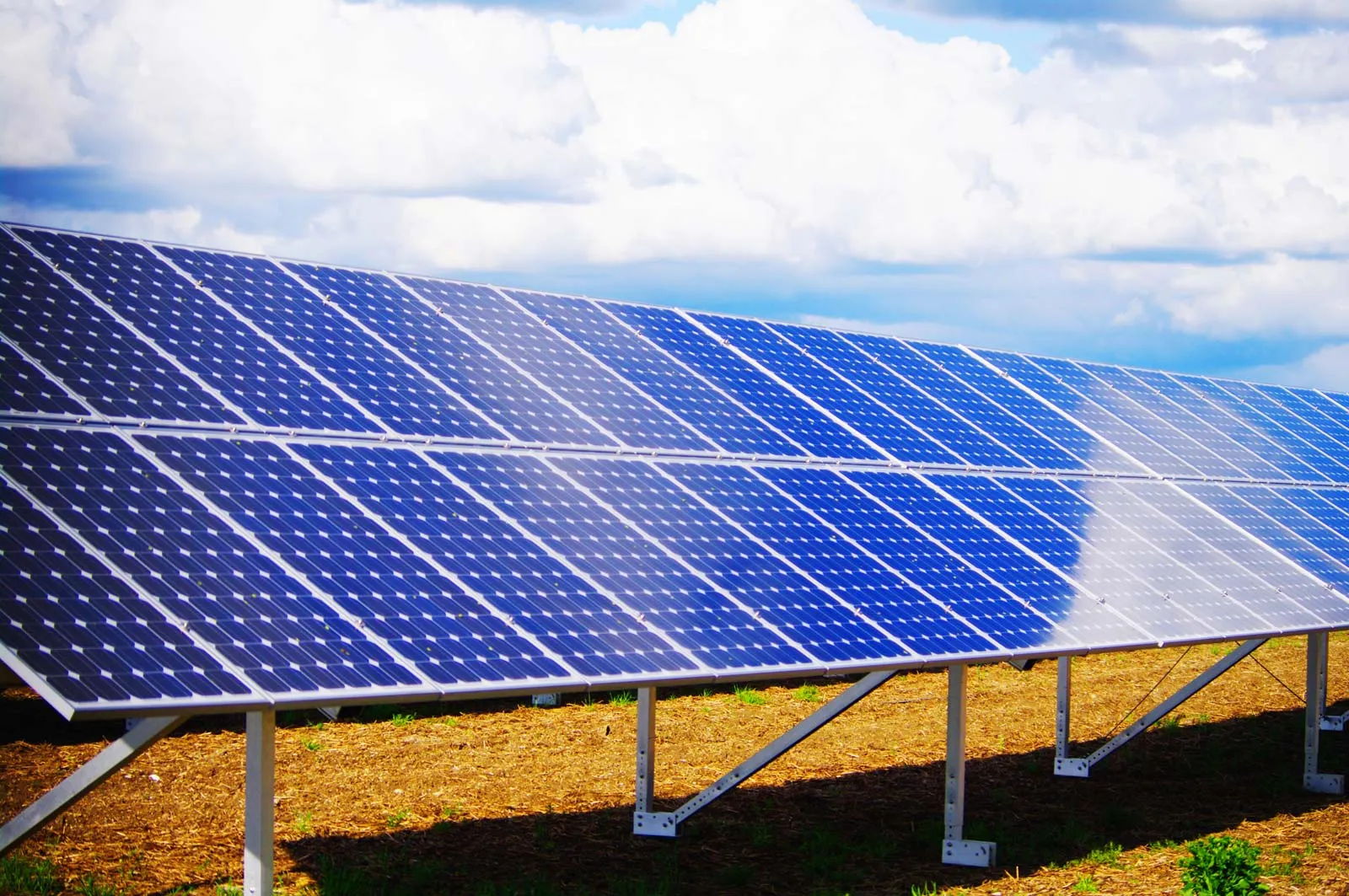
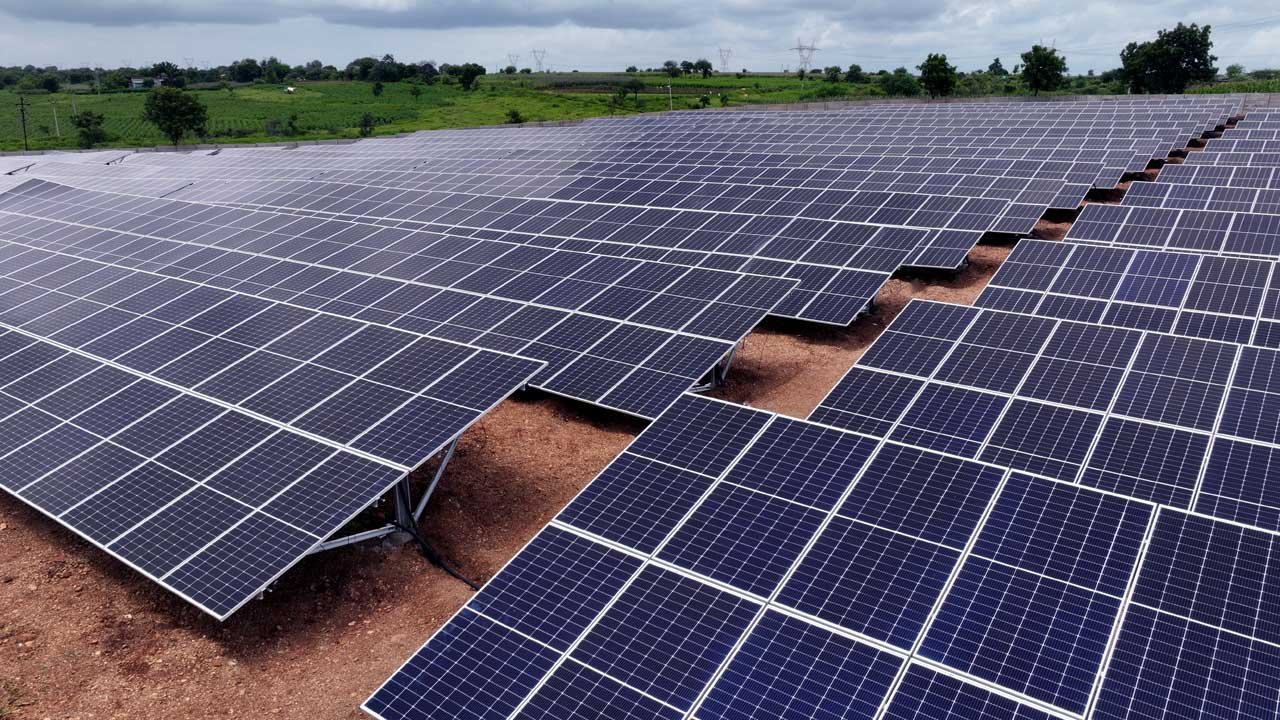
A key project under the fund is a 7.1MW solar PV installation financed through Fedgroup Private Capital. The R51.8 million project combines rooftop and ground-mounted solar panels at the Coega Steels site and is expected to generate about 9.3GWh of electricity in its first year.
The system, which uses more than 11,000 solar panels, is also expected to save about R19 million in electricity costs in the first year while reducing reliance on grid power.
The deal comes as South African companies continue to struggle to secure long-term funding for energy transition projects, particularly in infrastructure-heavy sectors.
Timmis said private credit was becoming an increasingly important source of capital as traditional lenders pulled back from transactions that require specialist structuring and long-term investment.
He said renewable energy assets and other real assets were attractive because they generate steady cash flows, offer some protection against inflation and are less exposed to short-term market swings.
The Coega Steels project is located in the Coega Industrial Development Zone outside Gqeberha in the Eastern Cape, an area regarded as one of South Africa’s key manufacturing and export hubs.
Timmis opined that projects of this kind were important because they combine strong counterparties, long-term infrastructure demand and opportunities linked to the energy transition.
Related Stories

Sign up for our newsletter.
Get the latest news, expert analysis, and industry insights delivered straight to your inbox. Join thousands of professionals shaping the future of energy.
By submitting my information, I agree to the Privacy Policy and Terms of Service.