Renewables |Finance
World Bank’s IFC Deploys $40m to Expand Africa's Off-Grid Solar Access
A new World Bank-backed financing initiative will support the rollout of pay-as-you-go solar systems across underserved African communities amid growing efforts to tackle the continent’s electricity access crisis.
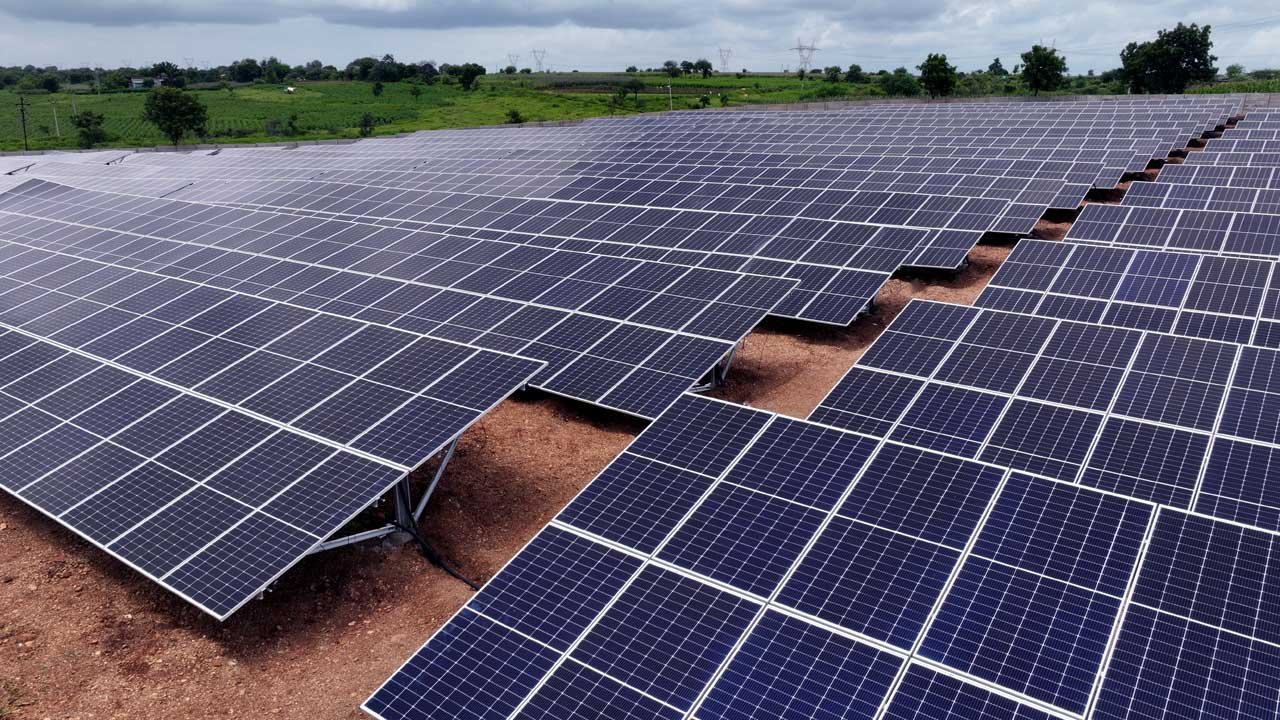
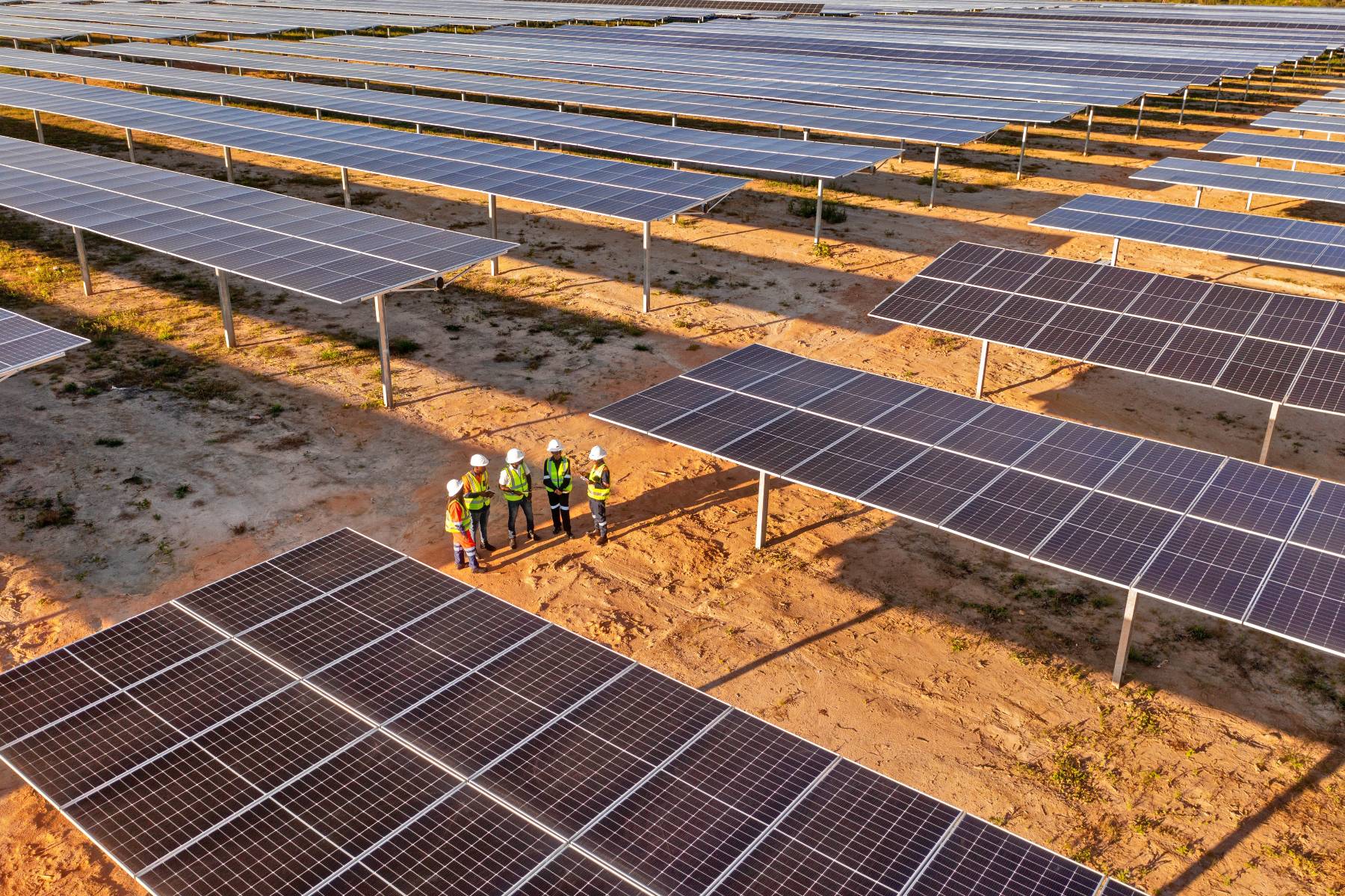
The International Finance Corporation, the private-sector investment arm of the World Bank Group, has approved a $40 million convertible loan facility for EDF Power Solutions to support the expansion of off-grid solar energy projects across Africa.
The financing will help scale pay-as-you-go solar systems targeted at households and small businesses in underserved and rural communities where access to reliable electricity remains limited.
The agreement, announced on Tuesday, forms part of broader international efforts to address Africa’s deepening electricity access challenge, with nearly 600 million people across the continent still lacking power supply, according to African Development Bank estimates.
IFC Vice President for Africa, Ethiopis Tafara, said the investment combines funding from the institution and private investors to accelerate deployment of decentralised renewable energy systems.
The project also aligns with Mission 300, a joint initiative of the World Bank and the African Development Bank aimed at connecting 300 million Africans to electricity by 2030.
Pay-as-you-go solar systems have emerged as one of the fastest-growing energy solutions across Africa, allowing consumers to acquire solar kits through small instalment payments rather than large upfront costs.
The model has gained traction particularly in low-income and off-grid communities where national electricity infrastructure remains weak or unavailable.
Analysts say decentralised renewable energy solutions, including mini-grids and home solar systems, are becoming increasingly important as African governments struggle to expand national grids quickly enough to meet rising population growth, urbanisation and industrial demand.
The latest investment reflects growing international interest in Africa’s renewable energy sector amid global pressure to accelerate cleaner energy development and reduce dependence on fossil fuels.
Mission 300, one of Africa’s largest electricity access programmes, has already mobilised more than $8.5 billion in commitments and secured national energy agreements in 17 countries, according to a progress update released in late 2025.
The EDF transaction also forms part of IFC’s broader strategy to deepen investment in Africa’s clean energy market.
Earlier this week, the corporation announced plans to invest up to $40 million in equity financing into the Facility for Energy Inclusion, a pan-African clean energy investment fund managed by Cygnum Capital.
The fund supports renewable energy infrastructure projects including mini-grids, solar home systems and independent power producers across the continent.
Industry experts say increased private-sector participation will be essential to closing Africa’s electricity gap, improving energy reliability and supporting long-term economic growth in both urban and rural communities.
Related Stories

Sign up for our newsletter.
Get the latest news, expert analysis, and industry insights delivered straight to your inbox. Join thousands of professionals shaping the future of energy.
By submitting my information, I agree to the Privacy Policy and Terms of Service.