Power
Ghana Launches New Energy Programme to Build Power Sector Skills
Accra Metropolitan University has launched a postgraduate programme focused on energy management and policy as the government works on grid stability, renewable power and energy investment.
Ghana is preparing a new pool of energy professionals to support reforms in its power sector as demand for reliable electricity rises across manufacturing, mining, agriculture and digital businesses.
The development came to the fore in Accra on Wednesday with the launch of a Master of Science in Energy Management and Policy programme by Accra Metropolitan University.
The Director of Power at the Ministry of Energy and Green Transition, Sulemana Abubakari, said the country needs skilled professionals who can manage, regulate, finance and operate energy infrastructure.
He said the government is working towards a sustainable energy system that can supply reliable electricity to other parts of the economy.
Abubakari said innovative policies could improve energy security, reduce losses, raise performance in power distribution and improve transmission and system reliability.
He spoke at a public lecture held alongside the launch of the postgraduate programme.
The event had the theme, ‘Powering Ghana's Future: Energy Security, Sustainable Transition and Policy Innovation.’
Abubakari said the government was also working to improve efficiency and financing in the power sector as electricity demand rises.
"We want an energy sector that supports manufacturing, mining, agriculture, digitalisation and enterprises. We must secure energy that powers our economy today, while building a sustainable energy system that will power our economy tomorrow," he explained.
Skills needed as energy system expands
The ministry official said Ghana was working to expand renewable energy, manage grid stability and attract investment into the energy sector.
He said these areas would be important in securing a stable electricity supply.
The government’s work also comes as energy transition, climate commitments and changing expectations from global investors affect how energy is produced, financed and consumed.
Abubakari said Ghana therefore needs professionals who understand the different parts of the energy system.
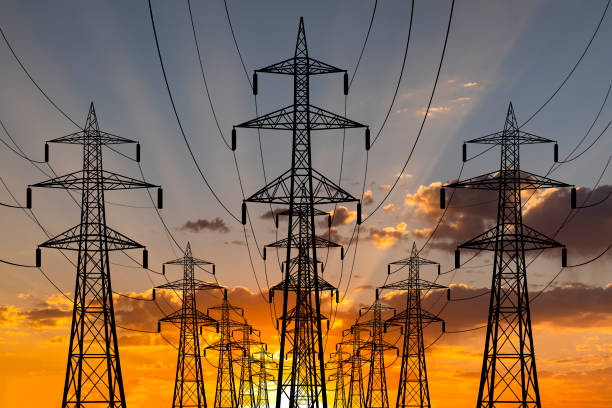
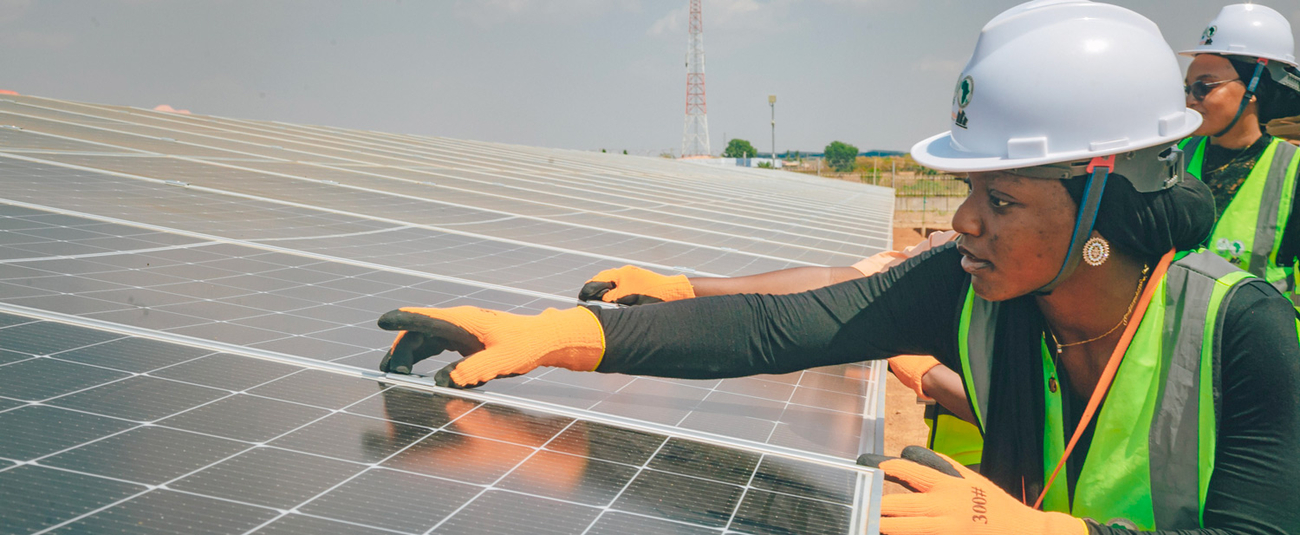
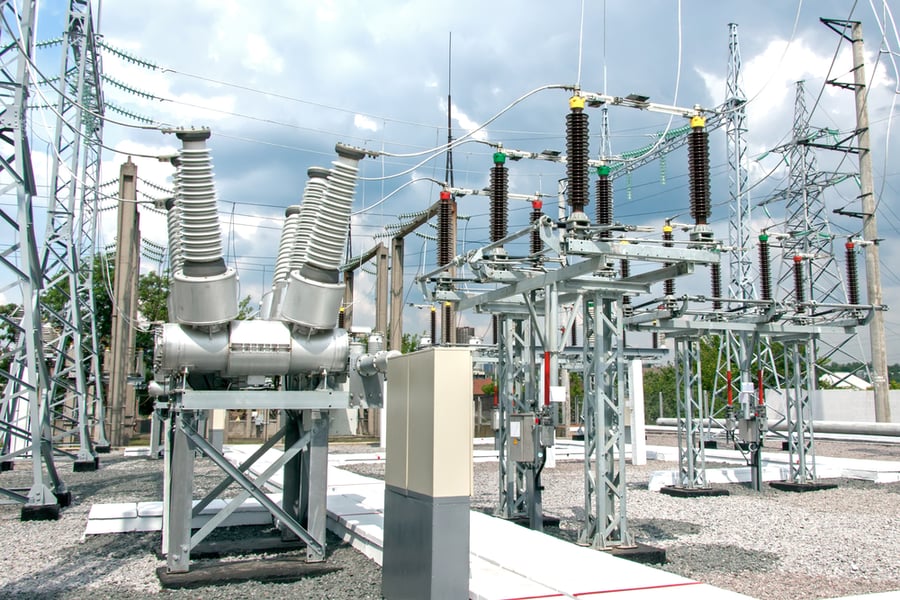
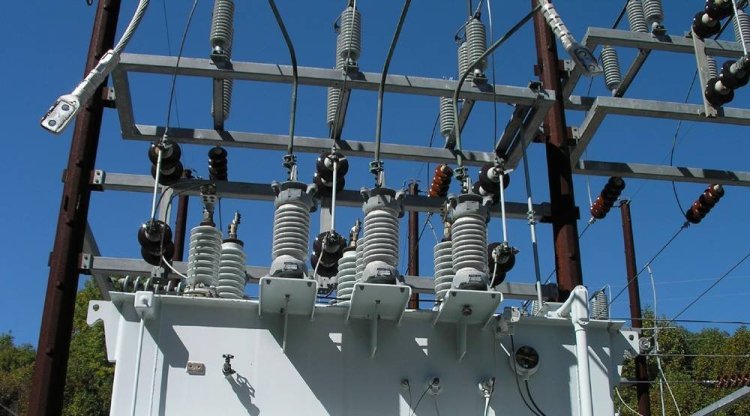
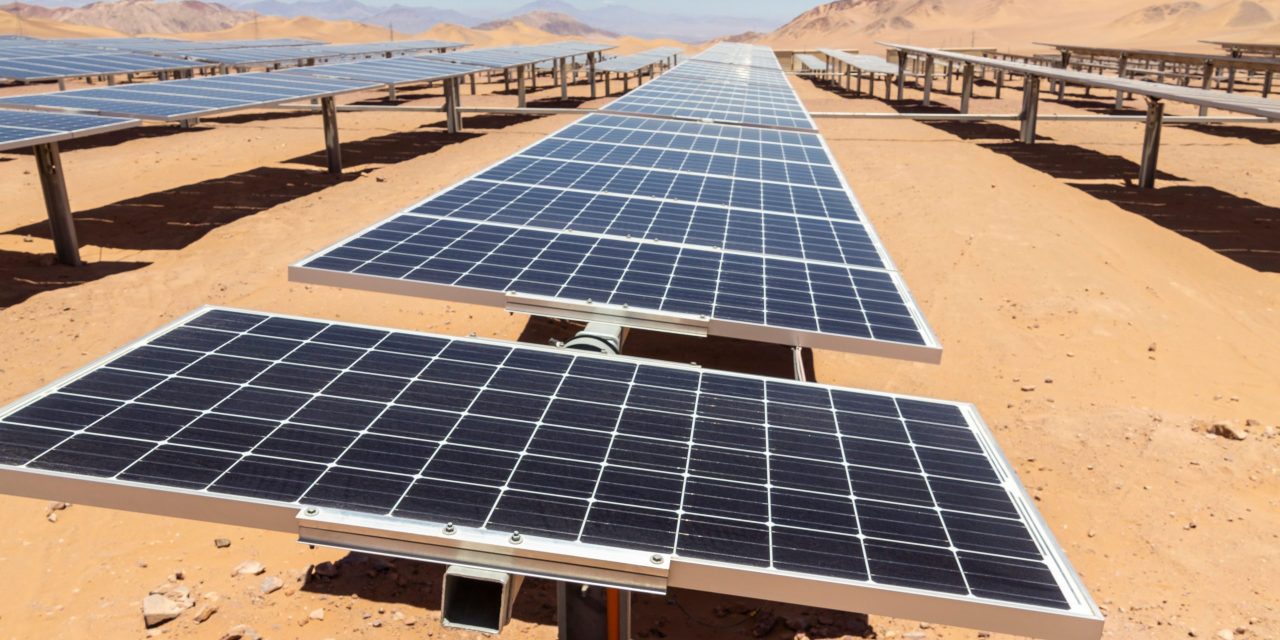
He listed transmission lines, solar farms and power plants among the assets that require people with the right skills to plan, operate, regulate and finance them.
He said such training would help ensure that investments in energy infrastructure deliver value.
The university’s new programme is designed to provide training in energy management and policy at postgraduate level.
Vice-Chancellor of Accra Metropolitan University, Professor Goski Alabi, said the programme brings together policy, innovation, management and sustainability.
She said it would equip graduates with knowledge and skills to contribute to energy security and Ghana’s transition towards a more resilient and sustainable energy future.
The programme places university training alongside the needs of a sector that requires people able to understand both policy decisions and energy infrastructure.
For the government, the availability of such professionals is important as it works on renewable energy, transmission, distribution and financing.
Power policy faces major choices
The programme coordinator, Dr Kwame Agyeman-Badu, said government decisions would determine the future of Ghana’s power sector.
His position points to the importance of policy choices as Ghana works to provide electricity for several parts of the economy.
Abubakari said the government wants an energy sector that can support economic activities today and provide a sustainable electricity system for the future.
He also stressed the need for innovation and effective policy in the management of the sector.
"Let us move from knowledge to innovation, from innovation to policy, from policy to impact and that the industry sector is secure, sustainable, competitive, and capable of driving balance transformation," Mr Abubakari said.
The government’s stated priorities include improving energy efficiency and financing, expanding renewable energy, managing grid stability and attracting energy investment.
These areas cover both the supply of electricity and the systems needed to keep power infrastructure working effectively.
Abubakari said sustainable energy development would also help reduce losses and improve the performance of electricity distribution.
He also pointed to transmission and system reliability as areas requiring improvement.
The launch of the postgraduate programme therefore comes at a time when the government is seeking both infrastructure improvements and skilled people to support the energy sector.
The ministry’s position is that energy security is tied to the performance of other sectors, including manufacturing, mining, agriculture, digitalisation and enterprises.
The university sees its new programme as a way of preparing graduates to contribute to those needs through training in policy, management, innovation and sustainability.
The challenge presented at the event was not limited to producing more electricity. It also included building the skills needed to manage energy assets, finance projects, regulate the sector and maintain reliable systems.
The government is working on renewable energy expansion, grid stability and investment as part of its approach to a sustainable power system.
The university’s new postgraduate course will train professionals in energy management and policy as these priorities take shape.
The programme's launch also gives the country's energy sector a new academic platform focused on the people needed to manage its future power system.
Related Stories
Sign up for our newsletter.
Get the latest news, expert analysis, and industry insights delivered straight to your inbox. Join thousands of professionals shaping the future of energy.
By submitting my information, I agree to the Privacy Policy and Terms of Service.