Renewables |Power
Nigeria: Four Solar Sites Fail Maintenance Test, Prompt Sustainability Tariff
A government assessment found that only three of seven facilities under the first phase of a major education power programme were still in good or usable condition.
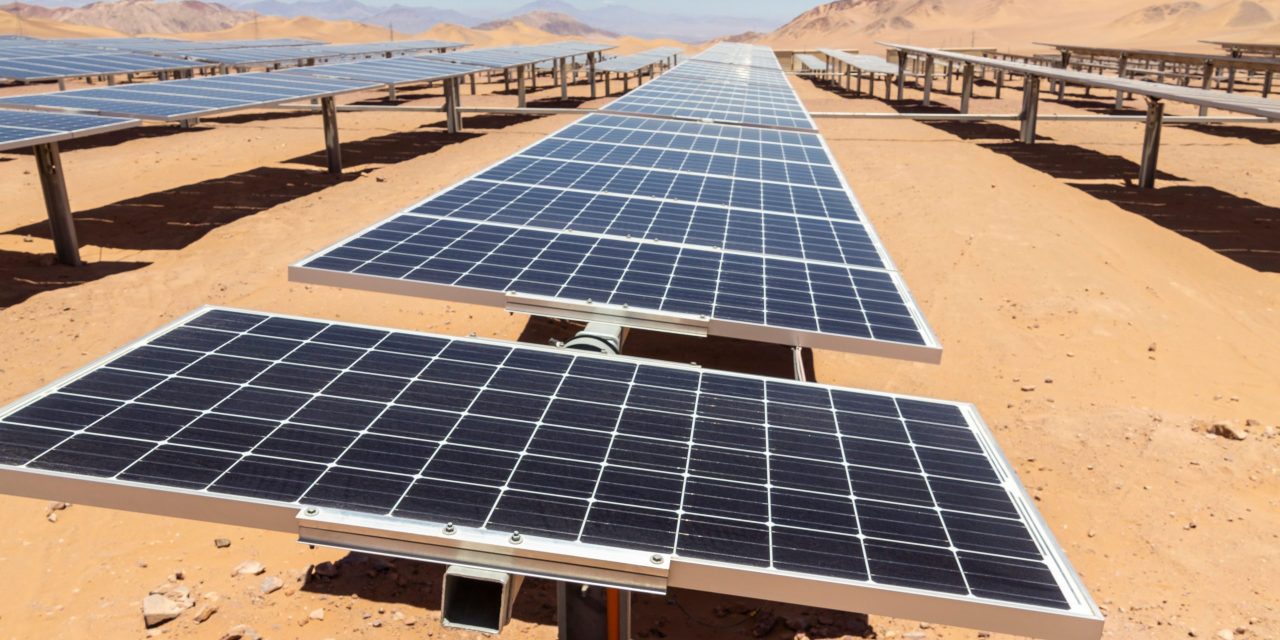
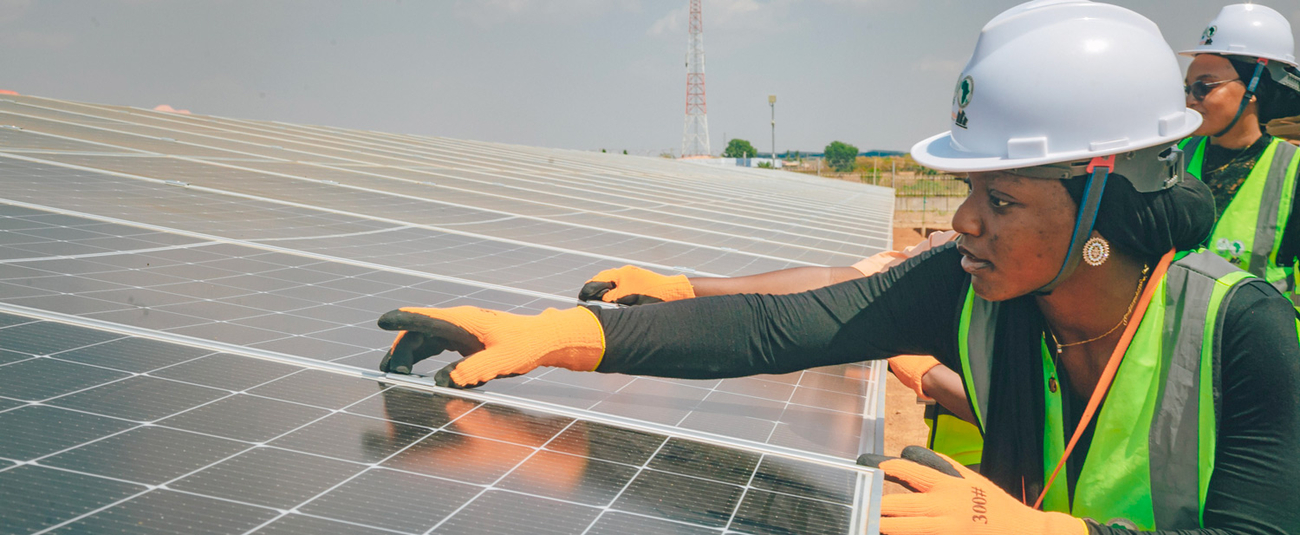
Four of seven solar facilities delivered under the first phase of the Federal Government’s Energising Education Programme are no longer in good or usable condition, exposing the cost of running public power projects without a lasting maintenance system.
The finding has led the Nigerian government to introduce a sustainability tariff for institutions receiving electricity from its renewable energy systems. The payment will fund operation, maintenance and eventual replacement of major equipment.
The Rural Electrification Agency announced the new arrangement on Wednesday at the unveiling of the Renewable Assets Management Company, RAMCO.
REA Managing Director, Aliyu Abba Abubakar, said the assessment forced the government to rethink how publicly funded solar installations were managed after some facilities deteriorated because there was no dependable money for their upkeep.
The affected projects had initially helped public institutions cut their reliance on diesel generators. But without a long-term source of maintenance funding, the gains from the installations were put at risk.
N263bn investment faces upkeep test
The maintenance problem is significant because of the amount already spent on solar-hybrid power.
Abubakar disclosed that about N263 billion had been committed to solar-hybrid generation through the Energising Education Programme, covering 22 federal universities and three teaching hospitals.
Since the programme began in 2017, about 82MW of solar-hybrid generation capacity has been installed. Another 150MW-plus is being constructed or planned through EEP phases and other renewable energy programmes.
These include DARES, the National Public Sector Solarisation Initiative, TETFund projects and the Desert to Power programme.
The government now wants the financial system around these projects to continue after construction and commissioning.
Under the new arrangement, beneficiary institutions will contribute towards the cost of keeping their solar systems operational. RAMCO will manage the assets, engage qualified operators, meter electricity use and collect payments.
The company will also build financial reserves for major replacements, including equipment such as batteries and inverters.
Abubakar said this would reduce the need for government agencies to seek emergency allocations whenever critical components fail.
“If a battery or inverter requires replacement in year eight, we should not return to the treasury in year eight looking for emergency funding. The money should already be there,” he said.
The REA chief said institutions would use part of their existing energy budgets to preserve the infrastructure supplying them with electricity.
“It is the redirection of part of what an institution would otherwise spend on expensive and unreliable power towards preserving the asset providing reliable electricity,” he said.
He also rejected the idea that the tariff should simply be seen as another expense.
“Reliable electricity is not free. The question is whether we pay repeatedly for diesel and failed infrastructure, or pay a predictable tariff that keeps a cleaner, more reliable system operating for twenty years,” Abubakar added.
RAMCO will operate as a company incorporated under the Companies and Allied Matters Act. Federal Government interests will be held through the Ministry of Finance Incorporated, with the company governed by a professional board.
“In RAMCO, we are building an institution that learns, improves and continues-regardless of who occupies the leadership position. RAMCO is not another government agency, it is a company incorporated under the Companies and Allied Matters Act, with Federal Government interests held through the Ministry of Finance Incorporated and governed by a professional board,” he said.
The company is expected to create a system in which money for future repairs is built up before equipment reaches the point of failure.
Education, health projects face new payment system
The new arrangement will affect public institutions that receive electricity from the renewable energy facilities.
Minister of Power, Joseph Tegbe, said the tariff would be designed to make the projects financially sustainable without placing an unreasonable burden on beneficiary institutions.
He also said the arrangement could help connect government-funded renewable infrastructure with private capital.
Tegbe disclosed that technical audits were being carried out on damaged or malfunctioning power infrastructure as the government works to improve the electricity network.
“We will revisit the east and west super grid so that we can build resilience into our grid,” he said.
He said Nigeria’s transmission system was currently struggling to wheel about 5,000MW, but expressed confidence that the capacity would rise significantly.
“My target is that by the end of this year, we’ll conveniently be wheeling 6,500. By the end of next year, we will be wheeling conveniently 8,000 megawatts,” he said.
The health sector is also expected to benefit from the renewable power projects.
Minister of State for Health and Social Welfare, Dr Iziaq Adekunle Salako, said dependable renewable electricity was especially important to health institutions because of unreliable grid power.
Education Minister, Dr Maruf Tunji Alausa, said solarisation had reached no fewer than 15 universities. He said the government could no longer concentrate only on installing renewable energy systems without ensuring that the facilities continued to function.
“The challenge for us today is no longer therefore about building renewable energy infrastructure, it is about ensuring that these assets are properly operated, maintained and preserved so that enormous investments made by the government continue to deliver value for Nigerians…This is where RAMCO becomes important,” Alausa said.
Alausa also linked the solar maintenance issue to the government's approach to public spending.
The Education Ministry recently announced the discontinuation of new government-funded overseas scholarships under the Bilateral Education Agreement. Existing beneficiaries are expected to receive support until they complete their studies, while foreign governments can still independently sponsor Nigerian students.
Alausa said Nigeria now had greater capacity in its universities, polytechnics and colleges of education than when the overseas scholarship arrangements began.
He recalled a proposal involving about 100,000 Nigerian students travelling to Morocco to study courses including mass communication and journalism.
“Number one, we have all those courses in Nigeria. And yet, number two, they were going to spend the first year learning French before they started the programme,” he said.
He said public funds could support more students within Nigeria.
“So the Bilateral Education Agreement was not making sense, again, to us in government. It was a way to waste government funds,” he said.
“And this President will not waste any public funds,” Alausa added.
The new solar payment system is intended to ensure that money for repairs is available before public power facilities deteriorate, giving the government a way to protect the large sums already committed to renewable electricity.
Related Stories
Sign up for our newsletter.
Get the latest news, expert analysis, and industry insights delivered straight to your inbox. Join thousands of professionals shaping the future of energy.
By submitting my information, I agree to the Privacy Policy and Terms of Service.