Oil & Gas
Ghana Turns to Local Refining as Sentuo Receives First Jubilee Crude Shipment
Ghana’s decision to refine Jubilee crude at home marks a shift towards value addition, stronger energy security and reduced dependence on imported petroleum products.

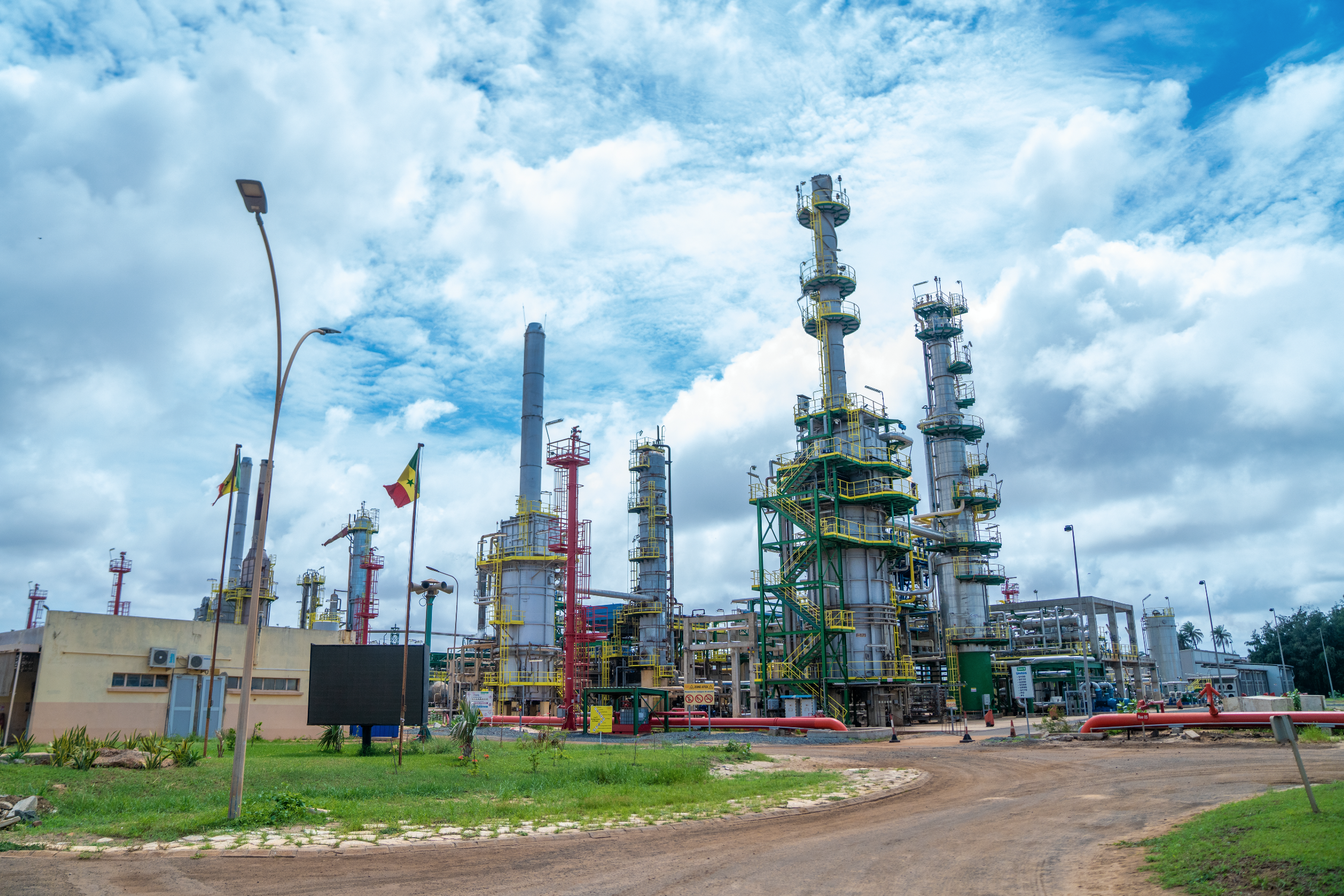
Ghana has taken a major step towards retaining more value from its oil resources after commencing the local refining of crude from the Jubilee Field, marking a significant shift in the country's downstream petroleum strategy.
The milestone was recorded on Monday, June 8, when Sentuo Refinery, a Chinese-owned private refinery, received its first shipment of one million barrels of Jubilee crude at its facility in Tema for domestic processing, ending years of exporting crude while relying heavily on imported refined petroleum products.
The move is expected to strengthen energy security, reduce import dependence and support the government's broader industrialisation agenda by keeping more of the petroleum value chain within the country.
For years, Ghana has exported crude oil while spending hundreds of millions of dollars each month importing refined fuels, a model government officials and industry stakeholders say has limited the economic benefits of the country's natural resources.
Speaking during the reception ceremony, Executive Chairman of Sentuo Refinery, Ningquan Xu, described the development as a turning point for Ghana's economy.
According to him, processing Jubilee crude locally signals the country's transition from exporting raw materials to creating value through domestic refining, industrial development and job creation.
He said the initiative would strengthen Ghana's energy security, generate foreign exchange savings and position the country as a competitive petroleum processing hub for West Africa.
Xu also disclosed that President John Dramani Mahama is expected to launch the second phase of the Sentuo Refinery expansion project later this month, a development expected to significantly boost refining capacity and create additional employment opportunities.
Ghana's Minister for Energy and Green Transition, Dr John Abdulai Jinapor, said the commencement of local refining represents a deliberate policy shift aimed at maximising the economic benefits of the country's petroleum resources.
He noted that rather than exporting crude and importing finished products, Ghana is now pursuing value addition through domestic processing, which will support industrial growth, build technical expertise and create sustainable jobs.
The minister added that investments in refining infrastructure would strengthen the country's energy security while reducing its exposure to fluctuations in international fuel markets.
Minister for Trade, Agribusiness and Industry, Elizabeth Ofosu-Adjare, described the development as a milestone in Ghana's industrial transformation, noting that every barrel refined locally creates economic linkages across manufacturing, transportation, agriculture and other sectors.
She commended Sentuo Refinery for investing heavily in the country's downstream industry, saying the project aligns with government's objective of building a resilient industrial economy anchored on value addition.
The latest development also complements the revival of the state-owned Tema Oil Refinery, which recently resumed operations following extensive rehabilitation works after years of operational setbacks.
Together, the renewed activity at Tema Oil Refinery and the expansion of private refining capacity are expected to significantly improve Ghana's ability to process its own crude, reduce fuel imports and strengthen its position as an emerging petroleum hub for the West African sub-region.
Related Stories


Sign up for our newsletter.
Get the latest news, expert analysis, and industry insights delivered straight to your inbox. Join thousands of professionals shaping the future of energy.
By submitting my information, I agree to the Privacy Policy and Terms of Service.