Oil & Gas
Ghana's TOR Secures Two-year Crude Oil Supply Deal
Tema Oil Refinery aims to support regular oil processing.
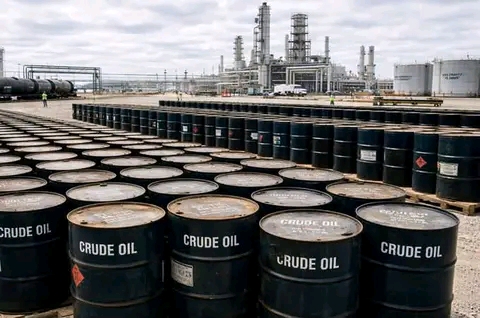
Ghana's Tema Oil Refinery (TOR) said it has secured a two-year agreement to receive one million barrels of crude oil every month, a move expected to support uninterrupted refinery operations and strengthen fuel production.
The agreement is with Dubai-based Fujeirah/Triangle Commodities Trading (TCT). TOR Board Chairman Nayon Bilijo said the arrangement will provide a stable flow of crude oil over the next two years, giving the refinery the supply it needs to continue processing without planned interruptions.
The development follows efforts to return the state-owned refinery to regular production after years of operational difficulties.
Refinery rebuilding follows return to crude processing
TOR resumed crude processing in late December 2025 after major rehabilitation work carried out by its current management. The restart marked an important step in bringing the refinery back into operation after a long period of limited activity.
In May 2026, the refinery received about one million barrels of Bonga crude oil aboard the MT Cap Felix. The cargo was purchased from Shell and supplied through Fujeirah/Triangle Commodities Trading under a tolling arrangement. That shipment supported the refinery's ongoing processing programme and prepared the ground for the new long-term supply agreement.
The refinery also expects to receive crude oil from Ghana's upstream petroleum sector in July. Bilijo said the government is expected to supply crude oil that TOR will refine, giving the company another source of feedstock for its operations.
Reliable crude oil supply has been one of the major factors affecting refinery performance in recent years. Without regular deliveries, processing activities become difficult to sustain, making long-term supply arrangements important for stable operations.
Maintenance work continues to improve refinery capacity
Alongside the supply agreement, TOR is carrying out maintenance work on important facilities within the refinery.
Bilijo said the current administration inherited 17 storage tanks that were not in service. He said maintenance and repair work is underway to return those tanks to operation, which will improve the refinery's storage capacity.
He also said work on the Residual Fluid Catalytic Cracking Unit (RFCC) is progressing. The unit, which helps convert heavier petroleum products into higher-value fuels, is expected to become operational during the third quarter of this year after maintenance is completed.
The board has also identified several priorities to support the refinery's operations. These include improving revenue generation, reducing operating costs, restructuring the company's balance sheet and ensuring a continuous supply of crude oil.
TOR has also expanded its workforce. Staff strength has increased from 547 employees in 2024 to 1,144 workers. Bilijo said the decision was aimed at retaining experienced personnel, strengthening operational capacity and supporting the refinery's recovery programme.
The long-term crude oil agreement gives TOR a clearer supply outlook as it continues work on repairs, equipment maintenance and operational improvements. With scheduled crude deliveries and ongoing rehabilitation projects, the refinery is working to maintain steady processing and improve its ability to meet production targets over the next two years.
Related Stories

Sign up for our newsletter.
Get the latest news, expert analysis, and industry insights delivered straight to your inbox. Join thousands of professionals shaping the future of energy.
By submitting my information, I agree to the Privacy Policy and Terms of Service.