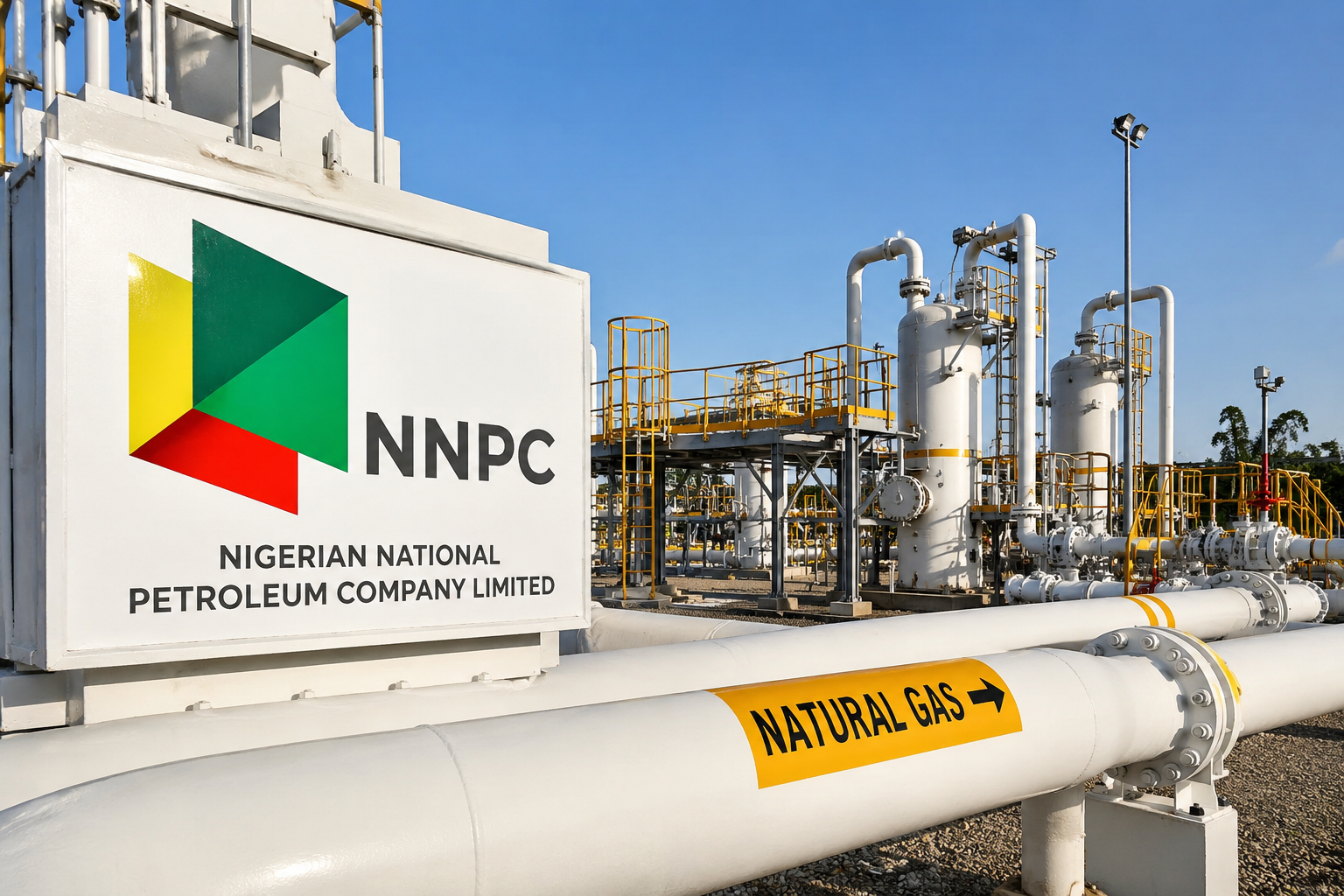
Oil & Gas
Nigeria Joins IEA to Deepen Global Energy Cooperation
Nigeria's entry into the International Energy Agency strengthens its voice in global energy policy while creating new opportunities for collaboration on energy access, investment and the country's long-term energy transition
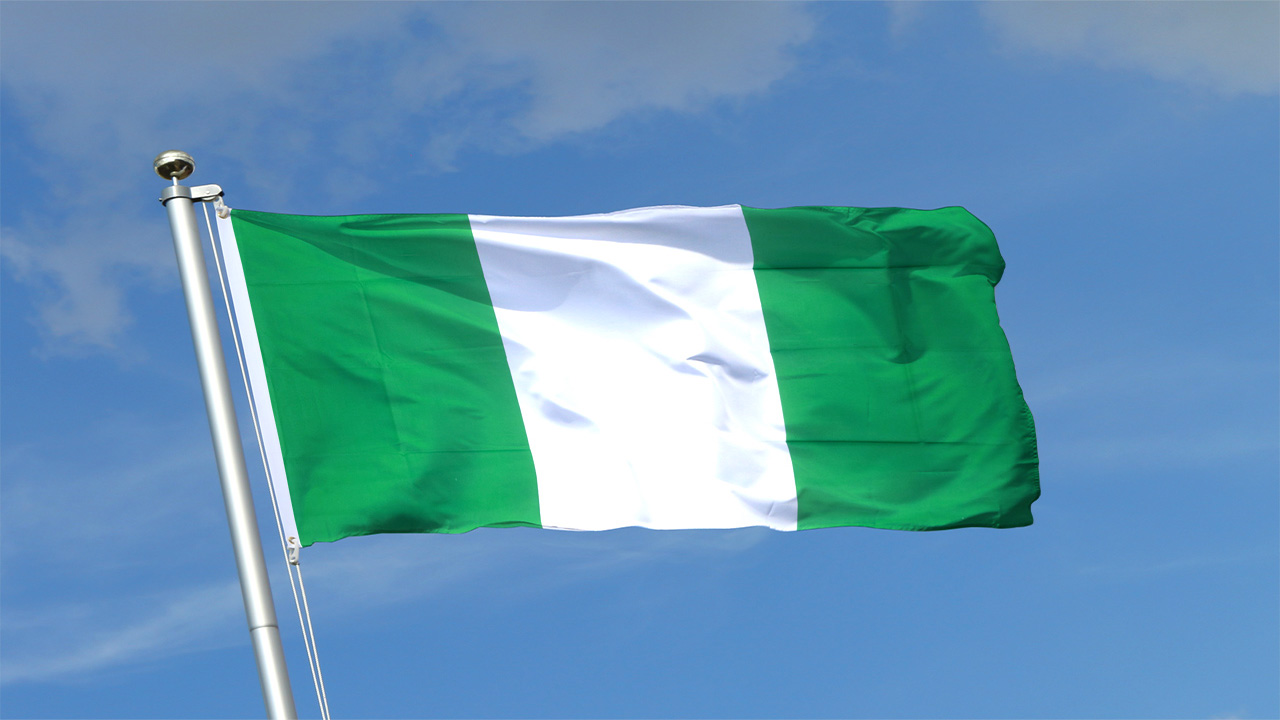
Nigeria has become an Association country of the International Energy Agency (IEA), strengthening its role in global energy governance and expanding cooperation on energy security, investment, electricity access and the transition to cleaner energy.
The IEA Governing Board unanimously approved Nigeria's admission into its Association programme, making Africa's largest economy the latest country to join a network of major energy producers and consumers working with the Paris-based agency.
The development marks a significant milestone for Nigeria, whose energy sector is undergoing wide-ranging reforms aimed at improving electricity supply, expanding domestic refining capacity and accelerating access to clean energy.
Welcoming the decision, IEA Executive Director, Fatih Birol, said closer cooperation would benefit both Nigeria and the agency.
"As Nigeria works to strengthen energy security, support economic growth and expand energy access, deeper cooperation with the IEA will bring important benefits for both sides. We look forward to building on our already strong partnership," Birol said.
He described Nigeria's admission as "a milestone for global energy governance."
Expanding Nigeria's role in global energy markets
With a population exceeding 240 million, Nigeria is Africa's largest oil producer, a major natural gas supplier and one of the continent's fastest-growing markets for decentralised renewable energy. However, millions of Nigerians still lack reliable electricity and access to clean cooking solutions, making energy access a key development priority.
Minister of State for Petroleum Resources (Gas), Ekperikpe Ekpo, described the development as an opportunity for stronger collaboration between Africa and the IEA.
"I encourage the African continent to embrace the IEA, as we all work together to achieve key development goals, including universal energy access and industrialisation," he said.
The IEA noted that Nigeria's growing influence in international energy markets has become increasingly evident in recent years. It cited the country's expanding refining capacity, which has helped strengthen fuel supply resilience during periods of market disruption, as well as rapid growth in decentralised solar deployment aimed at improving electricity access.
Nigeria joins 13 other Association countries collaborating with the IEA on policies that promote secure, affordable and sustainable energy systems. According to the agency, the expansion has increased the IEA network's share of global energy demand to more than 80 per cent, up from about 40 per cent in 2015.
The Association programme enables the IEA to work more closely with major energy-producing and consuming nations outside its full membership, strengthening international cooperation on energy policy, market stability and the transition to more sustainable energy systems.
Related Stories
Sign up for our newsletter.
Get the latest news, expert analysis, and industry insights delivered straight to your inbox. Join thousands of professionals shaping the future of energy.
By submitting my information, I agree to the Privacy Policy and Terms of Service.