Oil & Gas
Kenya Cuts Fuel Prices after Backlash as Ruto Defends Initial Hike
Kenya’s fuel price reversal highlights the delicate balance between global oil shocks and domestic policy, as governments struggle to cushion consumers while maintaining stable supply and fiscal discipline.
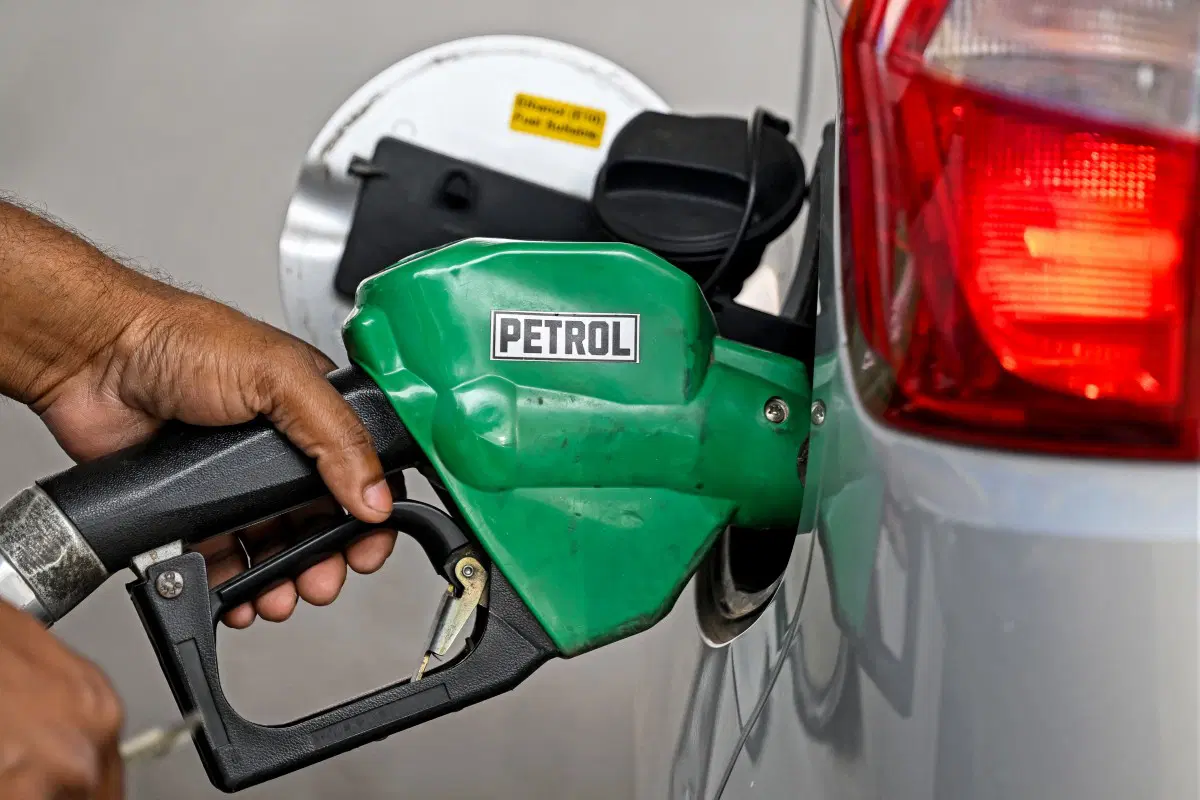
The Kenya government has reduced fuel prices following public backlash over a sharp increase that pushed pump prices above KSh200 per litre.
The adjustment came hours after the Energy and Petroleum Regulatory Authority announced a significant hike, citing rising global oil prices and increased shipping costs linked to tensions in the Middle East.
Under the initial review, diesel rose by KSh40.30 to KSh206.84 per litre, while petrol increased by KSh28.69 to KSh206.97. Kerosene prices were, however, maintained at KSh152.78.
The steep increase triggered widespread public outrage, prompting the regulator to revise prices downward. Petrol was reduced by KSh9.37 to KSh197.60 per litre, while diesel dropped by KSh10.21 to KSh196.63.
President William Ruto defended the earlier hike, stating that government interventions had already cushioned consumers from even higher costs.
Speaking during a rally in Kisii, Ruto said global supply disruptions, including attacks on refineries and shipping route blockades, had driven up fuel import costs, with diesel prices rising sharply in March.
He noted that the government had allocated KSh6.5bn for fuel subsidies and reduced value-added tax on petroleum products from 16 per cent to 13 per cent to ease the burden on households.
According to him, subsidies of KSh20.30 per litre for diesel and KSh4.92 for petrol were applied, while kerosene received higher support to keep its price stable.
Ruto added that the government’s strategy also focused on ensuring consistent fuel supply, noting that Kenya had avoided shortages seen in other countries.
Related Stories

Sign up for our newsletter.
Get the latest news, expert analysis, and industry insights delivered straight to your inbox. Join thousands of professionals shaping the future of energy.
By submitting my information, I agree to the Privacy Policy and Terms of Service.