Oil & Gas
Malawi Records Africa’s Highest Fuel Prices, Ranks Second Globally
Malawi’s surge to one of the world’s highest fuel price levels underscores deep economic vulnerabilities, with rising energy costs threatening inflation, food security and business sustainability.
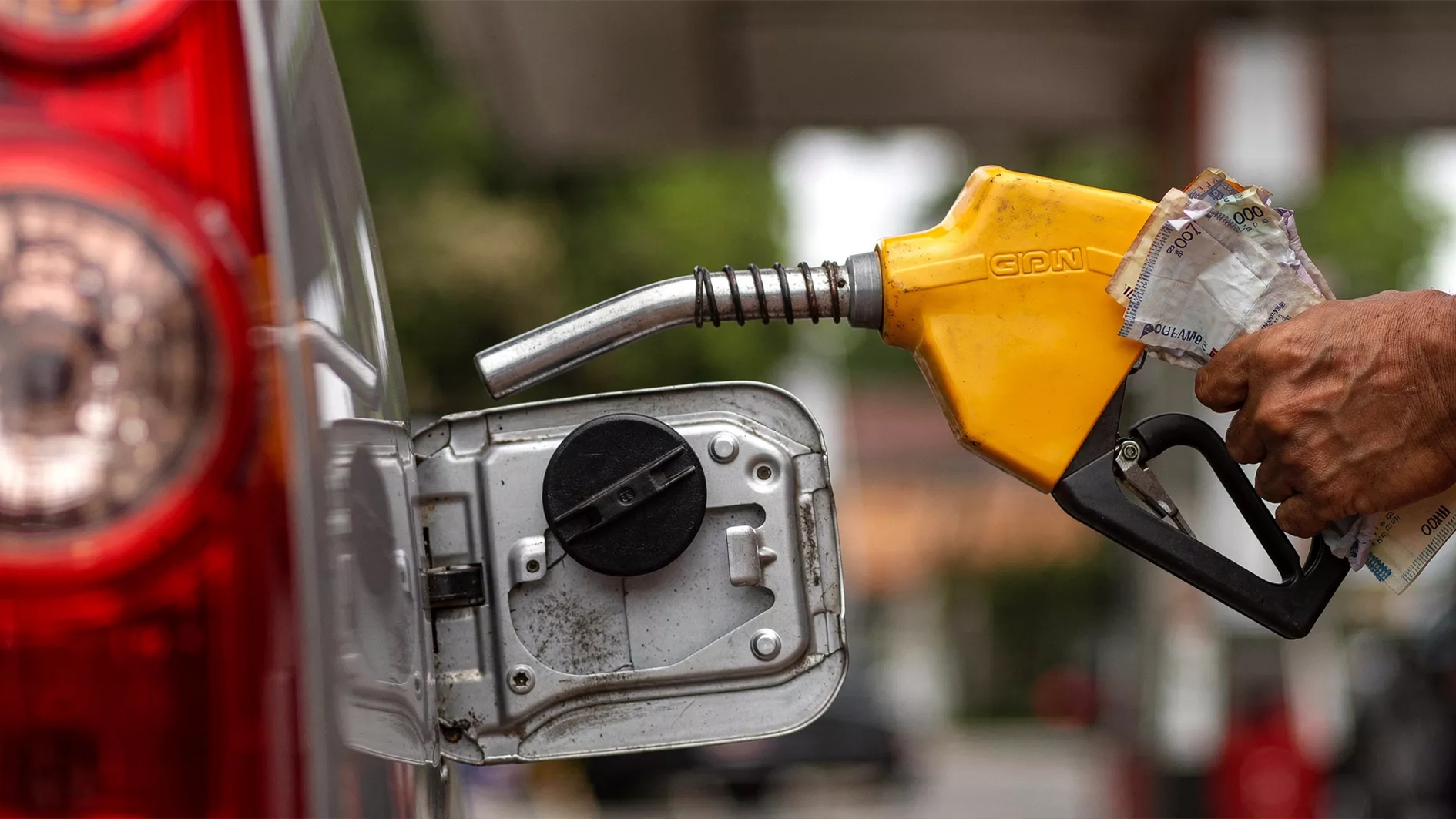
Malawi is facing mounting economic pressure after emerging as Africa’s most expensive fuel market and the second-highest globally, with petrol prices rising to $3.847 per litre.
The development, based on data from Business Insider Africa and GlobalPetrolPrices, has heightened concerns among households and businesses grappling with rising living costs.
The surge followed a sharp price adjustment implemented on April 1, 2026, by the Malawi Energy Regulatory Authority.
Under the review, petrol increased from K4,965 to K6,972 per litre, while diesel rose from K4,945 to K6,687. The new pricing places Malawi’s fuel costs at nearly $4 per litre, significantly above the global average of $1.48.
Analysts attribute the increase to a combination of global and domestic factors, including geopolitical tensions in the Middle East, particularly around key oil transit routes, as well as Malawi’s transition to a cost-reflective pricing system.
Authorities have defended the policy shift, noting that it is aimed at preventing fuel shortages and easing pressure on public finances.
However, the country’s persistent foreign exchange shortages and outstanding debts to international fuel suppliers have further driven up import costs, with additional charges introduced to offset liabilities.
The impact of the price surge is already reverberating across key sectors of the economy.
Transport operators have begun raising fares, while logistics firms warn of higher costs for goods movement, likely to push up retail prices. In the agricultural sector, rising diesel costs threaten production and distribution, raising concerns about food security.
Small and medium-sized enterprises are also under strain, with many reporting shrinking profit margins due to increased operating costs.
Compared to neighbouring countries such as Zambia and South Africa, which have introduced measures to cushion consumers, Malawi’s limited fiscal capacity has left it more exposed to global price shocks.
Economists warn that the rising cost of fuel could further intensify inflationary pressures, deepening the country’s cost-of-living crisis as households struggle to cope with higher transport and food prices.
Related Stories
Sign up for our newsletter.
Get the latest news, expert analysis, and industry insights delivered straight to your inbox. Join thousands of professionals shaping the future of energy.
By submitting my information, I agree to the Privacy Policy and Terms of Service.