Power
Kenya Power Nears Completion of Lodwar Grid Connection
Kenya Power's Lodwar grid connection illustrates how displacing diesel generators can pay for itself within a single year of fuel savings.
Kenya Power is nearing completion of two projects worth a combined KSh1.01 billion ($7.8 million) that will connect Lodwar, the commercial hub of Turkana County, to the national electricity grid, the company said.
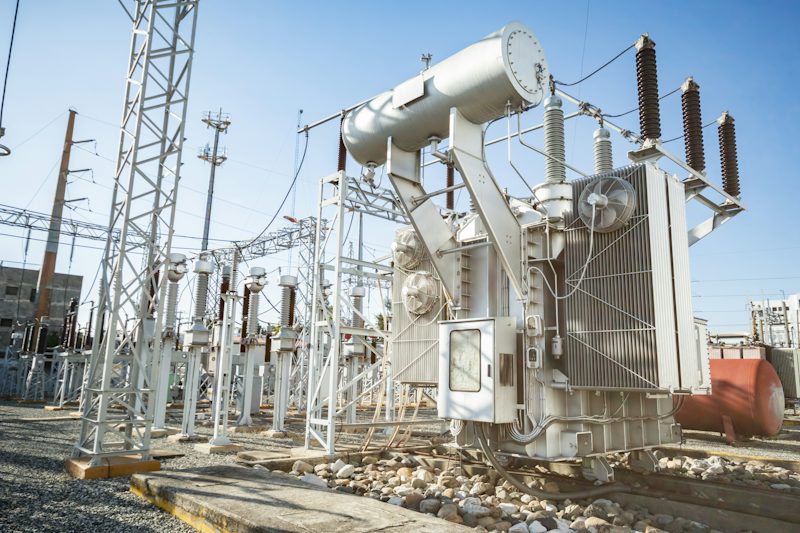
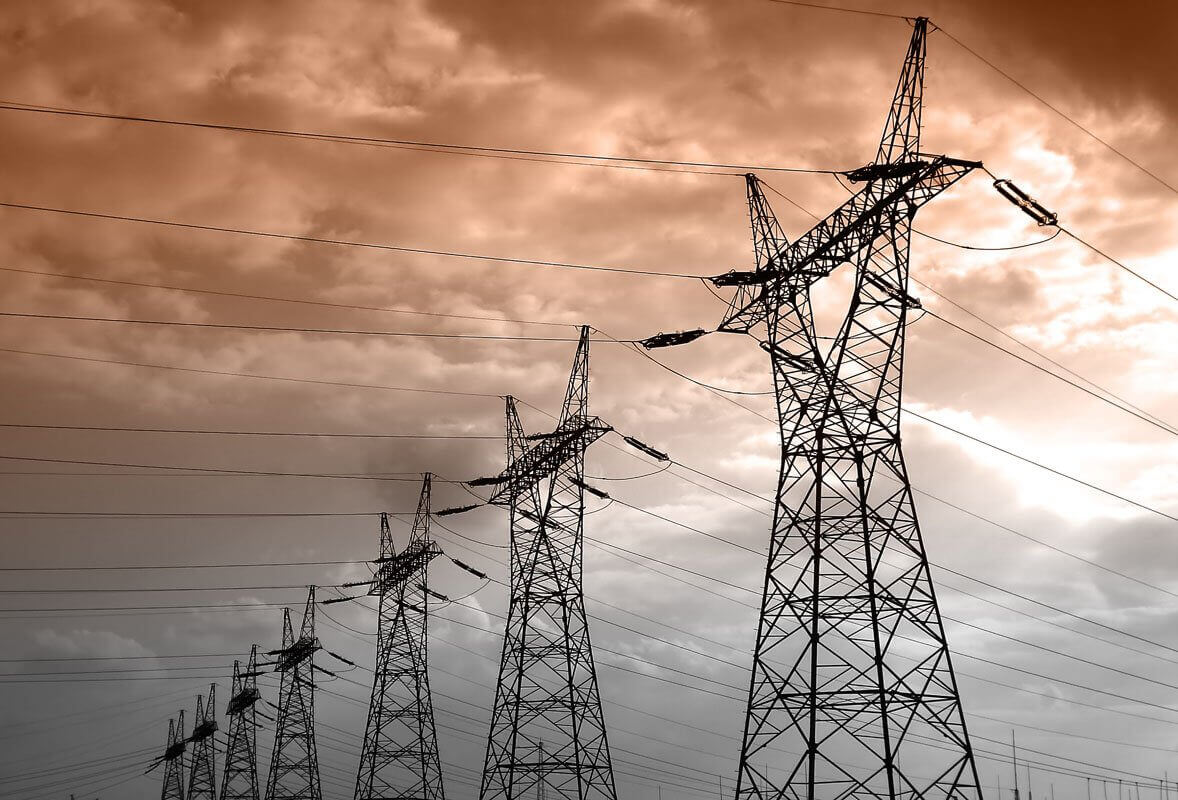
The projects comprise a 66/11-kilovolt substation in Lodwar and a 90-kilometre, 66-kilovolt transmission line between Lokichar and Lodwar, both funded by the Kenyan government. Once completed, they are expected to provide more stable and reliable electricity to more than 80,000 residents in Lodwar and surrounding areas.
"This is one of those projects which we hold very dear to us," Kenya Power Managing Director and Chief Executive Joseph Siror said in a statement.
Diesel generators have struggled to meet demand
Residents of Lodwar and its environs currently rely on diesel-powered generators operated by Kenya Power, which the company said cost about KSh900 million a year to run. The generators have struggled to meet demand, particularly during periods of high temperatures, resulting in breakdowns and power rationing.
"Connecting this town to the grid means that the residents here will enjoy stable and reliable electricity to power their livelihoods," Siror said, adding that the switch to grid power is also expected to reduce diesel use and associated emissions.
He noted that the roughly KSh1.01 billion cost of building the transmission line and substation is close to what the company currently spends on diesel in a single year. "Once these projects are complete, we are looking at a situation where what we are saving just in terms of diesel costs for a year is equivalent to the cost of building the line and the substation," Siror said.
Grid power seen boosting trade and services
Kenya Power said the grid connection could support growth in livestock trade, tourism, agribusiness and mining in Turkana County, while creating employment opportunities. It is also expected to improve electricity access for schools, healthcare facilities, businesses and information and communications technology hubs, with reliable power helping hospitals and clinics maintain vaccines and other temperature-sensitive medical supplies.
The company did not provide a specific completion date for the two projects. Once they are finished, how quickly Lodwar's diesel-dependent generation is phased out is likely to determine how soon the projected annual savings materialise.
Related Stories
Sign up for our newsletter.
Get the latest news, expert analysis, and industry insights delivered straight to your inbox. Join thousands of professionals shaping the future of energy.
By submitting my information, I agree to the Privacy Policy and Terms of Service.