Renewables |Power
Mission 300: Distributed Solar Key to Connecting 70m Nigerians to Electricity
Government subsidies and payment plans are being used to help more households and businesses access solar equipment as Nigeria records millions of new off-grid connections.
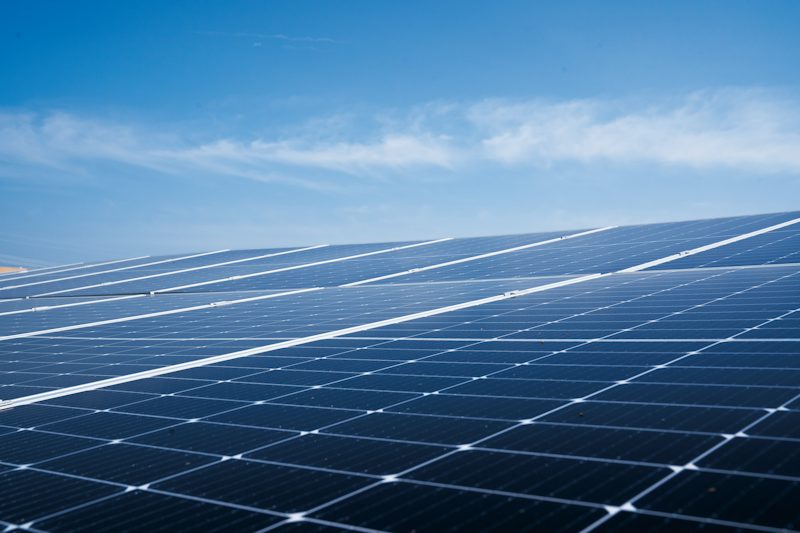
More than 70 million Nigerians without electricity could gain access to power through distributed solar, the Technical Lead for Mission 300 in Nigeria, Dayo Olowoniyi, has said.
Olowoniyi spoke on Friday in Lagos at a renewable energy product launch organised by Sun King, where he said solar was one of the fastest ways to provide electricity to people outside the national grid.
His comments came as Nigeria recorded more than five million new off-grid connections between 2025 and 2026.
Mission 300 is a programme that aims to connect more than 300 million Africans to electricity. Olowoniyi said the programme was monitoring new connections in Nigeria, including solar home systems and equipment used by businesses.
Subsidy helps companies cut solar costs
The Federal Government is using its DARES programme to help renewable energy companies provide cheaper solar systems, Olowoniyi said.
DARES, implemented by the Rural Electrification Agency, provides capital subsidies to renewable energy firms. The programme is supported by the World Bank with $750 million.
Olowoniyi said the funding was helping companies deploy solar equipment in rural and low-income communities where many people could not afford such systems without support.
“The Federal Government cannot do it alone,” he said, stressing the need for greater participation from state governments and private companies in expanding solar power across Nigeria.
He also said continued access to capital and private-sector participation would be needed to sustain new electricity connections.
For Lagos, renewable energy could also help small businesses use equipment that depends on reliable electricity, Titilayo Osodi, Special Adviser to the Lagos State Governor on Climate Change and Circular Economy, said.
Osodi said dependable power could help businesses operate freezers and other appliances. She also identified education, food preservation, water and sanitation as areas that could benefit from reliable energy.
She said payment options that allow households and businesses to pay for renewable energy systems in instalments could make the products easier to access for people with lower incomes.
Osodi also said greater use of renewable energy among Micro, Small and Medium Enterprises could increase commercial activity and contribute to economic growth in Lagos State.
Payment plans open access to solar equipment
The cost of buying solar equipment at once was identified as a major barrier to adoption by Sun King Nigeria Country Business Manager, Lisbon Ogunsanmi.
He said Sun King’s monthly solar-system sales had risen from about 3,000 units to around 100,000 units.
Ogunsanmi said the company had trained more than 200 installers and operated over 136 shops, with after-sales teams across the country.
He said financing arrangements that allow customers to pay over time could help households and businesses overcome the high upfront cost of solar systems.
The company’s Vice President, Pay-As-You-Go Sales, West and Central Africa, Omoyemi Tuga, said Sun King had introduced a 5 KVA Power Hub that can be expanded to 30 KVA.
The company also introduced a 210-litre Power Freeze for households and businesses.
Tuga said the Power Freeze can use solar power during the day and battery power at night. He said the Power Hub can support homes, businesses, schools and hospitals.
Under Sun King’s EasyBuy financing model, customers make an initial payment and then pay weekly or monthly for one to two years, depending on the product.
Tuga said customers could access the 5 KVA Power Hub with a down payment from N340,000. He also said the Power Freeze would soon be commercially available.
Sun King Vice President, Global Affairs and Marketing, Catherine Mudachi, said the financing system allows small businesses to pay for energy equipment from their business income instead of paying the full cost upfront.
She said customers could work towards owning the equipment as they spread the cost over time.
Related Stories
Sign up for our newsletter.
Get the latest news, expert analysis, and industry insights delivered straight to your inbox. Join thousands of professionals shaping the future of energy.
By submitting my information, I agree to the Privacy Policy and Terms of Service.