Oil & Gas
Kenya, Tanzania Begin Joint Gas Pipeline Study
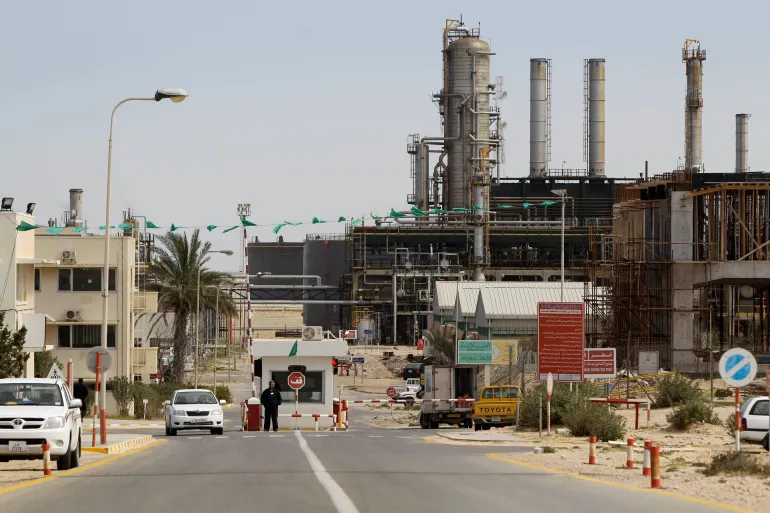
Kenya and Tanzania have launched a joint feasibility study for a proposed gas pipeline linking Dar es Salaam and Mombasa, while formally commencing cross-border electricity trade to strengthen regional energy integration and industrial growth across East Africa.
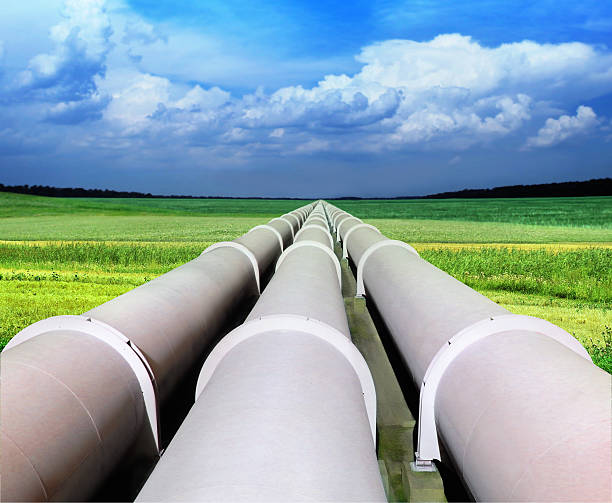
Kenya and Tanzania have agreed to begin a joint feasibility study for a natural gas pipeline linking Dar es Salaam and Mombasa as both countries intensify efforts to strengthen regional energy integration and support industrial growth across East Africa.
The agreement was signed in Dar es Salaam during Kenyan President William Ruto’s state visit to Tanzania hosted by President Samia Suluhu Hassan.
The two countries also formally commenced cross-border electricity trade through interconnected regional power grids in a move expected to improve electricity supply stability and reduce energy shortages in both countries.
The visit produced eight bilateral agreements covering energy, trade, transport infrastructure, agriculture and security cooperation.
Under the new arrangement, Kenya and Tanzania will jointly assess the technical, financial and environmental viability of transporting natural gas from Tanzania’s vast reserves to Kenya’s coastal and industrial markets.
Officials from both countries said the proposed gas pipeline would strengthen energy security, lower fuel costs for industries and support economic expansion across the East African corridor.
Tanzania is estimated to hold more than 57 trillion cubic feet of proven natural gas reserves, making it one of East Africa’s leading gas producers.
Kenya, on the other hand, has continued to face growing industrial energy demand as the government pushes manufacturing and infrastructure development under its economic growth agenda.
Energy officials said the commencement of electricity trading between the two countries would allow power exchange through regional transmission networks, helping both nations manage supply fluctuations during periods of high demand.
The development is also expected to improve grid reliability and reduce dependence on expensive emergency power generation.
Regional electricity interconnections have become increasingly important across East Africa as governments seek to lower energy costs, improve electricity access and support industrialisation.
The proposed gas pipeline project will proceed in phases, beginning with the feasibility study which will determine whether the investment is commercially viable and environmentally sustainable.
However, electricity trading is expected to advance more rapidly because of existing regional interconnection frameworks under the East African Community.
Speaking during the visit, President Ruto said non-tariff barriers and administrative bottlenecks had continued to slow trade and investment flows between both countries.
According to officials, bilateral trade between Kenya and Tanzania reached about $860m in 2025, although both governments insist the figure remains below potential.
The two countries pledged to remove outstanding trade barriers before the end of May 2026 and agreed to establish joint monitoring mechanisms to ensure implementation.
Kenyan officials estimate that removing those restrictions could unlock up to $500m in additional cross-border investments over the next three years, particularly in manufacturing, transport, logistics and energy-intensive industries.
Discussions during the visit also covered rail infrastructure, maritime transport, road corridor development and plans for a proposed railway linking northern Tanzania to Kenya.
Both countries are regarded as key transit and trade hubs within East Africa, serving several landlocked nations including Uganda, Rwanda, Burundi and parts of the Democratic Republic of Congo.
The proposed gas pipeline also aligns with wider efforts by African countries to use natural gas as a transition fuel to support industrialisation and electricity generation while renewable energy investments continue to expand across the continent.
Analysts said the success of the agreements would largely depend on implementation, financing arrangements and regulatory coordination between both governments.
If completed, the pipeline project is expected to strengthen East Africa’s regional energy market and support broader efforts aimed at improving trade, industrial growth and economic integration across the region.
Related Stories



Sign up for our newsletter.
Get the latest news, expert analysis, and industry insights delivered straight to your inbox. Join thousands of professionals shaping the future of energy.
By submitting my information, I agree to the Privacy Policy and Terms of Service.