Oil & Gas
Kenyan Villagers Sue BP over Alleged Toxic Waste from 1980s Oil Exploration
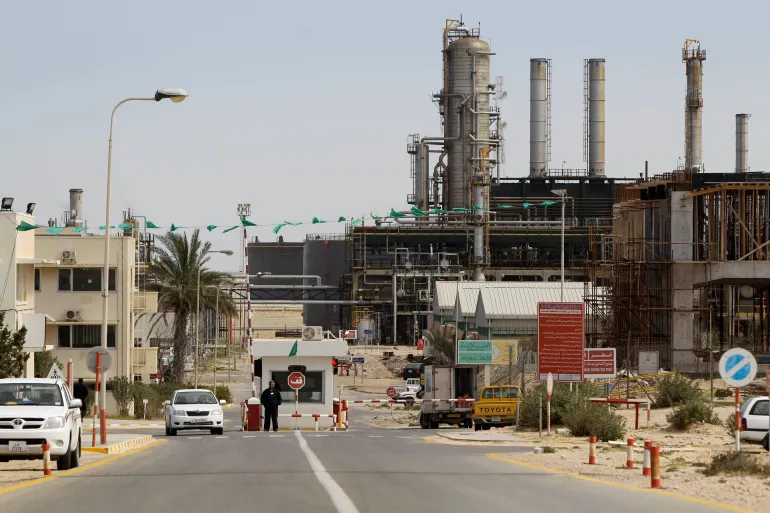
Kenyan villagers have sued BP over alleged toxic waste left behind during oil exploration in the 1980s, accusing the oil giant of contaminating water sources and causing widespread cancer cases and environmental damage in northern Kenya.

Residents of Kargi village in Kenya’s remote Chalbi Desert have taken British energy giant, British Petroleum (BP) to court over allegations that toxic waste left behind during oil exploration activities in the 1980s has caused widespread illness, deaths and environmental damage in the community.
The lawsuit, filed before Kenya’s Environment and Land Court in Isiolo in February 2026, was brought by 299 petitioners who claim hazardous materials abandoned by Amoco Corporation, later acquired by BP in 1998, contaminated local water sources and exposed residents to dangerous chemicals for decades.
The villagers accuse the oil company of improperly disposing of drilling waste during exploration operations carried out between 1985 and 1990 in northern Kenya. According to court documents, Amoco drilled ten wells in the Anza and Mandera basins before abandoning the sites after failing to discover commercially viable oil reserves.
Petitioners alleged that radioactive materials and toxic substances, including arsenic, lead, nitrates and radium isotopes, seeped into underground water systems relied upon by local communities and livestock.
The Kenyan High Court on April 16 allowed the matter to proceed as a group lawsuit, paving the way for affected residents to jointly pursue compensation and environmental remediation.
Court filings seen by local media claimed that more than 500 people may have died from cancers and other illnesses linked to contaminated water sources in the area, while thousands of livestock were also reportedly lost over the years.
Residents of the arid region depend heavily on boreholes and shallow wells for drinking water due to the absence of piped water infrastructure. Petitioners argued that contamination of groundwater effectively endangered the survival of entire communities already struggling with poverty and limited healthcare access.
One of the allegations contained in the suit stated that some villagers unknowingly used chemical residues left near drilling locations for cooking after mistaking the white substances for natural salt.
Lawyers representing the villagers described the alleged environmental damage as severe and long-lasting, accusing authorities and oil firms of neglecting affected communities for decades.
“The documented acts and omissions constitute environmental genocide,” lawyer Kelvin Kubai told the court during proceedings.
The case also raises broader questions about corporate responsibility following mergers and acquisitions. Petitioners argued that BP inherited liabilities tied to Amoco’s operations after the British multinational acquired the American oil company in a deal valued at about $48bn in 1998.
Legal analysts said the outcome could establish an important precedent regarding the responsibility of multinational corporations for historical environmental damage linked to acquired subsidiaries.
Apart from BP, the suit names 11 other defendants, including Kenya’s National Oil Corporation and the National Environment Management Authority.
The petitioners accused state institutions of failing to investigate or respond adequately to evidence of contamination despite growing health concerns in affected communities.
Kenya’s environmental regulator reportedly argued that modern environmental laws were enacted after the exploration activities occurred, though the court is expected to examine whether ongoing harm creates continuing liability.
British Petroleum (BP) has not publicly responded in detail to the allegations. Reports indicated that company representatives attended an earlier court session virtually but declined requests for interviews.
The lawsuit is attracting growing international attention amid wider debates over environmental accountability in Africa’s extractive industries sector, particularly in communities affected by legacy oil and gas operations.
Related Stories


Sign up for our newsletter.
Get the latest news, expert analysis, and industry insights delivered straight to your inbox. Join thousands of professionals shaping the future of energy.
By submitting my information, I agree to the Privacy Policy and Terms of Service.