Oil & Gas
Kenyan Youth Stage Protests in Nairobi over Rising Fuel Prices
Planned youth protests in Nairobi over fuel price hikes highlight rising economic pressure, growing civic activism, and increasing scrutiny on government efforts to manage cost-of-living challenges in Kenya.
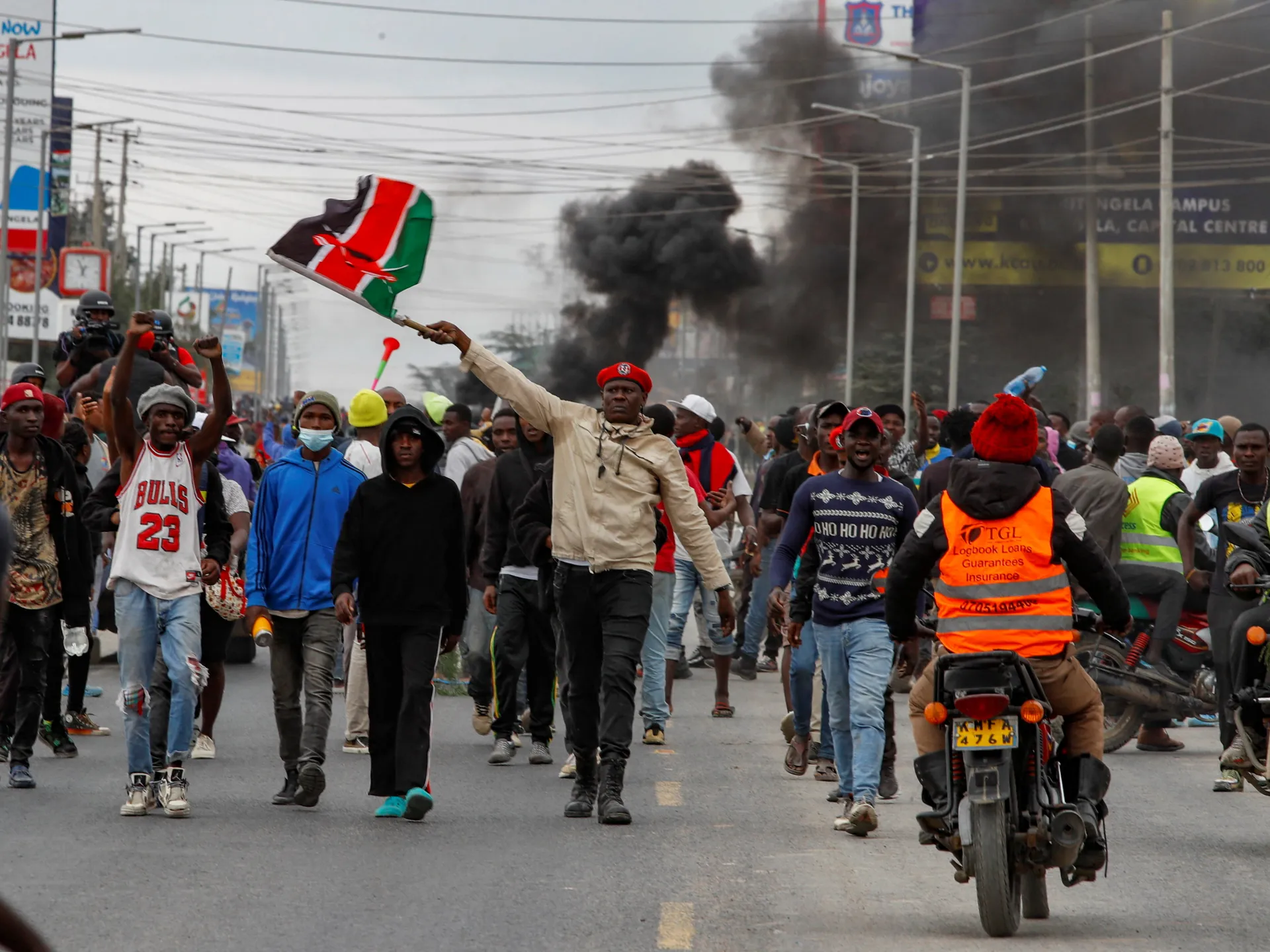
Thousands of young Kenyans are expected to take to the streets of Nairobi on Tuesday to protest recent increases in petrol and diesel prices, amid growing concerns over the rising cost of living.
The demonstrations, organised largely through social media under the hashtag #RejectFuelPrices, are anticipated to draw significant participation from youth groups expressing dissatisfaction with current fuel pricing and broader economic pressures.
However, the government has cautioned against the protests, warning of potential economic consequences. Government Spokesperson, Isaac Mwaura, urged organisers to reconsider the action and instead engage authorities through dialogue.
Speaking at a press briefing on Monday, Mwaura referenced the economic impact of previous demonstrations, noting that protests in 2024 resulted in losses exceeding KSh6 billion, according to data from the Kenya Revenue Authority.
“We want to strongly urge against the protests set for tomorrow. During the 2024 protests, we lost over KSh6 billion. Will it benefit Kenyans? Will it even lower the price of fuel?” he said.
He added that while the government respects the constitutional right to peaceful assembly, large-scale protests often disrupt economic activities, strain public resources and negatively impact businesses and livelihoods.
“Such actions come with a cost to the economy and affect livelihoods. We encourage those behind the planned demonstrations to pursue dialogue rather than confrontation,” he stated.
Despite the government’s appeal, momentum for the protests continues to build online, with many young people citing the rising cost of fuel as a major contributor to increased transport fares and general living expenses.
Authorities have in recent weeks assured citizens that measures are being explored to stabilise fuel prices and cushion the effects of global market fluctuations.
Meanwhile, former Deputy President, Rigathi Gachagua, has expressed support for the planned demonstrations, stating that young people have the right to organise and voice their concerns independently.
He, however, clarified that the formal opposition would not be directly involved in the protests, describing the civic engagement of Kenyan youth legitimate within a democratic system.
The planned protests underscore growing public frustration over economic conditions in Kenya, particularly among the youth, as pressure mounts on the government to address rising fuel costs and their wider impact on livelihoods.
Related Stories



Sign up for our newsletter.
Get the latest news, expert analysis, and industry insights delivered straight to your inbox. Join thousands of professionals shaping the future of energy.
By submitting my information, I agree to the Privacy Policy and Terms of Service.