Oil & Gas
Local Refining Cuts Fuel Imports Despite Nigeria’s $1.39bn Crude Oil Purchases
Nigeria’s fuel import bill dropped by 87.5% in Q1 2026 as local refining expanded.

Nigeria’s refining capacity helped slash fuel import costs in the first quarter of 2026, even as the country spent $1.39 billion importing crude oil to keep refineries running.
Data from the Central Bank of Nigeria (CBN) showed that imports of refined petroleum products fell sharply to $310 million in Q1 2026. This represents an 87.5 per cent drop from the $2.48 billion recorded in the last quarter of 2025.
The decline suggests that more fuel is now being produced locally, reducing Nigeria’s long-standing dependence on imported petrol and other refined products.
However, the same report showed that Nigeria spent $1.39 billion importing crude oil during the quarter, up from $340 million in Q4 2025. The increase reflects demand for crude feedstock by domestic refineries.
Local refining reduces fuel import burden
According to the CBN Balance of Payments report, total imports of crude oil, gas and refined petroleum products stood at $1.70 billion in the first quarter of 2026. Crude oil accounted for about 81.8 per cent of that figure.
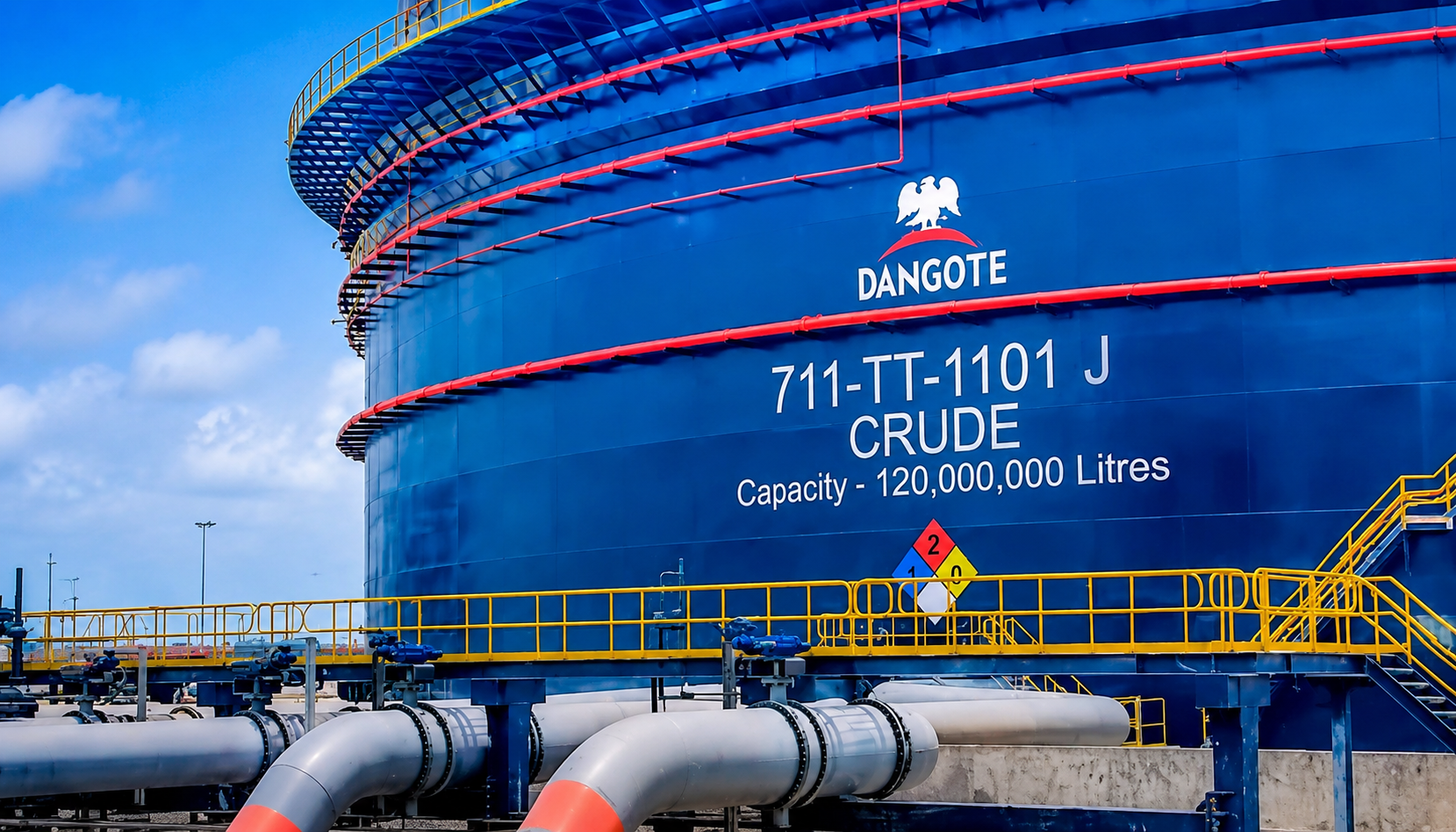
Industry data indicate that the rise in crude imports was largely linked to the operations of the Dangote Petroleum Refinery in Lekki, Lagos. The refinery has continued to expand production, increasing its demand for crude oil.
Although Nigeria allocated 61.9 million barrels of crude to domestic refineries during the quarter, only 28.5 million barrels were delivered. The supply gap forced refiners to source additional crude from countries including the United States and Brazil.
The development highlights the challenge of ensuring steady crude supply to local refineries despite Nigeria’s position as Africa’s largest oil producer.
Strong exports support trade performance
Despite the higher crude import bill, Nigeria recorded a stronger external trade position during the period. The CBN report showed that total exports rose to $15.49 billion in Q1 2026, compared with $13.36 billion in the previous quarter.
As a result, the country’s current account surplus increased significantly to $4.98 billion from $1.40 billion in Q4 2025. The figures suggest that export earnings remained strong enough to offset rising crude import costs.
While Nigeria continues to spend billions of dollars importing crude for local refining, the sharp fall in fuel imports points to a major shift in the country’s energy sector.
The challenge now is improving domestic crude supply so local refineries can rely less on foreign feedstock and sustain the gains made in reducing fuel imports.
Related Stories




Sign up for our newsletter.
Get the latest news, expert analysis, and industry insights delivered straight to your inbox. Join thousands of professionals shaping the future of energy.
By submitting my information, I agree to the Privacy Policy and Terms of Service.