Oil & Gas
Over 120,000 Vehicles Switch to CNG as Motorists Seek Cheaper Fuel
More vehicle owners are embracing compressed natural gas as the government expands conversion centres and pushes alternative transport energy across Nigeria.
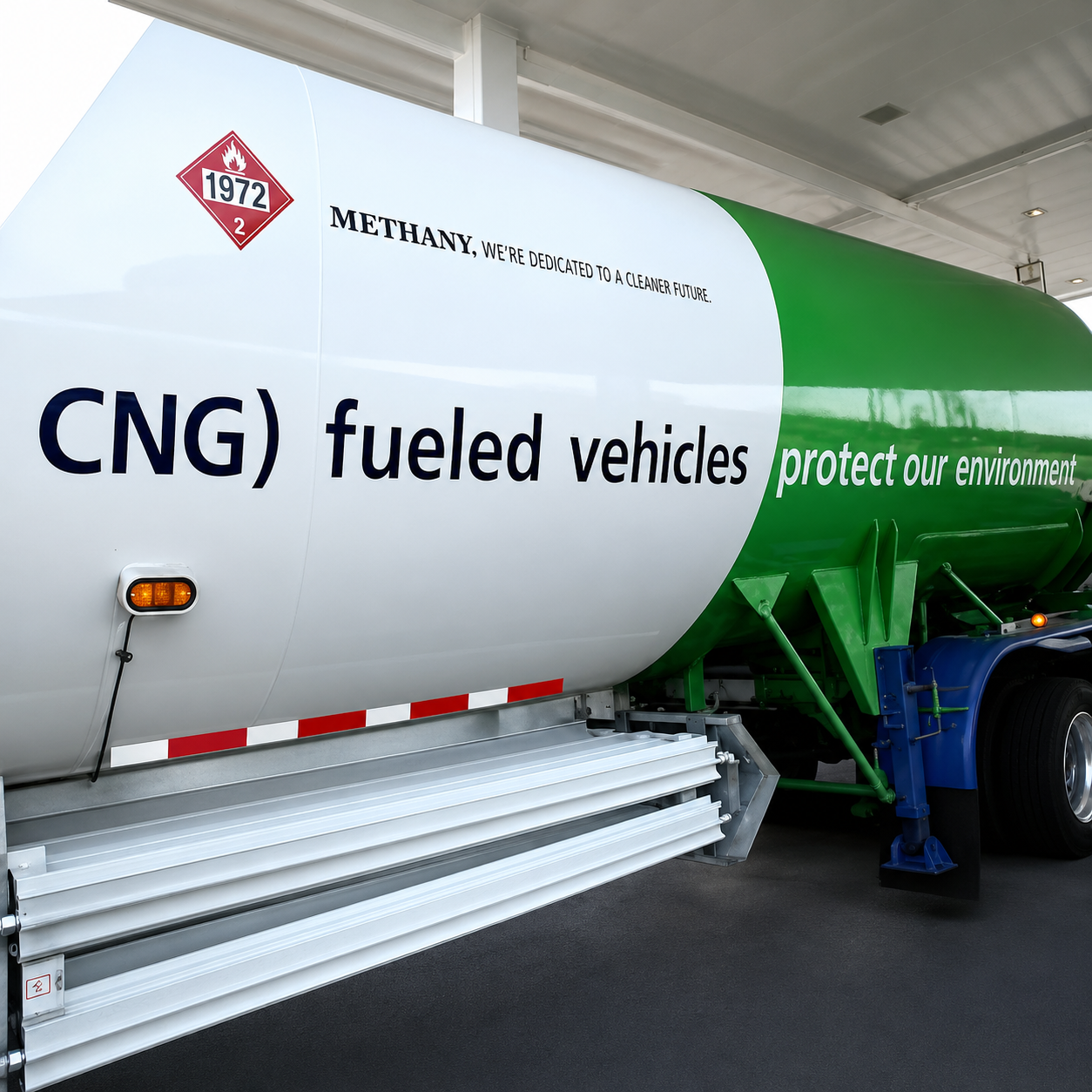
More than 120,000 vehicles have been converted to Compressed Natural Gas (CNG) across Nigeria as motorists search for a cheaper way to power their vehicles after the removal of petrol subsidy.
The Presidential Initiative on Compressed Natural Gas and Electric Vehicles (PiCNG-EV) disclosed this on Friday in Port Harcourt during a media awareness session organised by the Decade of Gas Initiative.
Chief Operating Officer of PiCNG-EV, Tosin Coker, said the increasing number of converted vehicles shows that many Nigerians are turning to CNG because it costs less than petrol and diesel.
He said the Federal Government introduced the programme after fuel subsidy removal pushed petrol prices higher and increased transport costs for many citizens.
“The subsidy on petrol was pulled. That immediately impacted every Nigerian because the cost of petrol went up. So when you do a policy like that, you need to bring an alternative. That is what we are doing with CNG,” Coker said.
More conversion centres expected
Coker said the government is supporting the expansion of conversion centres across the country to make the switch easier for motorists.
He revealed that Port Harcourt currently has about seven or eight licensed conversion centres accredited by the National Automotive Design and Development Council (NADDC).
He said more centres are expected to begin operations in the coming weeks.
The PiCNG-EV official also said government agencies have been directed to convert their vehicles to CNG or buy vehicles that run on the fuel.
He explained that vehicle conversion involves installing special kits and gas tanks that allow motorists to use both conventional fuel and CNG.
Stable fuel prices attract motorists
Coker said many vehicle owners are showing interest in CNG because its price has remained stable in recent months.
He noted that petrol and diesel prices often change due to events in the international oil market, while CNG has remained largely unaffected.
“Price of CNG did not change over the last three, four months, whereas the price of petrol and diesel has gone up and down,” he said.
He also stressed that Nigeria has large gas reserves that can support wider use of CNG for transportation.
Coker said the government is creating opportunities for private investors to establish more conversion centres and refuelling stations.
He encouraged motorists to take advantage of available financing options and convert their vehicles.
The media engagement also featured discussions on the need for accurate reporting of developments in the oil and gas sector, urging journalists to report industry issues carefully and avoid misleading information that could create wrong public impressions about gas-powered vehicles.
Related Stories

Sign up for our newsletter.
Get the latest news, expert analysis, and industry insights delivered straight to your inbox. Join thousands of professionals shaping the future of energy.
By submitting my information, I agree to the Privacy Policy and Terms of Service.