Power
NERC Approves Additional Power Supply Capacity for Industrial Consumers
Large manufacturers and commercial electricity users in Nigeria are set to benefit from expanded direct power purchase arrangements following fresh regulatory approvals designed to improve supply efficiency and attract more private investment into the country’s struggling power sector.
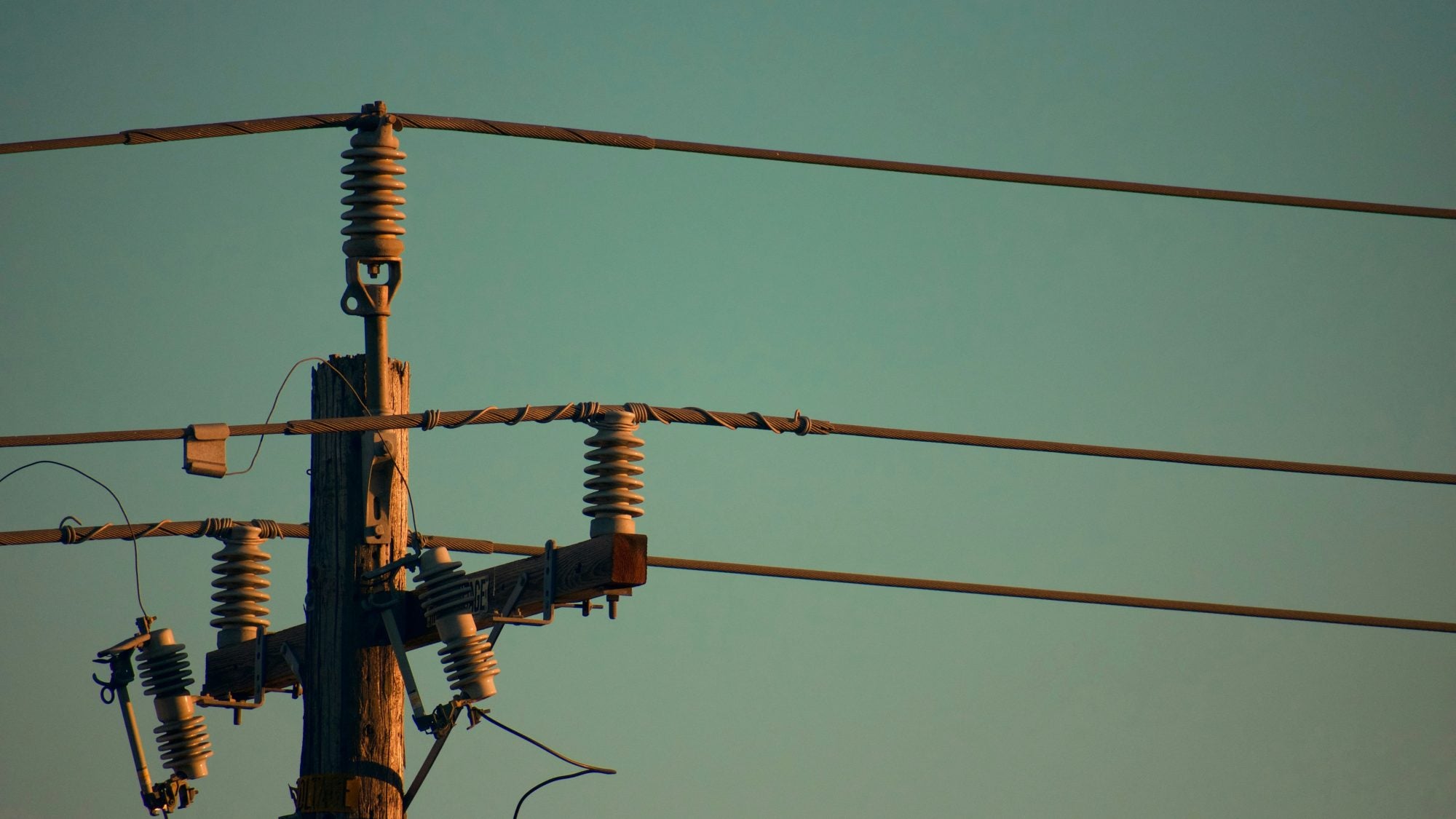
The Nigerian Electricity Regulatory Commission (NERC) has approved additional electricity supply capacity under the Eligible Customer and Content Integrated frameworks as part of efforts to improve power supply reliability for large industrial and commercial consumers across the country.
The development is expected to strengthen direct electricity transactions between generation companies and qualified high-volume consumers, allowing businesses to secure more stable power outside the conventional distribution network.
The approval aligns with ongoing reforms under the Electricity Act 2023, which supports decentralisation, private sector participation and increased competition within Nigeria’s electricity market.
Under the framework, eligible customers with sufficient technical and financial capacity are permitted to enter into direct electricity purchase agreements with power generation companies through a willing buyer, willing seller arrangement.
Industry stakeholders say the move could help reduce pressure on the national grid while improving utilisation of existing generation capacity that often remains underused because of transmission bottlenecks and distribution constraints.
Despite having an installed generation capacity of more than 13,000 megawatts, Nigeria continues to struggle with low electricity delivery, with average available power frequently hovering around 4,000MW due to gas supply limitations, ageing infrastructure and grid weaknesses.
The new capacity approvals are expected to allow generation companies to channel available electricity directly to industrial consumers capable of paying cost-reflective tariffs.
The arrangement is also projected to support industrial productivity, particularly among manufacturers that rely heavily on diesel-powered generators because of unreliable electricity supply from the grid.
Large industrial users, including cement manufacturers, steel producers and technology-driven businesses, are expected to benefit from improved power stability and potentially lower operating costs through dedicated supply agreements.
NERC said implementation of the framework would remain subject to strict regulatory supervision to ensure compliance with technical and operational standards required to maintain national grid stability.
The commission also noted that revenues generated from the direct supply arrangements could contribute to broader electricity sector development and infrastructure improvements.
Energy analysts opined that the expansion of the Eligible Customer and CI frameworks may encourage fresh investment in generation and embedded power infrastructure while gradually supporting the transition toward a more competitive and flexible electricity market in Nigeria.
Related Stories


Sign up for our newsletter.
Get the latest news, expert analysis, and industry insights delivered straight to your inbox. Join thousands of professionals shaping the future of energy.
By submitting my information, I agree to the Privacy Policy and Terms of Service.
