Power |Finance
Eight Largest GenCos Join Tinubu’s N3.3tn Power Debt Deal
The agreement, which covers 15 power plants operated by six private companies and two state-owned entities, signals a strong commitment to clear the heap of unpaid obligations that has strangled investment, crippled maintenance schedules, and kept the lights off for millions of Nigerians.
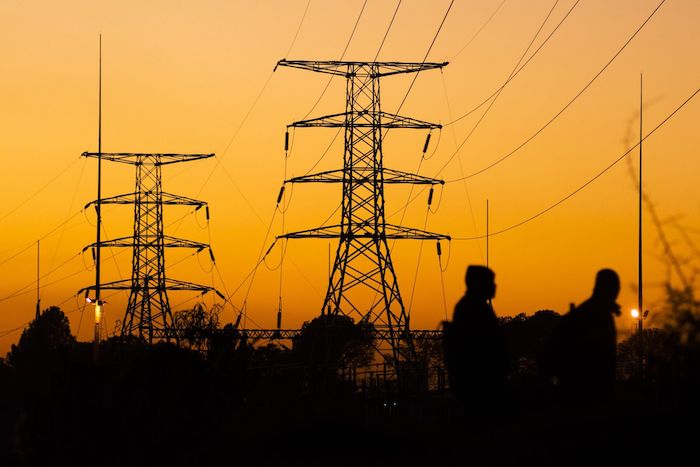
Eight largest power generation companies in Nigeria have signed onto President Bola Tinubu’s N3.3 trillion debt settlement programme, multiple reports indicate.
The power companies include Transcorp Power, Egbin Power, and Geregu Power Plc including five others in a deal described as pivotal and timely in a bid to restore liquidity to an electricity sector that has suffered a financial crisis for nearly a decade.
The agreement, which covers 15 power plants operated by six private companies and two state-owned entities, signals a strong commitment to clear the heap of unpaid obligations that has strangled investment, crippled maintenance schedules, and kept the lights off for millions of Nigerians.
Concerns abound
Meanwhile, despite the signing of eight companies controlling fifteen generation plants, there are l concerns in some quarters within the sector.
As earlier reported by AEP, Joy Ogaji, chief executive officer (CEO) of the Association of Power Generation Companies, stated that the figure circulating in government communications bears no resemblance to numbers agreed upon during the most recent formal reconciliation between power companies and state agencies, a process that concluded in March 2025.
“We need to understand how this N3.3 trillion was computed,” Ogaji said. “We don’t know how the government arrived at that figure. Does it represent the GenCos’ only invoices? Does it represent the GasCo? Does it cover 2015 to 2024? The questions are endless.”
“The GenCos supply power via a power purchase agreement with all the terms as approved,” Ogaji said. “The outstanding falls into different categories, unpaid invoices for power generated and consumed from 2015 to date, capacities made available and tested by NBET annually, deemed capacity, forex differentials, supplementary charges associated with start-ups and shutdowns,” she added.
Since the privatisation of the country’s power assets in 2013, the electricity value chain has operated under a regime of chronic underpayment, where distribution companies collect less revenue than the cost of electricity they receive, passing a financial shortfall back up the chain to generators who, in turn, cannot pay their gas suppliers.
These issues have resulted in a sector trapped in a permanent liquidity crisis, with each participant owed money and owing money simultaneously.
Related Stories
Sign up for our newsletter.
Get the latest news, expert analysis, and industry insights delivered straight to your inbox. Join thousands of professionals shaping the future of energy.
By submitting my information, I agree to the Privacy Policy and Terms of Service.