Power
Lagos to Deploy 100,000 Solar Home Systems for Off-Grid Power
Lagos plans a large-scale shift to solar home systems to reduce reliance on unreliable grid power, lower energy costs, and expand access to cleaner, more sustainable electricity for residents and businesses.
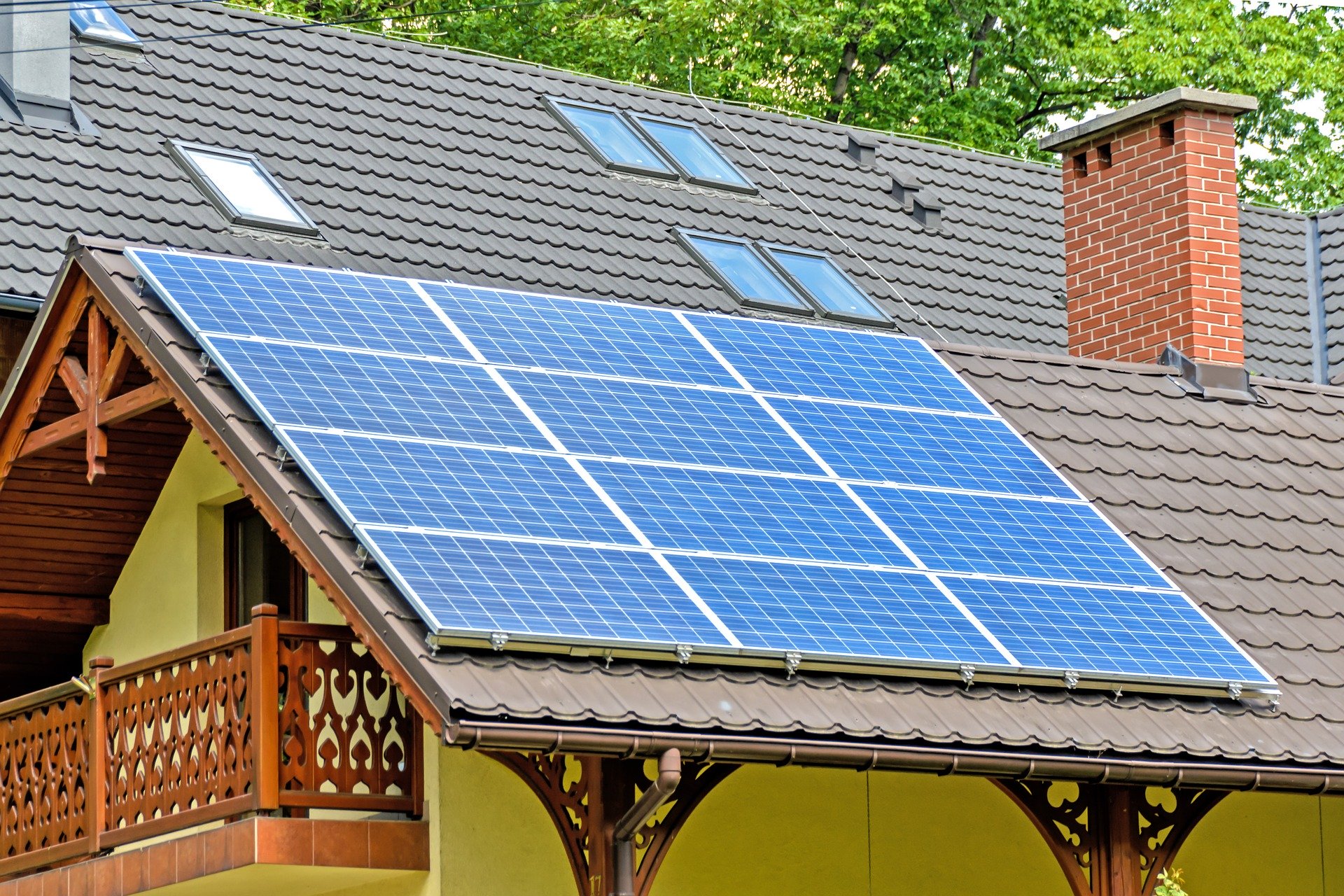
The Lagos State government says it plans to roll out 100,000 solar home systems, enabling residents to replace unreliable grid power with subscription-based solar solutions. The initiative aims to cut generator reliance, lower energy costs, and promote sustainable, off-grid power for households and small businesses.
The Commissioner for Energy and Mineral Resources, Biodun Ogunleye, said the programme will allow residents to gradually reduce reliance on public power supply. He explained that users will adopt solar systems through a financing model similar to their current electricity bills. Ogunleye spoke at the inauguration of a solar project for Radio Lagos and Eko FM in Ikeja. He said residents will pay subscription amounts close to their existing electricity bills. In return, they will own solar home systems over time.
The government plans to deploy about 100,000 solar units in the first phase. Officials will implement the rollout in stages rather than all at once. This phased approach will allow more residents to transition gradually, especially in areas with poor power supply.
Ogunleye urged Lagosians to prepare for the programme. He encouraged them to compare their electricity bills with the cost of solar systems and subscribe when the scheme launches. He added that system ownership will allow users to expand capacity as needed.
Furthermore, he acknowledged past doubts about renewable energy. However, he said current grid challenges make alternatives necessary. He also stressed the need for energy discipline, urging users to switch off unused appliances to avoid overloading systems.
Ogunleye cited his personal experience with solar power. He said he has powered his home with solar energy for over seven years, including appliances such as water heaters. He confirmed that the system works effectively with proper management.
Tayo Ogidan, CEO of Alternatio Navitas Limited, said Nigeria’s low electricity supply makes off-grid solutions essential. He noted that the country generates between 4,000 MW and 5,000 MW for a population of over 200 million people. He added that widespread generator use highlights the urgent need for alternatives. Ogidan said Nigeria imports large numbers of generators and spends heavily on self-generation. He estimated that the country spent about N16 trillion on generators, diesel, and petrol in 2023. He also noted that grid instability continues to disrupt reliable power supply.
In his remarks, the Commissioner for Information and Strategy, Gbenga Omotoso, said the state adopted solar energy due to the high cost of diesel. He revealed that Lagos previously spent about N800 million monthly to power streetlights with generators. He said the government chose solar as a more sustainable option. Omotoso described the shift as part of a broader transition to clean energy. He said the move will align Lagos with global trends while delivering a safer and more efficient power system.
Related Stories
Sign up for our newsletter.
Get the latest news, expert analysis, and industry insights delivered straight to your inbox. Join thousands of professionals shaping the future of energy.
By submitting my information, I agree to the Privacy Policy and Terms of Service.