Oil & Gas
Nigeria's Oil Output Climbs to 11-Month High, Overshooting OPEC Quota
Nigeria surpassed its OPEC crude oil production quota in May, reaching an 11-month high as improved operational stability strengthens export potential, boosts government revenue prospects and signals renewed confidence in the country’s upstream oil sector.
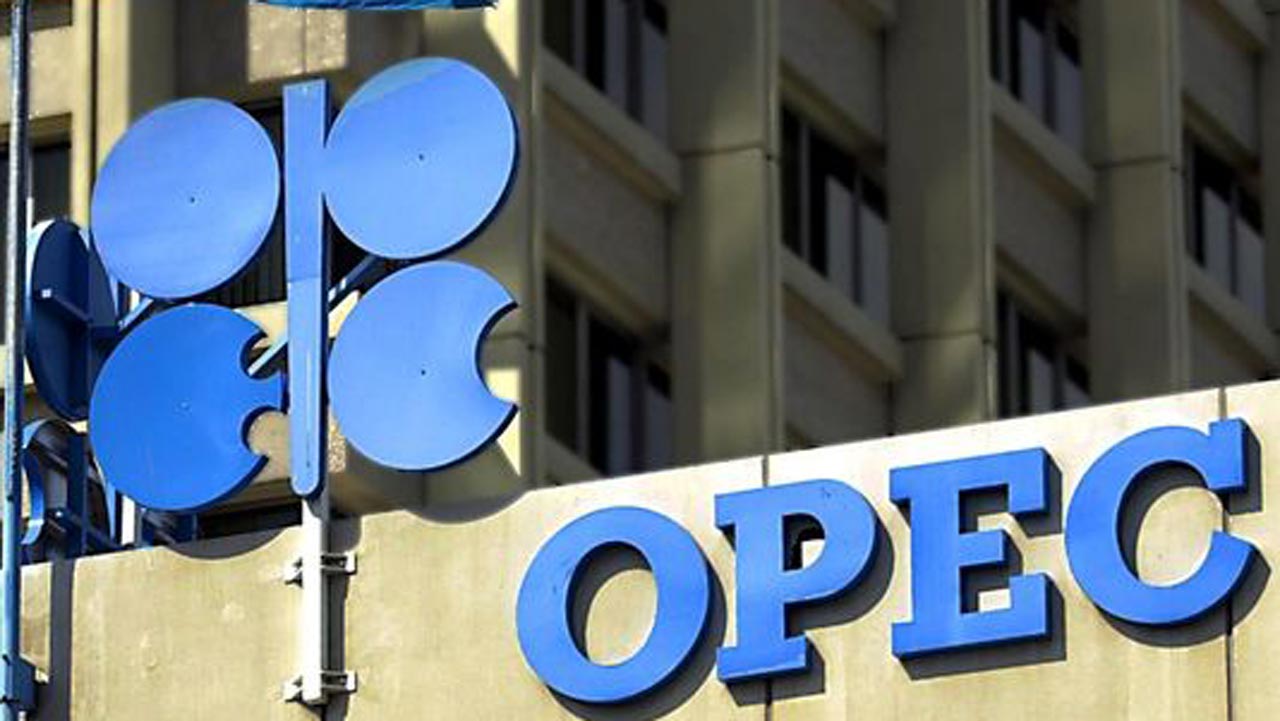
Nigeria’s oil industry recorded one of its strongest performances in nearly a year after crude production exceeded the country’s OPEC quota in May 2026, reflecting improved operational stability and reinforcing its position as Africa’s largest oil producer.
Latest production data shows Nigeria pumped an average of 1,530,354 barrels of crude oil per day during the month, surpassing its OPEC allocation of 1.5 million barrels per day by two percent. When condensate production of 170,446 barrels per day is included, total hydrocarbon output reached 1.7 million barrels per day.
The performance marks the highest overall production level since July 2025 and the strongest crude oil output since January 2025, highlighting steady gains after years of production disruptions caused by pipeline vandalism, oil theft and infrastructure constraints.
Compared with April, crude production increased by 2.77 percent from 1.48 million barrels per day, continuing a positive trend that has seen total output rise consistently over the past five months.
Production was supported by stable operations across key facilities, with no major pipeline incidents or unplanned outages reported during the month. The Nigerian Upstream Petroleum Regulatory Commission (NUPRC) attributed the improved performance to completed turnaround maintenance activities and enhanced operational reliability.
Bonny Terminal emerged as the country’s largest production stream, contributing 293,870 barrels per day, followed closely by Forcados Terminal with 289,900 barrels per day. Qua Iboe produced 173,360 barrels per day, while Escravos Oil Terminal delivered 135,470 barrels per day. Odudu (Amenam Blend) rounded out the top five with 63,250 barrels per day.
The latest figures reinforce Nigeria’s recovery strategy as the government seeks to raise production, increase export earnings and strengthen fiscal revenues at a time when global oil markets remain volatile. Sustaining output above the OPEC quota could also improve investor confidence in the country’s upstream sector, provided operational stability is maintained.
With production now at its highest level in almost a year, attention will turn to whether Nigeria can preserve the momentum through continued infrastructure upgrades, security improvements and investment in existing oil assets.
Related Stories


Sign up for our newsletter.
Get the latest news, expert analysis, and industry insights delivered straight to your inbox. Join thousands of professionals shaping the future of energy.
By submitting my information, I agree to the Privacy Policy and Terms of Service.