Finance |Oil & Gas
Ghana Bets on Data to Revive Oil Exploration
Ghana is investing over $200 million in seismic data acquisition as it seeks to reduce exploration risks and attract fresh oil and gas investment across key basins.
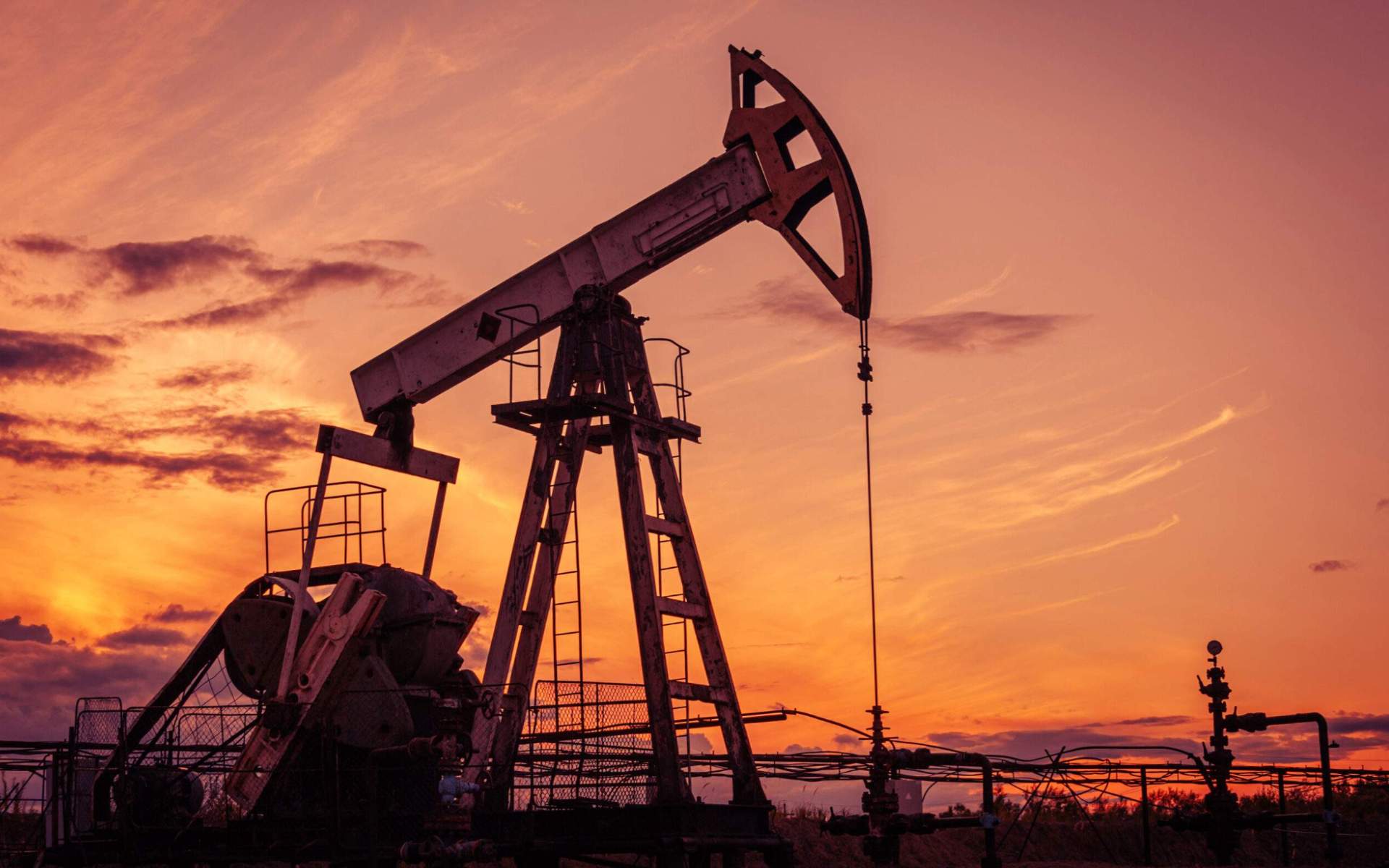
Ghana has taken a different approach in its effort to attract fresh investment into its oil and gas sector. Rather than relying mainly on tax breaks and other incentives, Ghana is betting that better geological data will do more to bring investors back to its petroleum industry.
Ghana’s Petroleum Commission noted that high-quality seismic data has become one of the most important tools for reducing the risks associated with oil exploration, and Ghana is prepared to spend more than $200 million to close existing data gaps across key basins.
Speaking during a fireside conversation with AOW Energy's Paul Sinclair, the Chief Executive Officer of the Petroleum Commission, Emeafa Hardcastle, said Ghana is moving away from policy discussions and focusing on practical steps that can help investors make informed decisions.
In her words, the availability of reliable seismic information can significantly reduce the uncertainty that often discourages companies from investing in exploration projects.
"The prospects are based on the perspective that seismic data is the gateway to long-term success," Hardcastle said.
She explained that exploration and production companies need extensive geological information before committing millions of dollars to drilling activities. Better data helps investors understand what lies beneath the ground or seabed, reduces geological risk and shortens the time required for exploration.
To achieve this, the Commission has approved a major multi-client 3D seismic acquisition programme covering about 35,900 square kilometres across three offshore basins. The Tano Cape Three Points Basin will account for 12,000 square kilometres, while the Accra-Keta Basin and Saltpond Basin will cover 13,900 and 10,000 square kilometres respectively.
Hardcastle said more than $200 million will be required to fully address offshore data gaps. Funding is expected to come through a combination of government support, public-private partnerships and privately funded multi-client surveys.
She noted that previous investments in seismic surveys have already improved Ghana's understanding of its petroleum resources.
"We now have extensive 2D and 3D coverage. That coverage has given us a far more detailed understanding of our offshore potential, and it enables us to talk confidently to operators," she said.
Ghana's efforts are not limited to offshore areas. Onshore exploration is also gathering momentum, particularly in the Voltaian Basin, where new geological studies have strengthened confidence in the area's petroleum potential.
The Ghana National Petroleum Corporation's exploration subsidiary, GNPC Explorco, is preparing for drilling activities and is currently seeking technical and financial partners to support the project.
As Hardcastle said, recent geochemical studies have identified the presence of methane, ethane, propane and butane in the basin. The findings have helped reduce uncertainty surrounding the petroleum system and strengthened the case for further exploration.
Another development that has boosted confidence is the first Ocean Bottom Node survey conducted over the Jubilee and TEN fields by Tullow Oil and its partners. The survey follows a 4D streamer survey completed earlier in 2025 and is expected to provide clearer information about underground reservoirs and future production opportunities.
While Ghana is also reviewing its fiscal regime to improve competitiveness, Hardcastle suggested that access to quality data remains the country's strongest selling point.
The Petroleum Commission plans to showcase this information during AOW Energy 2026, where investors will have access to free data rooms, dedicated basin presentations and meetings with government officials.
With new surveys underway and fresh exploration prospects emerging, it is believed that the new approach could lead to increased investment, more drilling activity and new petroleum discoveri
es within the next 12 to 18 months.
Related Stories

Sign up for our newsletter.
Get the latest news, expert analysis, and industry insights delivered straight to your inbox. Join thousands of professionals shaping the future of energy.
By submitting my information, I agree to the Privacy Policy and Terms of Service.