Power
Nigeria: Lagos Power Market Faces 24-Hour Supply Test as FG Joins State Effort
Lagos is putting its new state electricity market to the test as federal agencies and state regulators join forces to improve generation, transmission and distribution and deliver more reliable power.
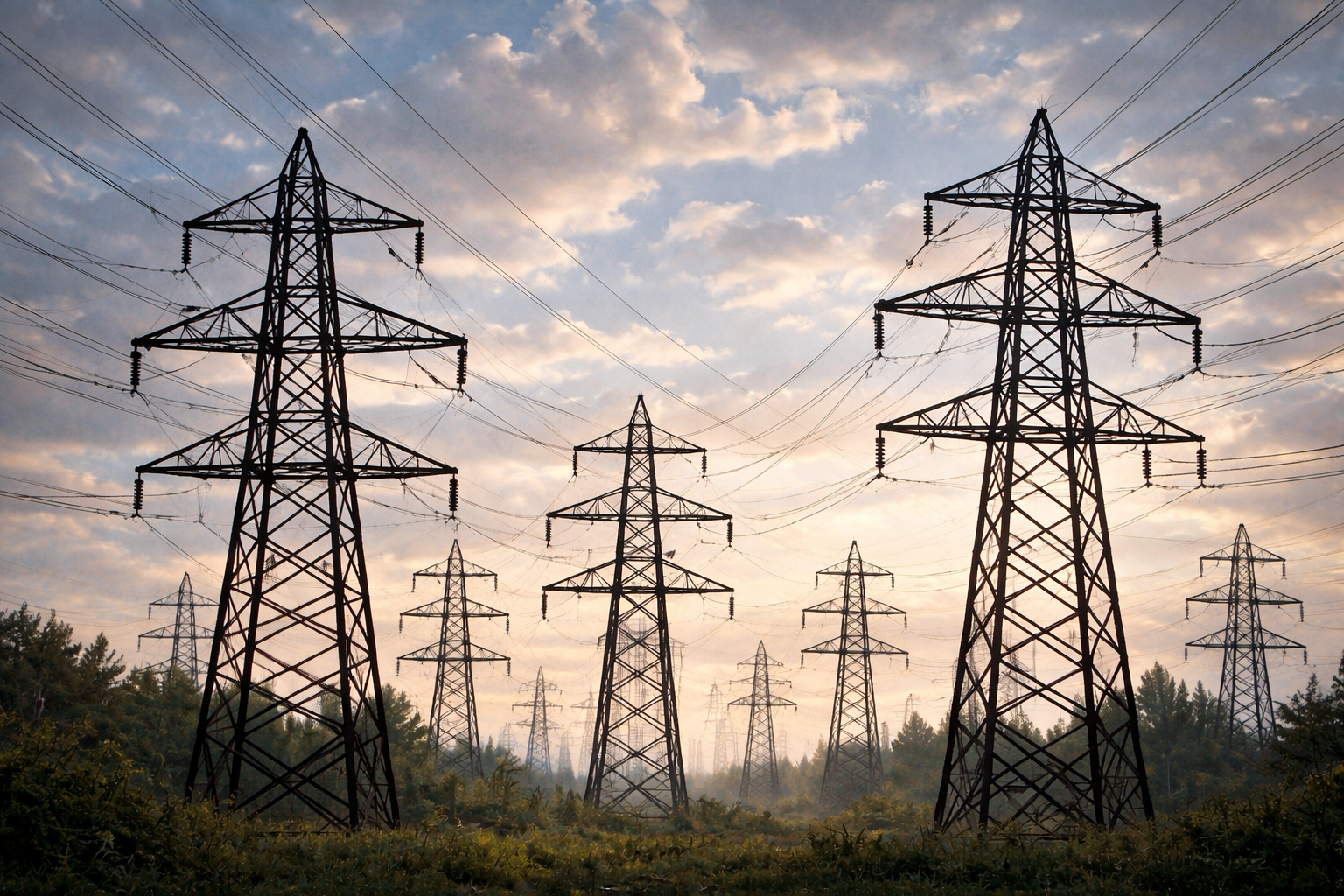
Lagos’ new electricity market is facing its biggest test yet as the Federal Government and the state government move to coordinate generation, transmission and distribution in a fresh push to deliver 24-hour power to the state.
Two joint committees were constituted on Monday to drive the process, bringing federal electricity agencies and Lagos’ newly established power-market institutions under a single implementation structure.
The move followed a Ministerial Implementation Retreat on the Clean Lagos Electricity Market at Lagos House, Marina, where officials examined practical measures for improving electricity supply across the state.
Rather than create another policy framework, the committees are expected to work on the technical, regulatory and operational problems that have continued to limit how much electricity reaches homes and businesses.
Lagos is being used as the first testing ground because it accounts for between 40 and 50 per cent of Nigeria’s electricity demand, according to Power Minister Joseph Tegbe.
The Federal Government plans to use the experience from Lagos to guide similar interventions along the Abuja-Kaduna-Kano and Enugu-Port Harcourt economic corridors.
“We came with pragmatic solutions. Some of them are going to take action immediately, quick wins,” Tegbe told officials at the retreat.
He added that consumers should begin to see improvements in electricity supply around the Lagos axis as the measures are implemented.
From state electricity law to actual power delivery
The committees come at a critical point in Lagos’ attempt to build an electricity market that is less dependent on the national grid.
The Lagos State Electricity Law 2024 established the legal framework for the state to regulate electricity activities within its jurisdiction, covering generation, distribution, supply, transmission, system operation and electricity trading.
The state has also been pursuing additional generation through private-sector partnerships.
In April, it signed power purchase agreements with Mainland Power Limited, Fenchurch Power Limited and Viathan Engineering as part of efforts to increase electricity available to critical infrastructure and other consumers.
The agreements were designed to strengthen locally available generation while addressing problems associated with previous power arrangements. Payments under the new structure are tied to electricity actually delivered and metered.
The federal-state committees now have to connect these initiatives with the wider electricity system.
The Joint Technical Working Committee includes representatives of the Transmission Company of Nigeria, Rural Electrification Agency, Nigerian Electricity Regulatory Commission, Federal Ministry of Power, Lagos Independent System Operator and Lagos State Electricity Regulatory Commission.
It will be co-chaired by the Permanent Secretary of the Lagos State Ministry of Energy and the Managing Director of the Lagos Independent System Operator.
A separate Steering Committee will supervise implementation, with Lagos Governor Babajide Sanwo-Olu as chairman and Tegbe as co-chairman.
The Special Adviser to the President on Power, the Permanent Secretary of the Federal Ministry of Power and Lagos Commissioner for Energy, Biodun Ogunleye, are also members.
The importance of the arrangement for Lagos, lies in whether the different parts of the electricity chain can work together more effectively.
More generation alone will not guarantee 24-hour supply if transmission constraints, distribution capacity, regulatory gaps or system-management problems prevent the electricity from reaching consumers.
Sanwo-Olu described the retreat as “very frank” and said officials had identified “low-hanging fruits” that could produce visible improvements.
The governor also pointed to the Steering Committee as a mechanism for moving decisions from the retreat into implementation.
The immediate measure of success will be practical: more electricity reaching consumers, fewer supply interruptions and stronger capacity across the networks serving Lagos.
If the approach produces those results, Lagos could provide the Federal Government with a working model for tackling electricity problems in other major economic corridors.
If it does not, the 24-hour supply target will remain another government commitment without a corresponding improvement in what consumers receive from the power system.
Related Stories
Sign up for our newsletter.
Get the latest news, expert analysis, and industry insights delivered straight to your inbox. Join thousands of professionals shaping the future of energy.
By submitting my information, I agree to the Privacy Policy and Terms of Service.