Power
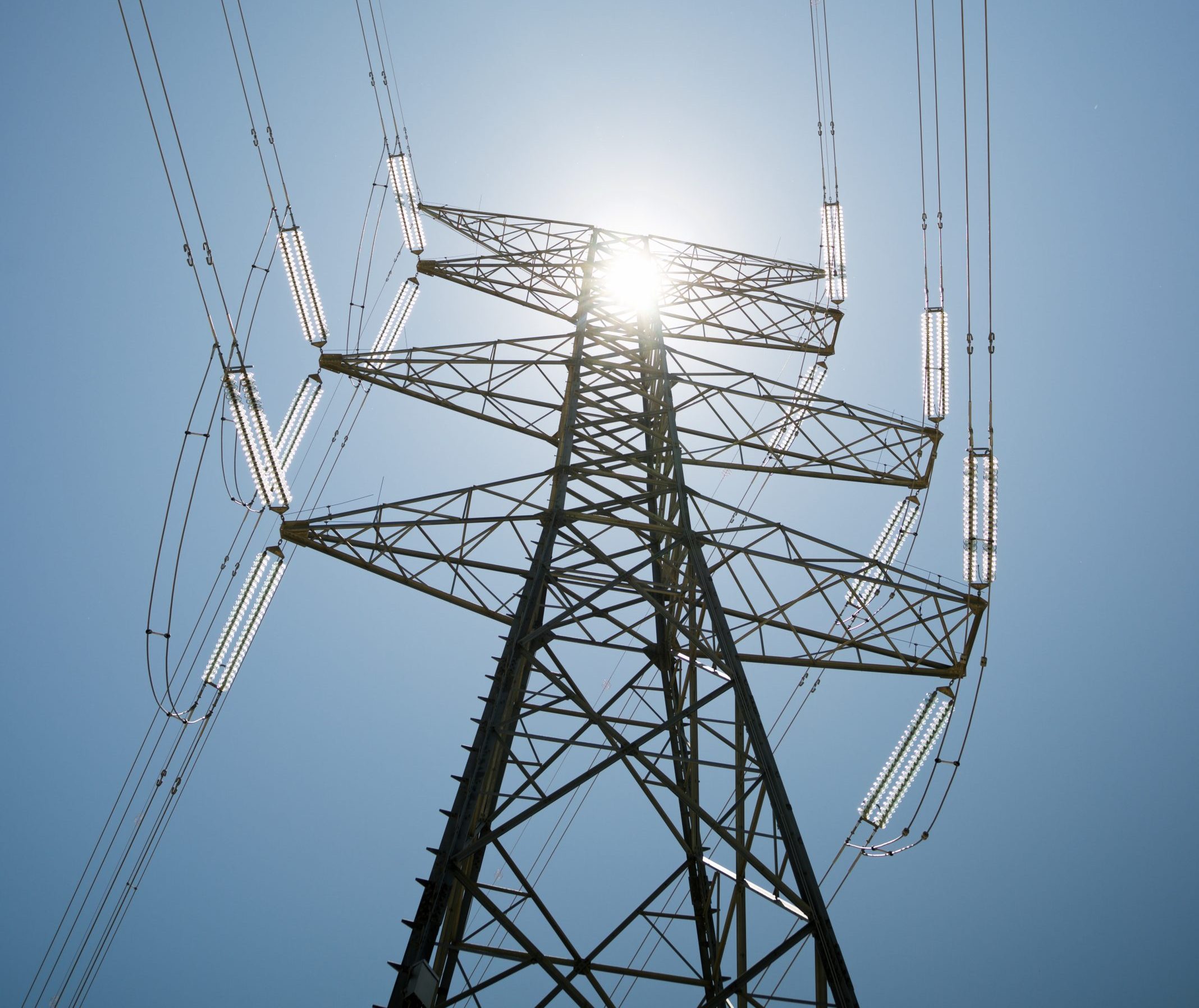
South Africa Delays R440bn Transmission Plan by Six Months
South Africa's renewable energy ambitions keep outrunning its grid, as a fully subscribed wind auction that awarded zero megawatts shows transmission, not generation, is now the real constraint.
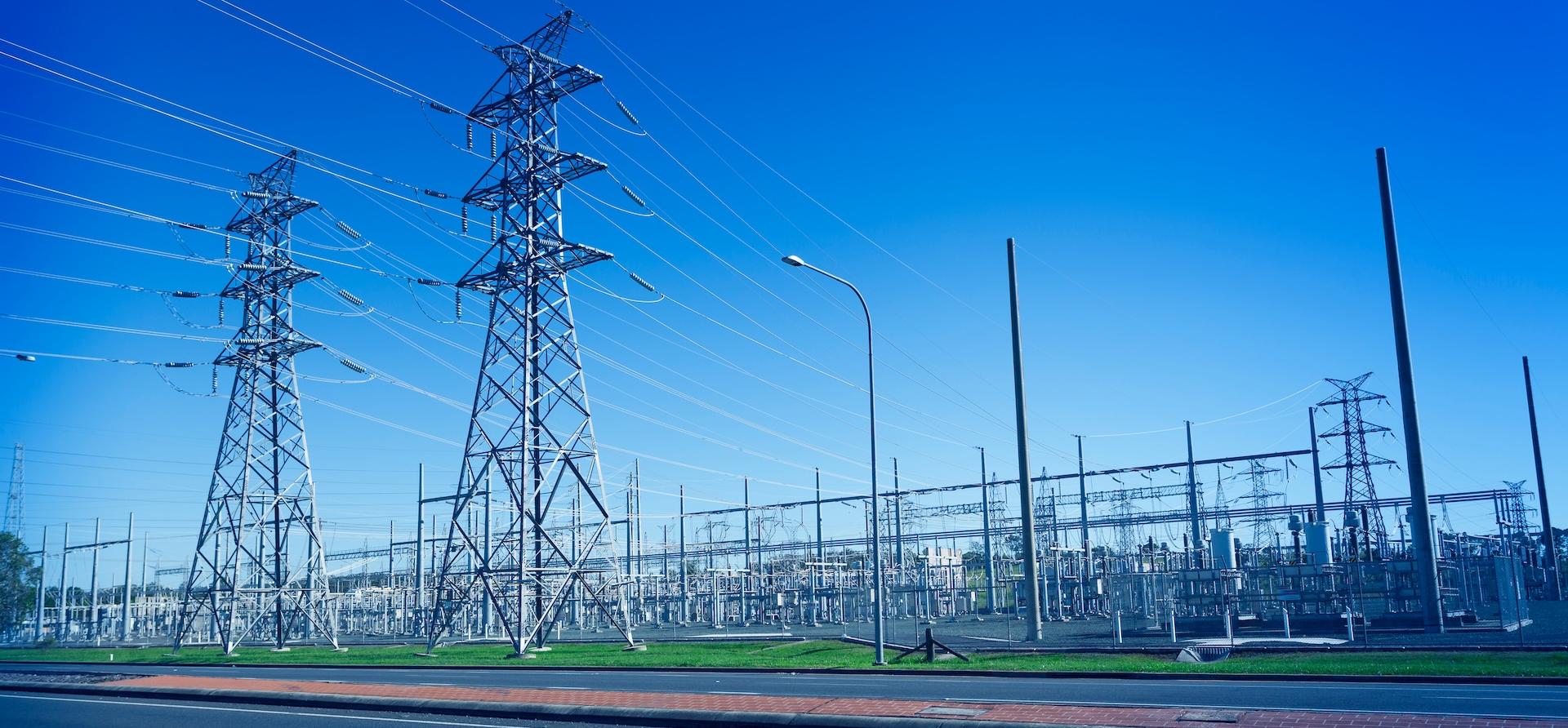
South Africa has delayed by six months a request for proposals from private companies to build new transmission lines, pushing back the start of its Independent Transmission Projects (ITP) Programme to the second quarter of 2027, the National Treasury and Department of Electricity said in a statement on Thursday.
The programme had originally targeted the end of September this year.
The ITP Programme, launched in December 2024, is designed to open development of national transmission infrastructure to the private sector for the first time, reducing pressure on Eskom and unlocking stalled renewable energy projects by addressing transmission shortages through public-private partnerships.
Its first phase, covering 1,164 kilometres of new transmission lines, has already drawn interest from international developers, including a company owned by Indian billionaire Gautam Adani and Chinese firms.
Wind power has already paid the price for grid limits
The delay lands at a moment when transmission constraints have already derailed major renewable energy procurement.
In South Africa's most recent clean energy auction, Bid Window 7 of the Renewable Energy Independent Power Producer Procurement Programme, developers submitted 3.2 gigawatts worth of onshore wind proposals, yet not a single megawatt was awarded, because Eskom could not guarantee grid connections for the projects.
More than 80% of grid capacity in solar- and wind-resource-rich provinces such as the Northern and Western Cape is already fully allocated, and South Africa currently has about 72 gigawatts of renewable energy projects sitting at advanced stages of development, effectively ready to build, but unable to connect to a grid that was never designed for generation spread across the country's coastal and semi-desert regions rather than concentrated near coal plants.
In some congested nodes, grid operators have had to impose curtailment, deliberately limiting how much electricity an already-built wind or solar plant can feed into the grid, reducing returns for developers who had modelled their financing on a specific annual output.
Eskom's own build-out has also fallen behind
Eskom's broader transmission build programme, separate from the privately financed ITP initiative, is similarly behind schedule.
The utility plans to install 14,000 kilometres of new transmission line over the next decade, but completed less than two-thirds of its target of 423 kilometres in the year to March 2026.
At the same time, gas-powered generation projects intended to help replace retiring coal capacity are behind schedule and tied up in legal processes, prompting Eskom to consider running some of the roughly 8 gigawatts of coal plant capacity slated for retirement by 2030 for longer than originally planned.
Government still weighing how to structure oversight
Minister of Electricity and Energy Kgosientsho Ramokgopa told lawmakers on Thursday that the configuration of the Independent Power Producers (IPP) office, which runs the government's clean energy auctions and now also oversees the ITP programme, remains unresolved.
"When we rethink the institutionalisation of the IPP office, it must be under the new context of both generation and transmission," he said.
"We have put the brakes on that so we can decide whether we want both generation and transmission under one umbrella or must they be decoupled."
The delay adds to a pattern in which South Africa's renewable energy ambitions have consistently outpaced the physical infrastructure needed to connect them to the grid, a gap officials and developers alike now describe as the central obstacle to the country's energy transition, ahead of generation capacity itself.
Related Stories
Sign up for our newsletter.
Get the latest news, expert analysis, and industry insights delivered straight to your inbox. Join thousands of professionals shaping the future of energy.
By submitting my information, I agree to the Privacy Policy and Terms of Service.