Oil & Gas
Nigeria's Oil Output Rises to 1.68m bpd, Meets OPEC Quota
Nigeria's steady climb back toward its OPEC quota shows how much a single offshore mooring fault can still swing the country's overall oil output.
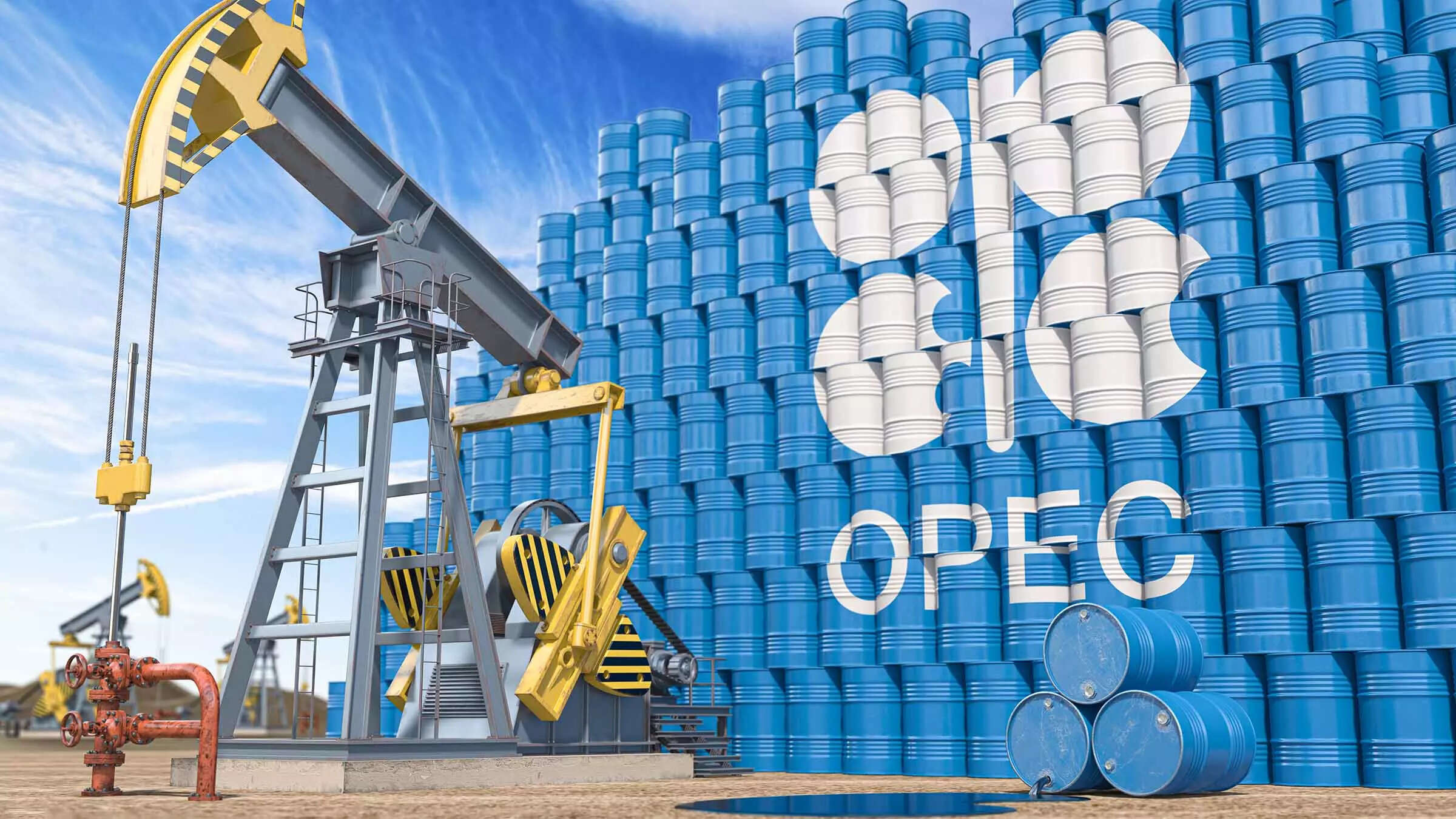
Nigeria's crude oil and condensate production rose to 1,677,777 barrels per day in August 2026, a 0.4% increase from July, marking the fourth consecutive month the country has met its Organisation of Petroleum Exporting Countries (OPEC) production quota.
The Nigerian Upstream Petroleum Regulatory Commission (NUPRC) disclosed the figures in a statement issued Sunday by Eniola Akinkuotu, its head of media and corporate communications.
Crude oil production alone, excluding condensates, a lighter liquid hydrocarbon often extracted alongside natural gas, stood at 1,500,190 barrels per day in August.
Erha field repairs helped lift output
The NUPRC attributed the increase largely to the resolution of operational problems at the Single Buoy Mooring, an offshore loading facility that allows tankers to load crude directly from a floating platform, at the Erha field, which had affected production the previous month.
"The restoration of normal evacuation and production operations at the asset contributed positively to overall production volumes during the period under review," the regulator said, adding that production across most other producing assets remained relatively stable, with operators continuing measures to improve efficiency, protect asset integrity and reduce disruptions.
Daily production in August ranged between a low of 1.64 million barrels per day and a high of 1.71 million. Among individual terminals, the Bonny Terminal recorded the highest average output at 320,040 barrels per day, followed by Forcados at 317,400, Qua Iboe at 171,720, Escravos at 131,710 and Bonga at 92,500.
Output remains below June's level
The August figure represented an increase of 6,777 barrels per day from July's 1,671,000 barrels, but was 57,621 barrels per day, or about 3.3%, lower than the 1,735,398 barrels per day recorded in June, indicating that while production has been recovering month-on-month, it has not yet returned to earlier levels reached earlier in the year.
The NUPRC said the modest August improvement reflects the industry's continued efforts to resolve operational bottlenecks and restore affected production capacity.
"Stakeholders remain focused on enhancing asset reliability, improving operational resilience and advancing intervention programs to support sustained production growth in the coming months," the regulator said, stressing the importance of timely intervention, effective asset management and collaboration among industry stakeholders in protecting the country's crude oil production capacity.
Whether Nigeria can close the remaining gap to June's higher output level, and sustain its OPEC quota compliance into a fifth consecutive month, will depend on how operators manage further operational risks across the country's producing assets.
Related Stories

Sign up for our newsletter.
Get the latest news, expert analysis, and industry insights delivered straight to your inbox. Join thousands of professionals shaping the future of energy.
By submitting my information, I agree to the Privacy Policy and Terms of Service.