Oil & Gas
Kenya Seeks 1,000MW Gas Plant from Dangote
The proposed power station would use LNG from Tanzania and form part of Dangote’s planned refinery complex in Lamu.
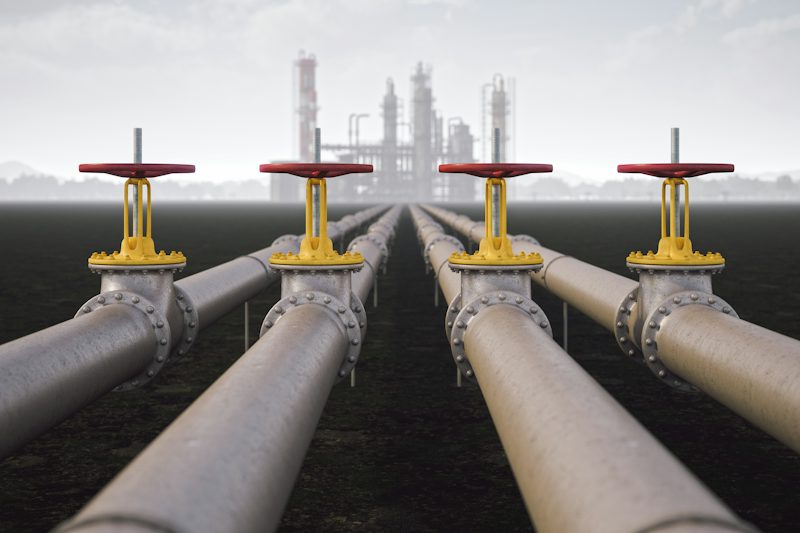
Kenya is negotiating with Dangote Industries over a proposed 1,000-megawatt gas-fired power plant at the company’s planned refinery site in Lamu, as the country looks to address electricity shortages.
The Kenyan government wants the power component of the refinery project expanded to 1,000MW, twice the capacity initially planned, with natural gas from Tanzania expected to supply the plant.
The proposed facility would use liquefied natural gas (LNG) to generate electricity and could provide a more stable supply than wind and solar projects being developed on Kenya’s electricity grid.
The negotiations place electricity generation alongside the proposed refinery as major parts of the Lamu industrial project. The two facilities could share infrastructure such as port facilities and transmission lines.
Tanzania gas to supply Lamu plant
The planned electricity plant would depend on gas supplies from Tanzania, which has significant offshore gas reserves.
Gas could reach the Lamu site through a pipeline connecting the two countries or through LNG shipments by tankers to a receiving terminal at the project location.
The arrangement would establish a gas trading route between Kenya and Tanzania and could support a regional energy corridor.
Kenya’s Ministry of Energy had previously identified diversification of the country’s energy sources as necessary to limit the effect of drought on hydroelectric power generation.
The proposed gas plant would therefore give Kenya another source of electricity alongside hydro, wind and solar power.
The Kenyan government is negotiating for the larger plant capacity to help address domestic electricity shortages, according to the report by Africa Report.
The initial proposal for the power component was much smaller. Kenya is seeking the 1,000MW installation to support industrial activity and reduce energy costs for consumers.
The proposed plant would be located within the Lamu refinery complex. Sharing infrastructure with the refinery could reduce construction costs for the power facility.
The Lamu project also sits within the Lamu Port-South Sudan-Ethiopia Transport corridor, a major transport route intended to open up northern Kenya and improve connections with neighbouring countries.
Project still awaits major agreements
The planned 1,000MW plant would rank among the largest gas-to-power facilities in East Africa if completed.
Its development, however, depends on agreements and financing that have not yet been concluded.
Kenya and Tanzania still need to finalise a gas purchase agreement for the proposed fuel supply. Financing for construction of the refinery is also required before the wider project can proceed.
The next negotiations are expected to deal with the power purchase agreement and environmental impact assessments required for the larger power plant.
A power purchase agreement sets out how electricity generated by the plant would be sold and bought.
The environmental assessment will examine the effects of the expanded facility before the project can proceed.
Aliko Dangote, president of Dangote Industries, has reportedly shown interest in expanding the company’s industrial presence in East Africa after the scale of its refining operations in Nigeria.
The proposed Lamu project would bring refinery and power generation under the same industrial complex, with the electricity facility designed around LNG supplied from Tanzania.
Related Stories
Sign up for our newsletter.
Get the latest news, expert analysis, and industry insights delivered straight to your inbox. Join thousands of professionals shaping the future of energy.
By submitting my information, I agree to the Privacy Policy and Terms of Service.