Oil & Gas
OPEC+ Holds November Oil Output Targets Steady
OPEC+'s steady output decision masks a deeper problem: war-related disruptions mean the group's own production increases have barely left paper this year.
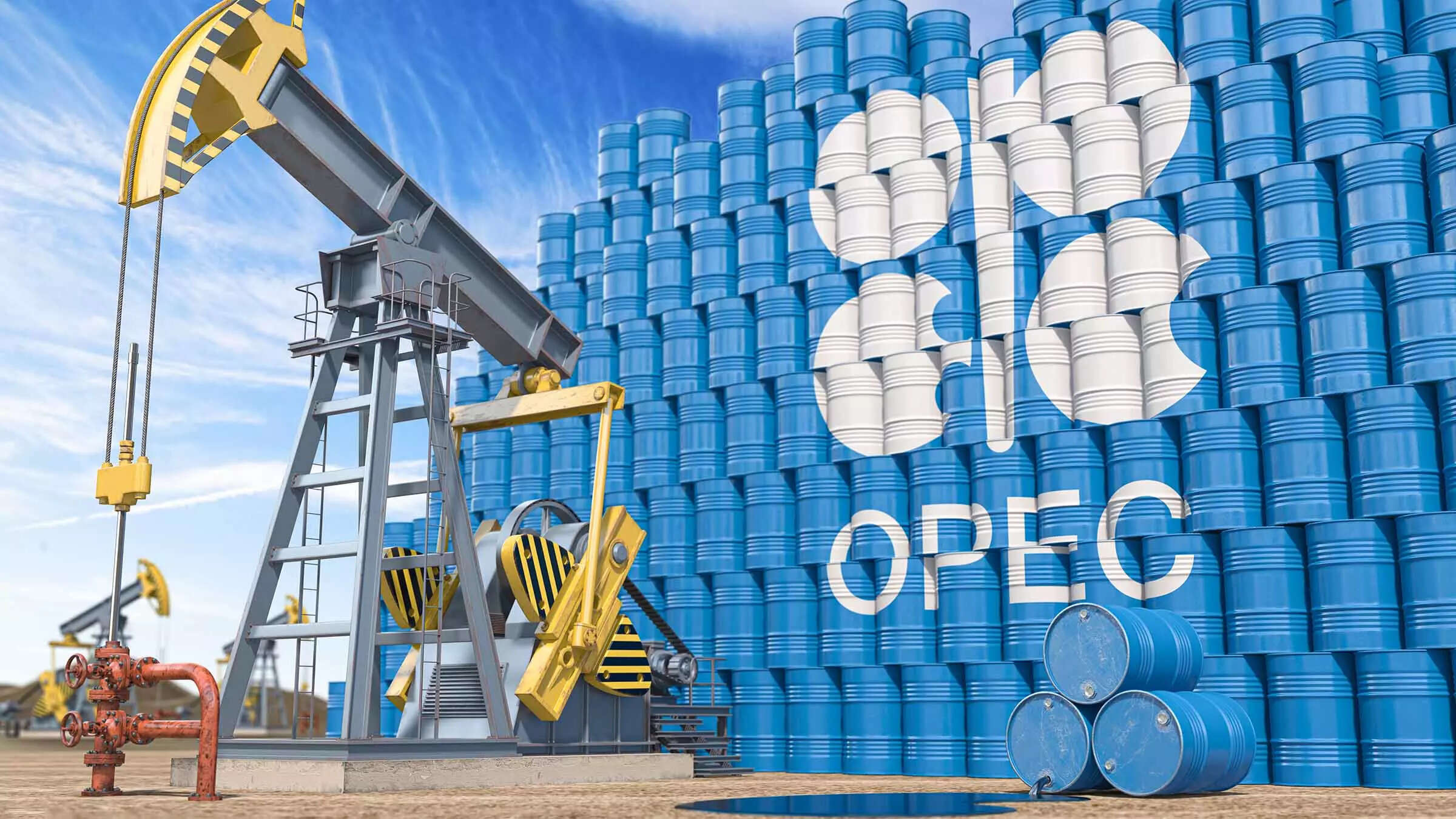
OPEC+ agreed to keep oil production targets unchanged for November, the producer group said on Sunday, in line with market expectations that further output adjustments are unlikely before next year.
Seven core members of the group, comprising the Organization of the Petroleum Exporting Countries and allies including Russia, made the decision during a brief online meeting.
The core members are Saudi Arabia, Russia, Iraq, Kuwait, Algeria, Kazakhstan and Oman.
War in Iran keeps output below quota
Gulf OPEC+ producers have been pumping well below their official targets, as the ongoing US-Israeli conflict with Iran continues to disrupt exports.
Export volumes have fluctuated between 60% and 80% of normal levels in recent months.
"The OPEC+ group of seven kept their production ceilings unchanged, in line with market expectations. That said, despite rising flows through the Strait of Hormuz, their output levels remain well below quota," said UBS analyst Giovanni Staunovo. "Consequently, the oil market remains tight."
The Strait of Hormuz is a narrow waterway through which a large share of the world's oil passes. Disruptions there have kept prices elevated for months.
Oil prices dipped briefly on Friday, after European leaders agreed to a request from US President Donald Trump to release diesel reserves. Even so, Brent crude remains above $100 a barrel, up sharply from about $73 before the Iran conflict began in late February.
This year's output hikes have mostly stayed on paper
The war has also delayed a separate but important process: OPEC+'s review of members' production capacity, which will determine 2027 output quotas.
Industry sources told Reuters last week that the conflict has made it harder to estimate how much oil countries can realistically produce going forward, pushing that review back.
OPEC+ spent much of 2026 raising official output targets, following years of production cuts. But most of those increases existed only on paper, since the conflict prevented countries from actually pumping the extra volumes.
The seven core members produced 25 million barrels per day in August, up 630,000 barrels per day from July. Even so, that figure remains roughly 5 million barrels per day below prewar levels recorded in February, according to OPEC data, a gap that explains why global prices remain high despite the group's official policy of increasing supply.
What happens next
OPEC+ still has about 2 million barrels per day of production cuts in place, covering most of its members. The group needs the results of its delayed capacity review before it can decide how to distribute any future output increases among members, and sources say changes are unlikely before 2027.
The seven core members will hold their next meeting on November 1.
Related Stories

Sign up for our newsletter.
Get the latest news, expert analysis, and industry insights delivered straight to your inbox. Join thousands of professionals shaping the future of energy.
By submitting my information, I agree to the Privacy Policy and Terms of Service.