Power
Power Shortage Leaves Shs182bn Uganda Drug Plant Idle
Dei BioPharma in Kamuli District has been unable to sustain production because generators cost far more than grid electricity, with a dedicated power line now planned.
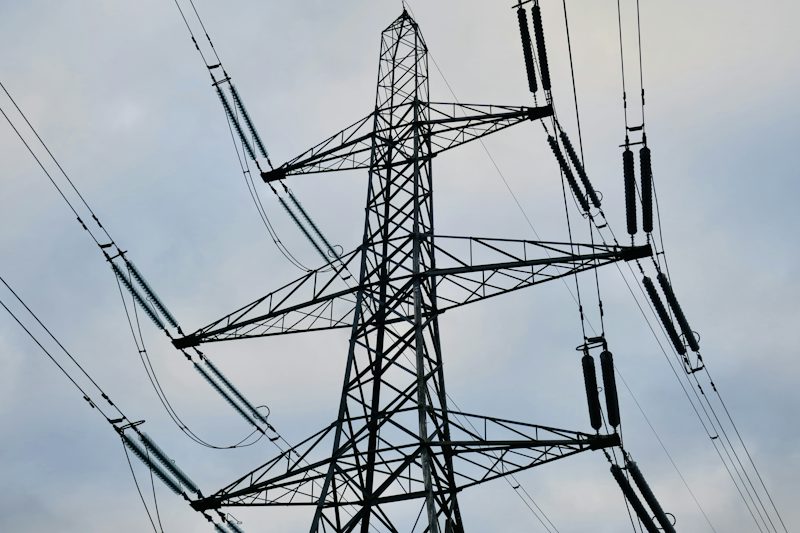
A Shs182 billion pharmaceutical plant in Uganda has remained inactive because it lacks the reliable electricity needed to run its machines, forcing the company to depend on costly generators.
Dei BioPharma, located in Kamuli District, needs about five megawatts of electricity for production. Its head of production, Simon Kigwana, said generator use costs about Shs15 million in fuel each day, compared with about Shs2 million when the factory operates on grid power.
The plant was commissioned by President Museveni in November 2025. It was built to make pharmaceutical-grade raw materials from crops such as cassava, maize and potatoes.
Kigwana said the difference in power costs has made generator-based production difficult to sustain.
“When we use the generator, we consume fuel worth Shs15 million, but when you compute the electricity used when we are on power, it is only Shs2 million,” he said.
The electricity problem has now prompted the Energy and Mineral Development Ministry and the Uganda Electricity Distribution Company Limited (UEDCL) to intervene.
Factory needs five megawatts to operate
Dei BioPharma proprietor and Managing Director Dr Mathias Magoola said the company first used generators to keep the plant running after its commissioning.
The cost of fuel, however, eventually made that arrangement unsustainable. Production was suspended even though the factory had received an investment of more than Shs182 billion.
Magoola said the plant was intended to help Uganda reduce its dependence on imported pharmaceutical products.
“The country spends a lot to import pharmaceutical products, but this plant is aimed at mitigating that,” he said.
The Kamuli facility is the first phase of a biotechnology investment led by Magoola. It is designed to produce starch, glucose and maltose used as excipients in medicines and other pharmaceutical products.
The factory has a processing capacity of more than 500 metric tonnes of raw materials each day, according to Dei BioPharma Agricultural Officer Samuel Oenen.
The company plans to obtain its raw materials from local farmers. Cassava, maize and potatoes are among the crops listed for use at the plant.
More than 10 by-products are also expected from the processing work for use in the pharmaceutical and food industries.
Power problem affects sister plants
The interruption at Kamuli has also affected Dei BioPharma's sister plants in Matugga, Kampala.
Those facilities were expected to use the starch, glucose and maltose produced at Kamuli. Magoola said production at the Matugga plants cannot continue without the materials from the Kamuli facility.
“Our Matugga plants cannot work without all the products we produce here in Kamuli. We cannot produce vaccines; we cannot produce drugs with glucose, maltose and others which are produced here,” he said.
Energy and Mineral Development Minister Dr Monica Musenero visited the factory with UEDCL officials and directed the electricity distributor to install a dedicated power line within two weeks.
Musenero said industrialists should consider their electricity needs before setting up factories. She said some investors do not plan with the Energy Ministry for the high-voltage infrastructure required by their facilities.
“For the last three months I have been Minister for Energy, I have encountered many issues regarding industrialists' lack of enough power to run their machines. But it comes because many don't plan with the Ministry of Energy and don't put into consideration what it takes to extend high-voltage power lines,” Musenero said.
Paul Ssempira, UEDCL Head of Commercial Operations for the North East Region, said the existing Kamuli power line has enough capacity to supply the factory once the required infrastructure is installed.
“We have enough power, but our conductors couldn't handle the high voltage. We have already got the contractor, so the two-week grace period we have given ourselves is achievable,” Ssempira said.
The planned dedicated line is intended to provide the electricity required for the Kamuli plant to restart production.
Related Stories

Sign up for our newsletter.
Get the latest news, expert analysis, and industry insights delivered straight to your inbox. Join thousands of professionals shaping the future of energy.
By submitting my information, I agree to the Privacy Policy and Terms of Service.