Oil & Gas
Ruto Says Lamu Refinery will Draw on Global Crude Mix
Kenya's refinery ambitions hinge on crude sourcing from Sudan and global markets, even as its own long-delayed Turkana oilfield only now nears first production.
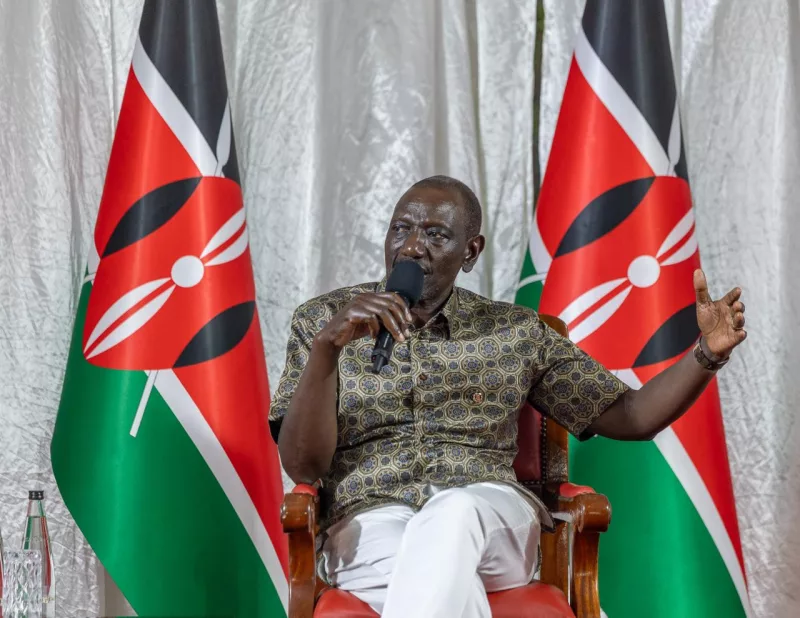
President William Ruto has said Kenya's planned Lamu oil refinery will not rely solely on domestic crude from Turkana, with the government in discussions with Sudan and other countries to secure additional supply for the 700,000-barrel-per-day facility.
Ruto said the government has agreed with Nigerian businessman Aliko Dangote to build a pipeline connecting Turkana to Lamu, allowing Kenya to transport locally produced oil to the refinery.
"We have agreed with Dangote that he will help us, as Kenya, to build a pipeline that will connect Lamu and Turkana so that we can bring the oil from Turkana to Lamu," he said. Ruto added that Kenya expects to begin extracting crude from Turkana before December.
Turkana's oil has been 14 years in the making
That timeline would mark the culmination of a project that has tested Kenya's patience since oil was first discovered in the South Lokichar Basin in 2012.
British explorer Tullow Oil spent more than a decade trying to bring the field into commercial production, but the effort stalled repeatedly over financing gaps, revised field development plans and the exit of partners TotalEnergies and Africa Oil in 2023 after a multi-billion-dollar financing plan collapsed.
Tullow eventually sold its stake to Nairobi-based Gulf Energy for $120 million in 2025, and Kenya's government approved Gulf Energy's revised development plan late last year, setting a target of first oil by the end of 2026, nearly 15 years after the original discovery.
Early output is expected to start at a modest 20,000 to 50,000 barrels per day, rising over time, from a basin estimated to hold around 429 to 560 million barrels of recoverable reserves, a volume that on its own would cover only a fraction of the Lamu refinery's 700,000-barrel-per-day processing capacity.
Ruto says a single crude source was never realistic
Ruto said discussions are also under way with Sudan on sourcing additional crude for the refinery, and stressed that even full Turkana output would not be sufficient on its own.
"A refinery cannot use one type of crude oil. I have been told you need different types of crude oil to refine petroleum products," he said, adding that even if Kenya supplied its own crude from Turkana, additional oil would still be required from other sources.
He pointed to Dangote's existing refinery in Lekki, Lagos, which sources crude from various parts of the world depending on availability and price, as a model for how Lamu would operate.
"Wherever you get crude at a cheaper price, you source it from there and bring it to the refinery," he said, adding that the same approach would be adopted at Lamu, with crude expected to arrive from both international suppliers and East African producers.
Ruto said some of the refined products, including jet fuel, could be exported depending on demand, while others would be sold within Kenya.
Refinery construction already under way
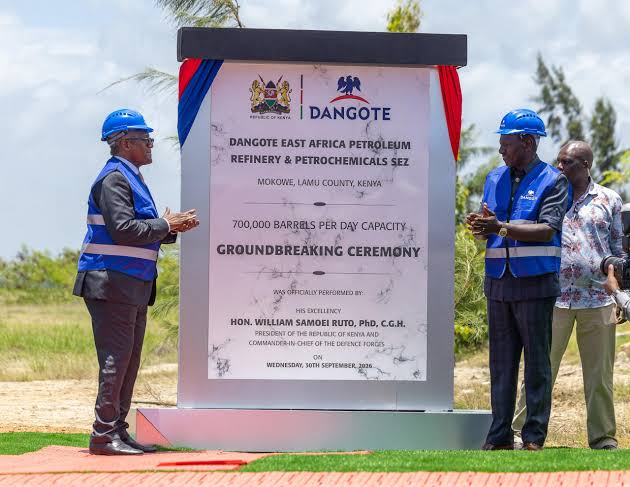
Ruto's comments follow the groundbreaking of the East African Oil Refinery in Lamu, a Sh2 trillion ($16 billion) project that broke ground this week and is scheduled for completion by 2030.
The facility is expected to serve markets across East Africa. With Kenya's domestic crude production initially accounting for only a small share of the refinery's planned capacity, securing reliable international and regional supply arrangements is likely to be as important to the project's success as the pace of Turkana's own development.
Related Stories

Sign up for our newsletter.
Get the latest news, expert analysis, and industry insights delivered straight to your inbox. Join thousands of professionals shaping the future of energy.
By submitting my information, I agree to the Privacy Policy and Terms of Service.