Power
Rwanda MPs Seek Answers Over Frequent Power Outages
Rwanda lawmakers have questioned the Rwanda Energy Group over frequent power outages and supply quality, as the utility outlines network upgrades and alternative supply routes.
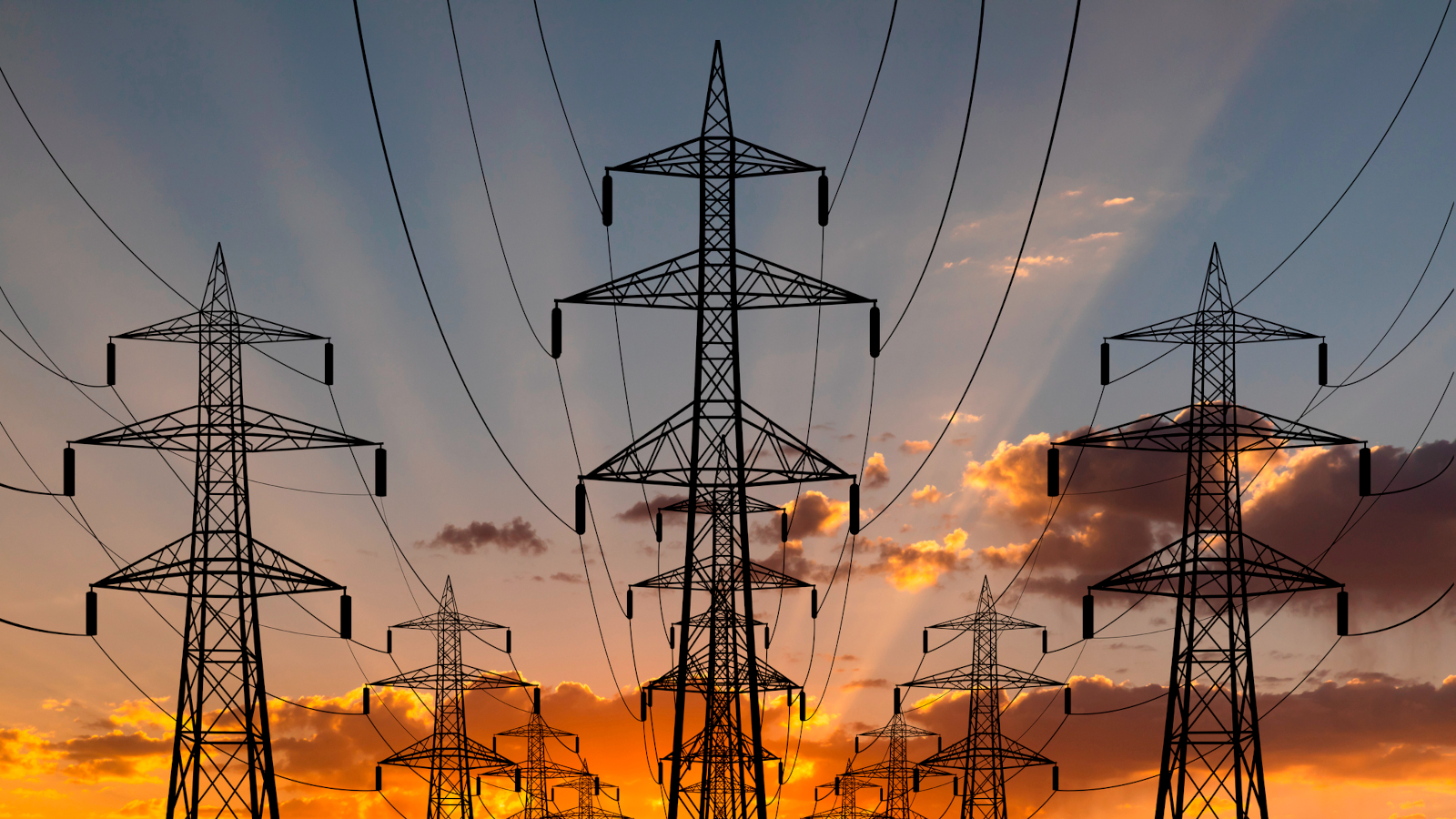
Rwanda lawmakers have questioned the Rwanda Energy Group (REG) over frequent electricity outages and fluctuations affecting consumers across the country.
REG Chief Executive Officer Maximilien Byilingiro appeared before the Senate Committee on Economy and Finance on September 10, where senators raised concerns about the reliability and quality of electricity supplied to households and institutions.
Committee chairperson Fulgence Nsengiyumva said lawmakers had received complaints from schools, health facilities and other electricity users.
“Although electricity access had reached 84 per cent by 2024, people have continued to report challenges with the supply.
They are concerned that frequent interruptions and fluctuations could damage their equipment,” Nsengiyumva said.
Network upgrades linked to some outages
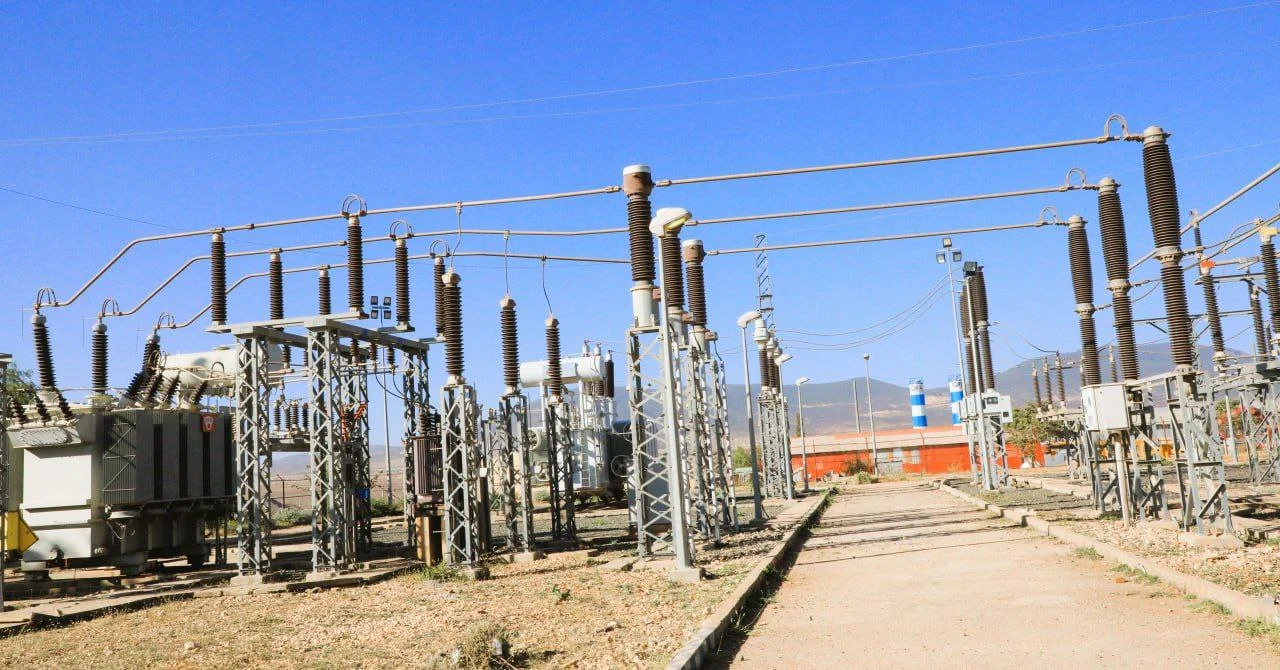
Byilingiro said some interruptions were necessary during work to upgrade electricity infrastructure, as sections of the network must be switched off while construction is underway.
He said REG was changing network configurations to create alternative supply routes so that customers could continue receiving electricity through another connection when their usual line is taken offline for upgrades.
The approach is already being used in areas including Gahanga, Nzove and Gikondo, where substations and distribution networks are being expanded.
Byilingiro said some consumers in Gikondo whose normal supply route was undergoing upgrades had been reconnected through Gahanga and Nzove.
REG reports 472.9MW installed capacity
REG currently has 472.9MW of installed generation capacity, against a target of 615MW under Rwanda’s second National Strategy for Transformation (NST2).
Renewable energy accounts for 56 per cent of the country’s installed capacity, with the government targeting 60 per cent by 2029.
Byilingiro said electricity access had reached 88.3 per cent nationally, with 63 per cent of the population connected through the national grid and another 25 per cent served by off-grid solutions.
REG is also working to improve communication with consumers about planned outages, he said.
“We are also improving communication so that people are informed whenever there is going to be a planned power outage,” Byilingiro said.
Related Stories
Sign up for our newsletter.
Get the latest news, expert analysis, and industry insights delivered straight to your inbox. Join thousands of professionals shaping the future of energy.
By submitting my information, I agree to the Privacy Policy and Terms of Service.