Power
Rwanda: Plant Stuck at Half Capacity as Peak Supply Falls Short
An investor has proposed stockpiling peat during the dry season to keep Rwanda’s Gisagara power plant running at its full 70MW capacity throughout the year.
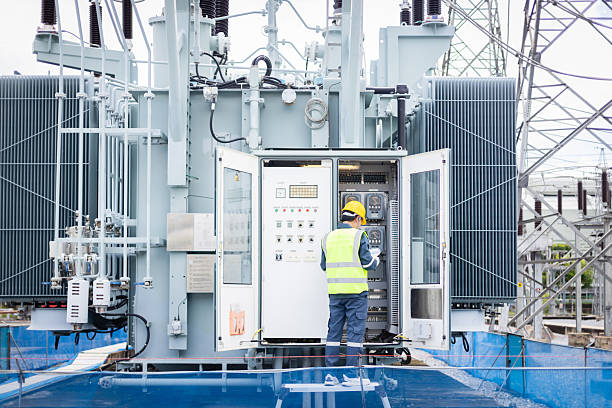
Rwanda’s Gisagara peat power plant is producing only 30MW to 35MW, less than half its designed 70MW capacity, because it lacks enough peat to keep generating during the rainy season.
The Hakan Power Plant, in Mamba Sector of Gisagara District, started supplying electricity to Rwanda’s national grid in 2021 after construction began in 2017. Its output has been limited by the amount of peat available for extraction and the difficulty of mining it when heavy rains raise water levels in the extraction area.
Minister of Infrastructure Damien Murwanashyaka said the plant needs 2,191 tonnes of peat each day but currently extracts only about 600 tonnes.
The shortage has left the facility unable to operate at its designed level. Peat extraction stops when the rains come because the fuel is not stored in sufficient quantities during the dry season.
“This plant was designed to produce 70 megawatts. However, because peat can only be mined during the dry season and no adequate stockpiles are prepared for the rainy season, mining stops when the rains come. The plant is producing only between 30MW and 35MW,” Murwanashyaka said.
Peat storage seen as answer
The government is reviewing a proposal from an investor who wants to extract large amounts of peat during the dry season and store it for use during the rains.
Murwanashyaka said the proposal could allow the plant to continue generating electricity without interruption throughout the year.
“What I want to reassure everyone is that we have an investor who has proposed a solution. The proposal is currently under review by the government. The investor would extract enough peat during the dry season so that, instead of slowing down during the rainy season, the power plant can continue operating without interruption,” the minister said.
The plant needs about 1.2 million cubic metres of peat to maintain a continuous supply. The proposed storage system would therefore allow fuel extracted in dry months to be used when rain prevents mining.
The shortage is not simply a question of how much peat exists. Flooding has made extraction difficult in the area around the plant.
Plant management has repeatedly identified flooding near the extraction site as a major disruption. Rising water levels in the Akanyaru River have affected peat deposits and made mining harder during the rainy season.
Murwanashyaka said climate change has affected the river over the past four years. Its water level, which was initially recorded at 3.5 metres, has risen to 4.9 metres.
Floodwater washes away some peat deposits and leaves others soaked with water. This makes it difficult to extract the fuel during the rainy season.
Rwanda has large peat reserves
The plant currently extracts peat from about 300 hectares. Its management says the area needs to expand to about 800 hectares to meet its production goal.
Studies cited by plant managers indicate that the Rwabusoro Marshland in Gisagara District, Southern Province, has enough peat resources to sustain the plant for 30 years.
Rwanda has about 155 million tonnes of peat reserves spread across 50,000 hectares, according to the data provided.
The shortage at Gisagara has already come with a financial estimate. At the end of 2025, Hakan Power Plant management said about $25 million was needed to address the problems stopping the facility from reaching full production.
The proposed dry-season stockpiling system is now before the government for review. Its purpose is to ensure that the plant has enough fuel when rain prevents peat extraction.
Related Stories



Sign up for our newsletter.
Get the latest news, expert analysis, and industry insights delivered straight to your inbox. Join thousands of professionals shaping the future of energy.
By submitting my information, I agree to the Privacy Policy and Terms of Service.