Power
Sudan Waives Solar Import Duties After Merowe Power Failure
Customs exemption could lower the cost of solar equipment for homes, businesses and investors as Sudan battles severe electricity shortages.
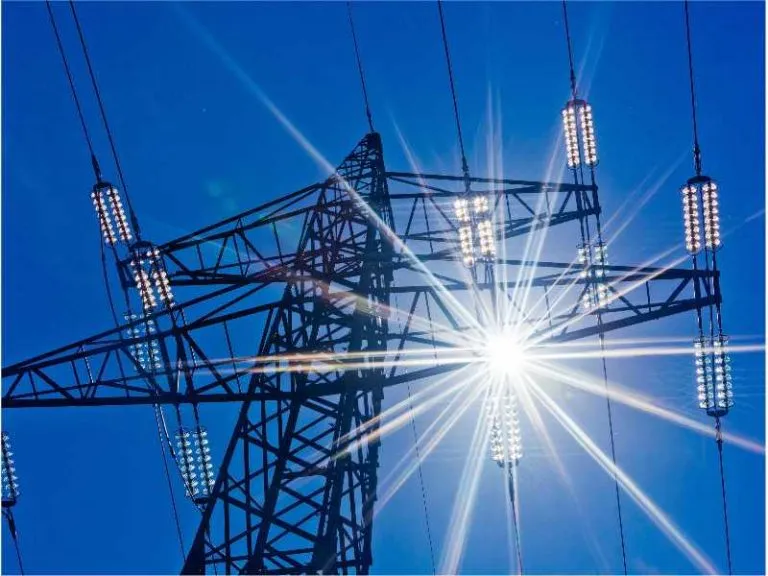
Sudan has scrapped customs duties on solar photovoltaic systems after a fire damaged transmission lines connected to the Merowe Dam, leaving several states with severe power cuts.
The Sudanese Customs Forces under the Ministry of Interior confirmed the exemption as authorities seek cheaper alternatives for homes, businesses and investors facing unreliable electricity.
The policy gives imported solar equipment full relief from customs duties. It comes after the fire disrupted electricity supplies across Khartoum, Northern, River Nile and Red Sea states, affecting daily activities and business operations.
Solar becomes cheaper option after major grid failure
The decision places solar power in a new position in Sudan's response to the electricity shortage. By removing customs duties, the authorities are seeking to lower the cost of bringing solar systems into the country at a time when access to electricity has become difficult.
The disruption began after a fire damaged important transmission lines connected to the Merowe Dam hydroelectric plant. The facility, located on the River Nile in northern Sudan, has a capacity of 1.25 gigawatts and supplies nearly two-thirds of Sudan's hydroelectric generation capacity.
The damage affected power supplies in four states. Khartoum, Northern, River Nile and Red Sea states experienced outages, leaving households and businesses with disrupted electricity services.
The Ministry of Energy and Petroleum responded by sending technical teams to inspect the damage, repair the affected infrastructure and investigate the cause of the fire.
Authorities also reconnected thermal power generation units to the national grid. The action restored electricity to critical facilities and some residential areas as the country dealt with the shortage.
Replacement equipment for the damaged hydroelectric infrastructure has also been ordered. The equipment is expected to support the restoration of the affected system.
The customs decision comes against the background of high costs linked to imported renewable energy equipment. The cost of bringing such products into Sudan had become a major issue during the prolonged electricity shortage.
Before the new exemption, authorities had defended inspection and technical fees attached to renewable energy equipment. Those charges were presented as necessary to stop low-quality products from entering the market.
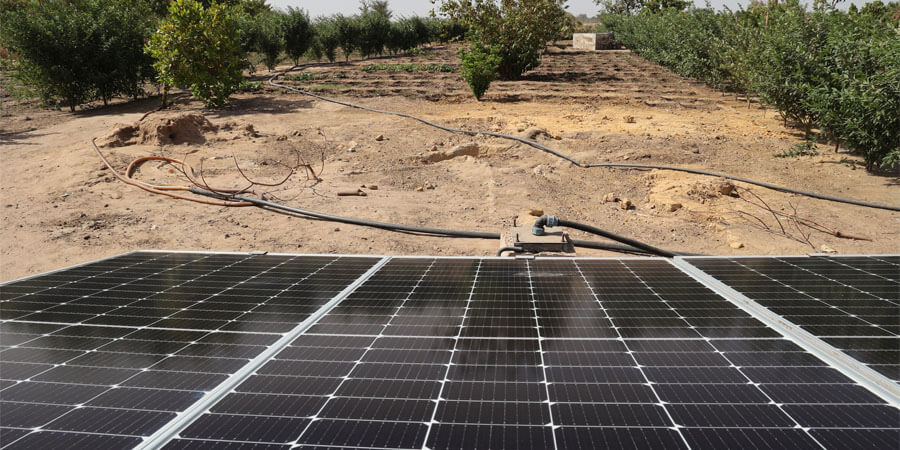
The full customs exemption now removes one part of the cost faced by people importing solar photovoltaic systems. Solar photovoltaic systems use sunlight to produce electricity through solar panels.
For households, businesses and investors, the policy could make it easier to bring solar equipment into Sudan. The measure is also intended to support the spread of smaller solar installations that can operate outside the country's central electricity system.
The policy also comes as Sudan deals with the limits of relying heavily on major power facilities. The damage to transmission lines connected to Merowe showed how a problem affecting important electricity infrastructure can leave several states without normal power supplies.
Solar installations can provide electricity at individual homes, businesses and other locations. The policy therefore places greater emphasis on power sources that can be installed in separate locations across the country.
The authorities also expect greater use of solar power to reduce dependence on hydroelectric infrastructure and diesel generators. Diesel generators have been used as an alternative source of electricity during shortages.
The customs exemption, for Sudan, therefore combines immediate relief on the cost of imported solar equipment with a plan to expand access to alternative electricity sources.
The country's electricity situation is still tied to the repair of the damaged hydroelectric infrastructure. Technical teams are working on the affected system, thermal units have been reconnected to the grid, and replacement equipment has been ordered.
The customs exemption gives households, businesses and investors another option as those repairs continue. It also gives solar equipment a lower-cost entry into a country dealing with serious interruptions to its electricity supply.
Related Stories

Sign up for our newsletter.
Get the latest news, expert analysis, and industry insights delivered straight to your inbox. Join thousands of professionals shaping the future of energy.
By submitting my information, I agree to the Privacy Policy and Terms of Service.