Renewables |Power
Rwanda to Pay $7m Compensation for Rusizi III Hydropower Project
Rwanda's $7m compensation plan for Rusizi III marks progress on a regional hydropower project projected to expand clean electricity supply across three African countries.
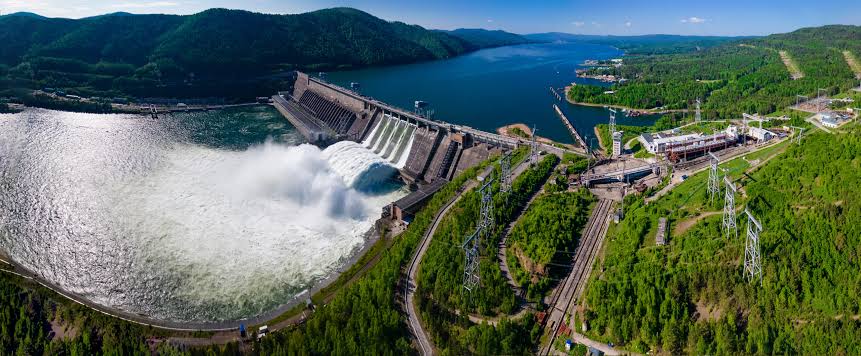
Rwanda is set to pay about $7 million in compensation to households affected by the $800 million Rusizi III Regional Hydropower Project, as preparations advance for construction of the 206-megawatt plant projected to expand electricity supply across Rwanda, Burundi and the Democratic Republic of the Congo (DRC).
About 1,232 households in Rwanda are eligible for compensation covering land, homes and other assets acquired for the hydropower project and associated infrastructure, according to Ruzizi III Energy Limited.
The compensation agreement signing exercise began on 20 July 2026, starting in Nzahaha Sector in Rusizi District before moving to Bugarama Sector. Payments will be made after affected households complete the signing process.
The wider Resettlement Action Plan (RAP) for Rwanda and the DRC is estimated at about $21 million, with roughly $7 million earmarked for affected households on the Rwandan side.
The exercise covers people whose land and assets were inventoried during a valuation exercise conducted in September 2025 and whose names appeared on the official list published following the 8 June 2026 cut-off date.
A cut-off date establishes the point beyond which newly created structures or other assets on land earmarked for a project are not considered eligible for compensation. The measure is intended to prevent the creation of additional claims after project-affected properties have been assessed.
Compensation process begins in Rwanda
The signing exercise began at Groupe Scolaire Ruhoko in Murya Cell, Nzahaha Sector. The date for Bugarama Sector, where the process will be held at Groupe Scolaire St Paul, will be announced after the Nzahaha exercise concludes.
Affected persons will be notified at least three days before their scheduled appointment and will have an opportunity to review the compensation agreement, verify the assets recorded during the valuation process and confirm the amount payable before signing.
Project officials require legally married couples to attend together to sign compensation documents. Beneficiaries must also present identification and relevant supporting documents, including national identity cards, land titles, marriage or widow certificates and, where applicable, certificates of single status.
The compensation process is a significant milestone for the regional project because resettlement and compensation are key prerequisites for advancing major infrastructure developments while protecting the rights of communities whose land and assets are affected. The process also provides a formal mechanism for affected households to verify the basis of their compensation before construction activities intensify.
According to Mohsin Tahir, Project Director at Ruzizi III Energy Limited, the project is projected to serve about 30 million people, including communities with limited access to electricity.
He explained that once commissioned, the project will nearly double Burundi's installed electricity generation capacity, raise Rwanda's renewable energy capacity by almost 30 per cent and provide renewable baseload electricity to eastern DRC.
The project also includes a Local Area Development Plan aimed at supporting communities around the project area.
Tahir disclosed that lenders are working towards providing up to $30 million to finance the development plan, with $10 million earmarked for each of the three participating countries.
The 206MW Rusizi III project will strengthen regional electricity supply by adding renewable generation capacity to the interconnected power systems of Rwanda, Burundi and the DRC. Its progress is therefore being closely watched as the three countries seek to expand electricity access and improve the reliability of power supply.
Excluding its generation capacity, the project's regional structure means its impact will extend across national borders, making the compensation and resettlement process an important step towards delivering one of the region's major planned renewable energy projects.
Related Stories

Sign up for our newsletter.
Get the latest news, expert analysis, and industry insights delivered straight to your inbox. Join thousands of professionals shaping the future of energy.
By submitting my information, I agree to the Privacy Policy and Terms of Service.