Power
Nigeria: Lagos Power Regulator Denies Debt Amnesty Under New Billing Rule
Lagos' Proposed 12-month electricity billing rule will not cancel old debts but seeks to curb delayed billing, strengthen consumer protection and improve market accountability.
The Lagos State Electricity Regulatory Commission (LASERC), the power market regulator for Nigeria's commercial hub, has clarified that its proposed 12-month electricity billing rule will not cancel existing debts.
The commission explained that the proposed rule, contained in its draft Retail Electricity Supply Code, is intended to prevent electricity suppliers from delaying bills indefinitely, rather than to wipe out outstanding customer obligations.
Under the proposed framework, electricity distribution companies (DisCos) and other suppliers would be required to issue bills within 12 months of consumption. However, electricity debts incurred before the new Code takes effect will remain valid and payable under existing laws and contractual obligations.
The clarification follows media reports that interpreted the proposed back-billing provision as an automatic write-off of electricity debts that are more than 12 months old.
LASERC emphasised that the rule has not yet taken effect and will only apply when the new Retail Electricity Supply Code becomes operational. It added that bills issued within the stipulated period would remain valid and recoverable.
The distinction is significant for electricity consumers and suppliers because the proposed rule changes how future billing disputes and delayed invoices may be handled, but does not provide a blanket amnesty for historical debts. Consumers therefore remain liable for electricity they have already consumed, while suppliers would face greater pressure to bill customers promptly.
Rule seeks to Improve billing accountability
LASERC Chief Executive Officer, Temitope George, explained that the proposed Code is designed to strengthen accountability between electricity suppliers and consumers and establish clearer rules for the retail electricity market.
She stressed that limiting back-billing to 12 months would create a regulatory incentive for distribution licensees to issue bills promptly and maintain predictable billing practices, while outstanding historical debts would still have to be settled.
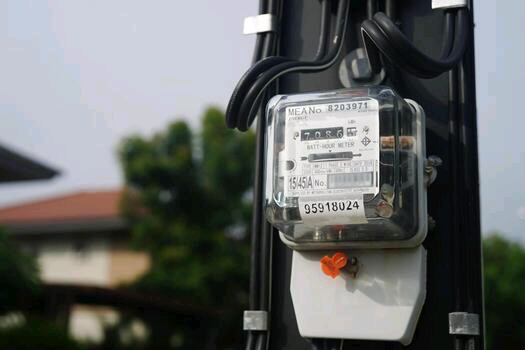
The commission also reiterated that distribution licensees are legally required to meter all eligible consumers within timelines set by the regulator.
The proposed Code forms part of wider reforms by LASERC to improve billing transparency and strengthen confidence in Lagos' electricity market. The reforms are also intended to support the development of a safer, more reliable, affordable and sustainable electricity system in the state.
For consumers, the proposed framework could provide greater protection against prolonged billing delays and unexpected retrospective charges. For electricity suppliers, it reinforces the need for timely billing and stronger administrative systems, without removing their right to recover legitimate debts accrued under the existing regulatory framework.
Related Stories


Sign up for our newsletter.
Get the latest news, expert analysis, and industry insights delivered straight to your inbox. Join thousands of professionals shaping the future of energy.
By submitting my information, I agree to the Privacy Policy and Terms of Service.