Power
S. Africa’s Power System Remains Stable, Plant Performance Improves - Eskom
South Africa’s state-owned utility Eskom said the national power system remains stable, supported by improved generation performance, higher plant availability, and a sustained decline in unplanned outages. The utility reported lower diesel use, increased capacity availability, and continued progress in reducing load shedding, although challenges linked to illegal connections and infrastructure damage persist.
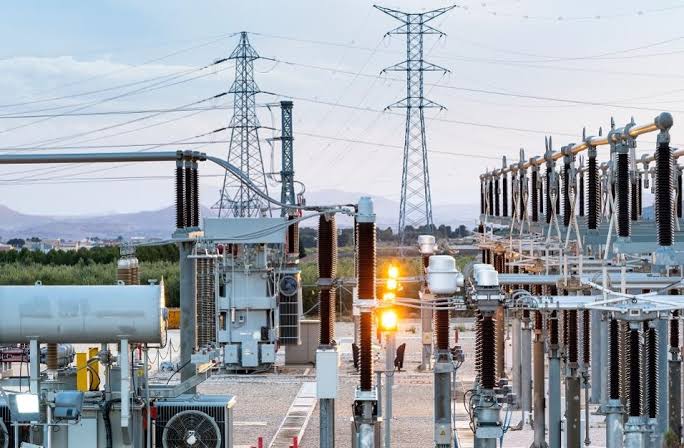
South Africa’s state-owned electricity utility, Eskom (Electricity Supply Commission), reported that the national power system remained stable, supported by improved generation performance, higher plant availability and a sustained decline in unplanned outages.
In a power system update released on Friday, January 23, 2026, as seen by African Energy Pulse (AEP), the utility reported that the Energy Availability Factor (EAF) increased to 64.79% year to date, with the generation fleet reaching or exceeding the 70% level on 55 occasions, based on unaudited figures.
Both units at the Koeberg nuclear power station have returned to full capacity following the clearance of a 132kV transmission line fault earlier in the week. Unit 1 and Unit 2 are now operating at 941MW and 950MW, respectively.
Between 16 and 22 January, average unplanned outages declined to 8,067MW, compared with 13,390MW during the same period last year, representing an improvement of 5,323MW. Over the same period, the Unplanned Capacity Loss Factor fell to 16.63%, down from 27.89% a year earlier.
Improved plant performance has reduced reliance on diesel-fired open-cycle gas turbines, with no diesel usage recorded for a fifth consecutive week. Diesel expenditure is now R3.63 billion lower than at the same point last year.
South Africa has recorded 252 consecutive days without an interrupted electricity supply, with only 26 hours of load shedding recorded during April and May 2025 in the current financial year.
Looking ahead, 2,320MW of generation capacity is expected to come online ahead of the evening peak on January 26, with available capacity forecast at 27,532MW, exceeding projected demand of 22,601MW.
Despite the improved system outlook, the utility noted that illegal connections and meter tampering continue to damage infrastructure and pose safety risks. Load reduction remains in place in high-risk areas, while a phased programme to eliminate load reduction by 2027 is underway.
As part of this programme, 267,017 smart meters have been installed nationwide, with about one-third deployed on load-reduction feeders. To date, 84 feeders have been removed from load reduction, benefiting an estimated 107,927 customers.
Related Stories


Sign up for our newsletter.
Get the latest news, expert analysis, and industry insights delivered straight to your inbox. Join thousands of professionals shaping the future of energy.
By submitting my information, I agree to the Privacy Policy and Terms of Service.