Oil & Gas
Senegal Hikes Fuel Prices as Subsidy Bill Mounts
Senegal’s latest fuel-price increase shows how costly it is becoming for the government to shield consumers from global oil shocks, even as domestic oil production grows
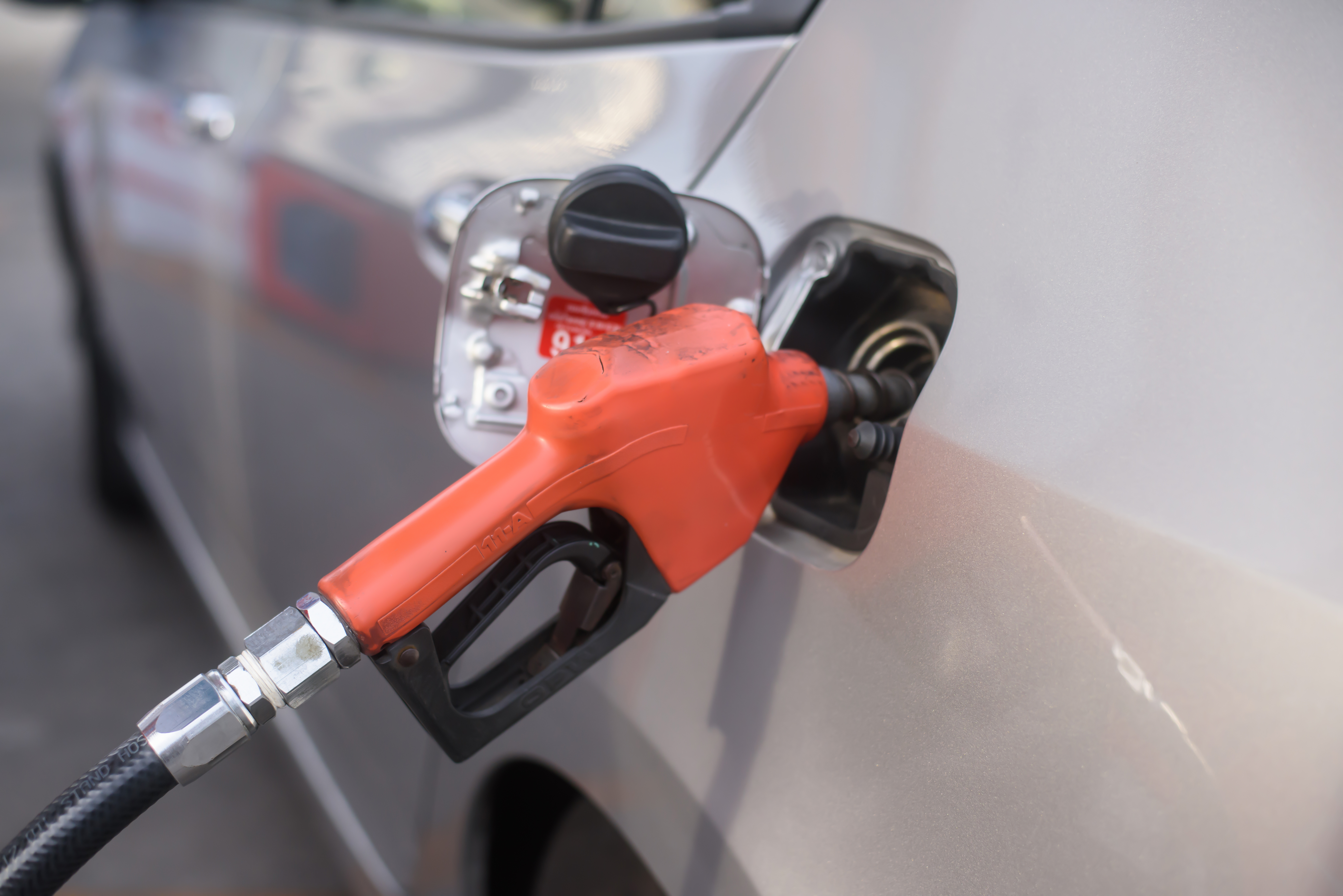
Senegal has increased the prices of gasoline and diesel as the government tries to rein in the rising cost of fuel subsidies amid higher international oil prices.
Premium gasoline now costs 990 CFA francs ($1.70) a litre, up from 920 CFA francs, while diesel has risen from 680 CFA francs to 755 CFA francs a litre.
The new prices were announced on August 14 by the Prime Minister’s Office and took effect on August 15.
On its effect for motorists, transport operators and businesses, the increase means higher fuel bills at a time when many are already dealing with rising operating and living costs.
The government, however, says it can no longer continue absorbing the full increase in the cost of imported petroleum products.
Since the beginning of the year, fuel subsidies have cost the government more than 245 billion CFA francs. Without the latest adjustment, the government estimated that it would have had to spend another 47.27 billion CFA francs on subsidies between August 15 and September 12.
Global oil prices are putting Dakar under pressure
The aforementioned increase is closely tied to what is happening in the international oil market.
Senegal relies heavily on imported petroleum products, leaving local fuel prices exposed to movements in crude oil and refined-product markets.
The government said international prices for diesel and premium gasoline have risen by 69% and 61%, respectively, since the start of the conflict, pushing up the cost of supplying the Senegalese market.
That leaves the government with a difficult choice. Keeping prices low protects consumers but requires the state to spend more on subsidies. Raising prices reduces that burden but passes more of the cost on to households and businesses.
The immediate concern is that more expensive fuel could work its way into transport fares and the cost of moving goods, putting further pressure on household budgets.
Sangomar oil is growing, but consumers remain exposed
Senegal is also entering a new phase as an oil-producing country, with production from the offshore Sangomar field beginning in 2024.
The field produced about 16.9 million barrels of crude in its first year of operation, while production is targeted at around 100,000 barrels per day.
That output is expected to strengthen government revenues and increase the importance of oil and gas to the Senegalese economy.
But the rise in domestic crude production has not yet insulated Senegalese consumers from movements in international fuel prices. Producing crude does not automatically mean that gasoline and diesel sold locally will become cheaper.
The country still has to deal with the cost of refining, importing and distributing petroleum products, as well as the wider pricing structure of its fuel market.
The bigger question is now how to turn its growing oil production into a stronger energy position without continuing to place a heavy burden on public finances for Senegal.
The development shows that, global oil-market shocks are still reaching Senegalese consumers despite the country's emergence as an oil producer.
Related Stories

Sign up for our newsletter.
Get the latest news, expert analysis, and industry insights delivered straight to your inbox. Join thousands of professionals shaping the future of energy.
By submitting my information, I agree to the Privacy Policy and Terms of Service.