Oil & Gas
Kenya Cuts Diesel Prices, Keeps Petrol and Kerosene Prices Unchanged
Kenya’s latest fuel review gives diesel users modest relief while government support shields petrol and kerosene consumers from higher import costs, spotlighting the state’s role in managing global oil-price shocks.
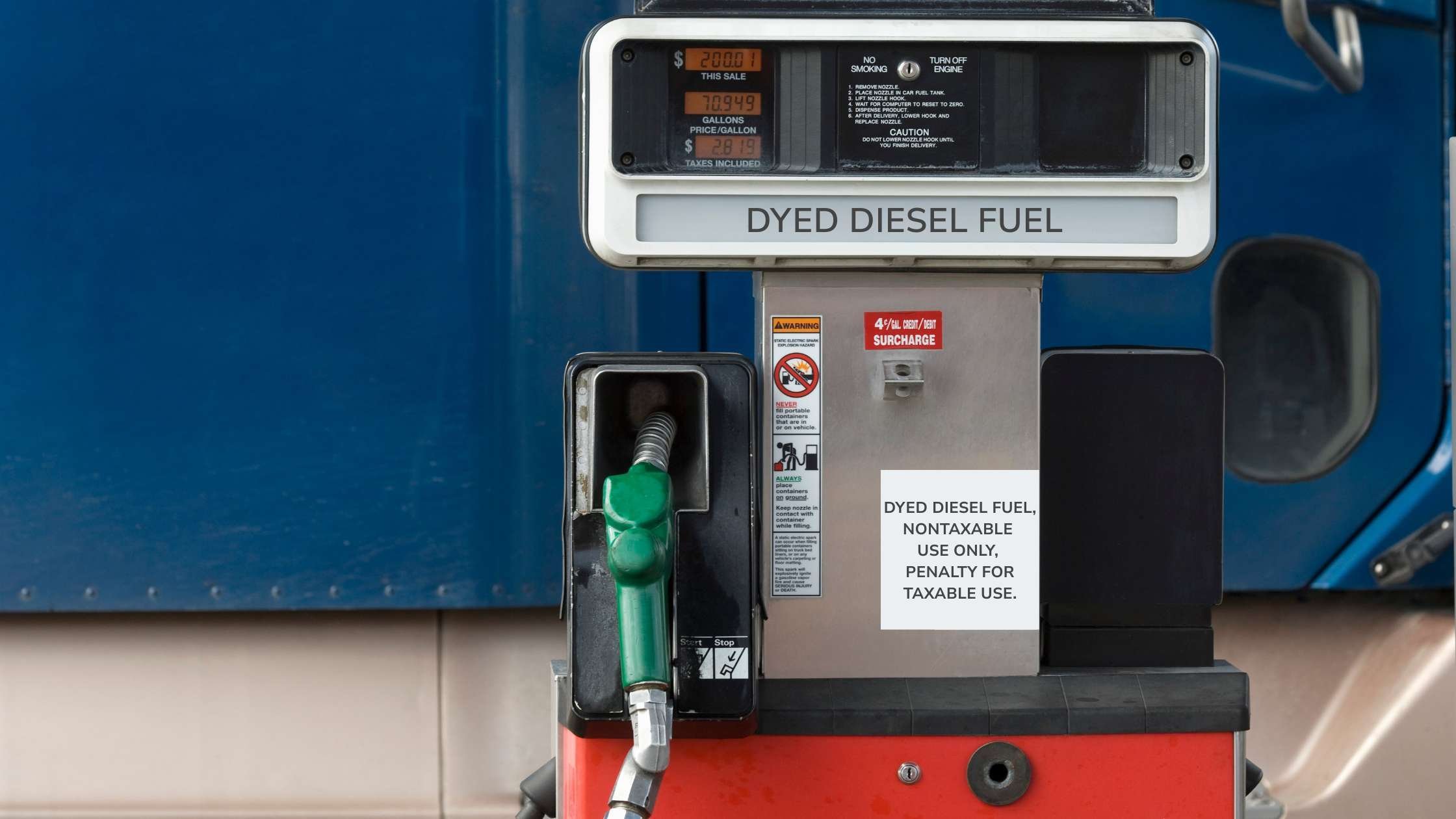
Kenya has reduced the maximum retail price of diesel by Sh5.00 per litre for the August 15 to September 14, 2026 pricing cycle, while keeping super petrol and kerosene prices unchanged.
The Energy and Petroleum Regulatory Authority (EPRA) said the diesel reduction would provide some relief to transport operators and other businesses that rely heavily on the fuel, while government stabilisation support helped prevent increases in petrol and kerosene prices.
In Nairobi, the maximum prices for the new cycle are Sh214.03 per litre for super petrol, Sh217.86 for diesel and Sh191.38 for kerosene.
EPRA disclosed that about Sh938 million in government stabilisation support was used to keep super petrol and kerosene prices unchanged.
Diesel users get relief as government cushions wider fuel costs
The adjustment comes as Kenya continues to manage the impact of international oil prices, shipping costs, exchange-rate movements and other factors that feed into the cost of imported petroleum products.
EPRA determines maximum retail prices each month under the Petroleum Act 2019 and the applicable regulatory framework, using the landed cost of petroleum products among the factors in its calculation.
The Sh5 reduction in diesel provides limited relief rather than insulating consumers from external market pressures. Diesel remains particularly important to Kenya's transport, logistics, agriculture and commercial sectors, meaning changes in its price can eventually affect the cost of moving goods and providing services.
Keeping petrol and kerosene unchanged, meanwhile, limits an immediate increase in costs for motorists and households.
The decision also illustrates the balancing act facing the government. Stabilisation support can protect consumers from sudden fuel-price increases, but maintaining that support comes at a fiscal cost, particularly when international oil and shipping markets remain volatile.
On its significance for Kenya, the broader issue is its exposure to imported petroleum. Global supply disruptions or geopolitical tensions can quickly feed into domestic fuel costs, transport expenses and inflation. The aforementioned price review shows how government intervention can soften those shocks, but cannot remove the underlying exposure.
Related Stories



Sign up for our newsletter.
Get the latest news, expert analysis, and industry insights delivered straight to your inbox. Join thousands of professionals shaping the future of energy.
By submitting my information, I agree to the Privacy Policy and Terms of Service.