Power |Policy & Governance |Renewables
Sudan Expands Solar Mini-Grid Push to Improve Rural Electricity Access
Sudan is scaling solar mini-grids to expand electricity access in rural communities, reduce diesel dependence and attract private investment into off-grid clean energy systems as part of a broader push for reliable and affordable power.
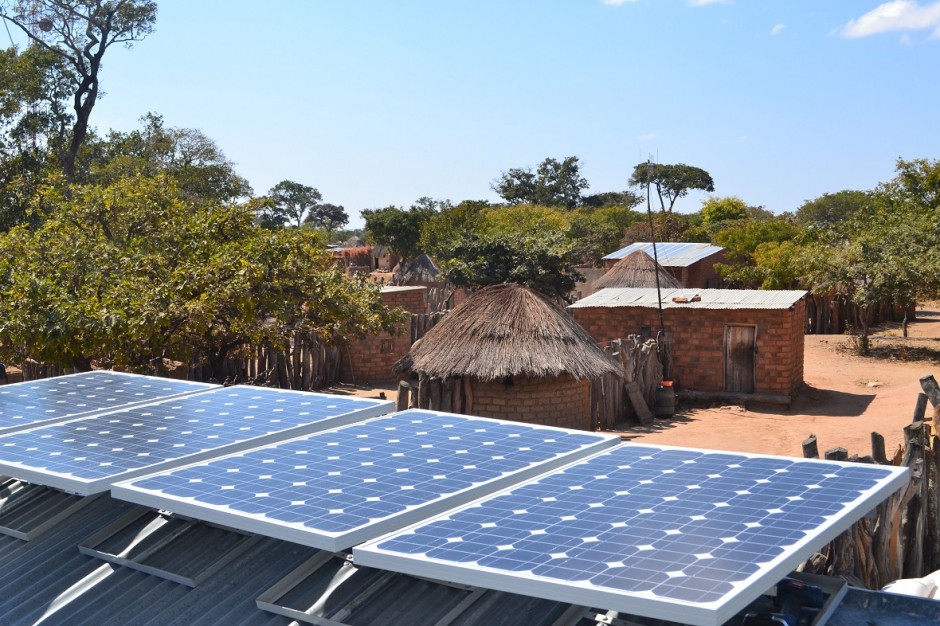
Sudan is advancing the deployment of solar mini-grids as part of efforts to expand reliable electricity supply to underserved rural and peri-urban communities, where access to power remains among the lowest in the region.
Millions of households, small businesses and public institutions in the country still rely on diesel generators, which are costly, polluting and often unreliable due to fuel shortages and price volatility. Nearly one-third of the population lacks access to electricity, particularly outside major urban centres.
To address the gap, Sudan’s Ministry of Energy and Petroleum is implementing a renewable energy mini-grid programme supported by the Global Environment Facility (GEF) and the United Nations Development Programme (UNDP).The initiative, running from 2022 to 2026 with an estimated budget of about $2.9 million, targets off-grid and underserved rural communities.
The programme focuses on improving the financial viability of mini-grids and creating conditions for greater private-sector participation. It includes efforts to introduce simplified registration procedures and regulatory frameworks for low-voltage mini-grids, aimed at lowering entry barriers for investors while protecting consumers and ensuring service standards.
Capacity development is another key component. Government agencies, utilities and private operators are receiving technical training to strengthen planning, deployment and regulation of mini-grid systems. A digital platform is also being developed to enhance data collection, monitoring and transparency across the sector.
As part of the rollout, at least two existing diesel-powered off-grid stations will be retrofitted into solar photovoltaic hybrid mini-grids, integrating battery storage to reduce diesel consumption and operating costs. The project targets the installation of about 2 MW of solar PV capacity and roughly 6.9 MWh of battery storage.
Authorities expect the initiative to directly benefit around 144,000 people by providing electricity to homes, schools, health centres and small businesses, while supporting local economic activity and lowering greenhouse-gas emissions.
Related Stories



Sign up for our newsletter.
Get the latest news, expert analysis, and industry insights delivered straight to your inbox. Join thousands of professionals shaping the future of energy.
By submitting my information, I agree to the Privacy Policy and Terms of Service.