Oil & Gas
Sudan Stations Hoard Fuel ahead of Expected Price Rise
Allegations that Sudanese fuel stations are hoarding stock ahead of price hikes point to a deeper breakdown in trust between citizens and suppliers amid economic crisis.
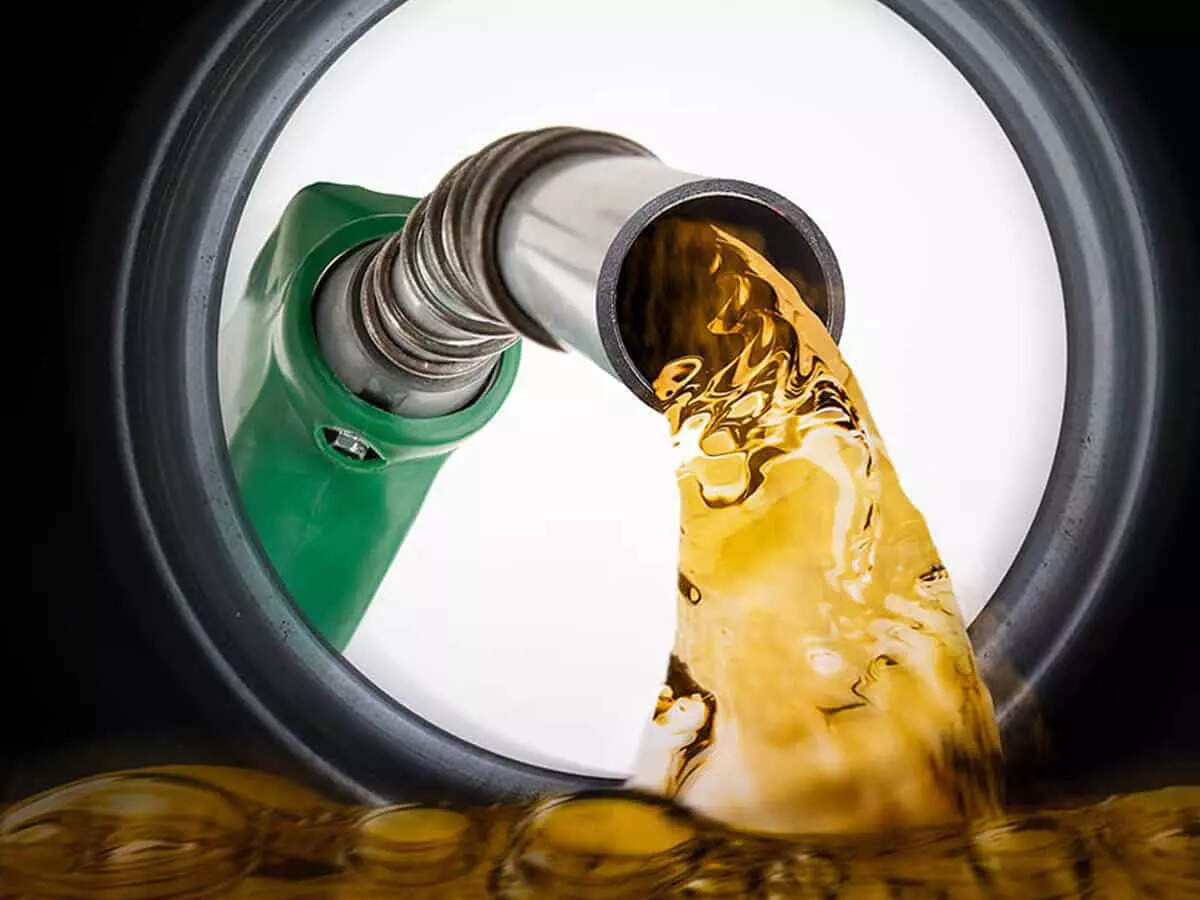
Filling stations across Khartoum have stopped selling petrol and diesel, with residents alleging owners are holding back stock until an anticipated increase in fuel prices takes effect, deepening a shortage that has forced some Sudanese to queue for up to 12 hours or turn to the black market.
A Khartoum resident told Radio Dabanga the latest crisis began after reports emerged of an expected rise in the customs dollar, the exchange rate used to calculate import duties, and in fuel prices more broadly.
He said several stations had stopped selling fuel altogether, alleging that some owners were keeping stock in their tanks specifically to sell it later at the higher, post-increase price.
"The fuel is inside the station, but once it is known that there is an expected increase, some stations close, and after the release of the new pricing, the same fuel stored is sold at the new price," he said.
Shortages have become a near-monthly pattern
The resident said shortages have affected both petrol and diesel across Khartoum, with the expected price increase potentially reaching SDG5,000 to SDG6,000 per gallon.
He described fuel shortages and long queues as having become almost monthly occurrences, with some crises lasting more than a week and, in some cases, close to nine days before being resolved. "The citizen spends a large part of the month looking for fuel and moving between stations," he said.
With official supply unreliable, residents are increasingly choosing between waiting for hours at stations or paying inflated prices on the black market. "The citizen may stand 12 hours in line, or buy from the black market at a higher price," he said.
Rising costs are compounding an already difficult picture
The fuel crisis is unfolding alongside a broader rise in the cost of living across Sudan, driven in part by a weakening Sudanese pound.
In White Nile State, the State Council for the Organisation and Development of Public Transport approved a new fuel price structure, setting a gallon of petrol at SDG38,805 in Kosti, Rabak, El Guteina and Ed Duweim localities, and recommending an additional SDG20 per gallon in transport costs across several towns.
For households already stretched thin, fuel price increases tend to ripple quickly into food costs. Wa'ad Idris, a housewife and mother of four in White Nile State, told Radio Dabanga that cooking oil has risen from about SDG10,000 to SDG19,000, and a bottle of onions from SDG2,000 to SDG7,000, forcing her family to cut its meals from two a day to one.
"A solution must be found to this situation, because it has become unbearable," she said. "The family is no longer able to manage its needs."
Related Stories

Sign up for our newsletter.
Get the latest news, expert analysis, and industry insights delivered straight to your inbox. Join thousands of professionals shaping the future of energy.
By submitting my information, I agree to the Privacy Policy and Terms of Service.